


Why Communication Struggles Are So Common in Relationships

Couples therapy for communication issues helps partners reconnect through practical, evidence-based techniques like active listening, conflict resolution strategies, and understanding each other’s emotional needs.
Quick answers for those searching:
- Common signs of poor communication include feeling like you’re walking on eggshells, having the same arguments repeatedly, emotional withdrawal, criticism, defensiveness, contempt, and stonewalling
- How therapy helps by providing a neutral space to learn new skills, understand each other’s communication styles, and break destructive patterns
- Techniques you’ll learn include active listening, using “I” statements, gentle start-ups, repair attempts, and stress-reducing conversations
- Expected outcomes include stronger emotional connection, better conflict resolution, increased trust, and higher relationship satisfaction
You might know the feeling: a simple conversation suddenly turns into an argument that seems to come out of nowhere. Or the heavy silence when you stop trying to explain yourself because it feels pointless. Maybe you have long arguments in your head that never get spoken aloud, or you tread carefully around certain topics to avoid yet another fight.
Communication rarely breaks in a single moment. It wears down over time. Misunderstandings pile up. Small hurts go unspoken. Emotional distance grows. What once felt like an easy, safe place to share now feels tense or fragile.
This pattern is especially common for expat couples in cities like Barcelona, Valencia, or Madrid, where cultural adjustment, language differences, and social isolation can quietly magnify whatever was already difficult between you.
The hopeful part is that communication is a skill. It can be learned, practised, and improved at any stage of a relationship. Studies consistently show that communication patterns are powerful predictors of relationship satisfaction and stability.
Whether you are dealing with constant conflict, feeling disconnected, or simply want to feel closer again, couples therapy for communication issues offers structured, research-informed tools to help you rebuild your connection.
This guide explores the signs of communication breakdown, core principles of healthy dialogue, practical exercises you can try at home, and how professional therapy can support your relationship.
You will also see how Therapy in Barcelona works with internationals and expats across Spain and online worldwide, so you have a clear sense of what to expect and how to find the support that fits you.
Recognising the Cracks: Signs of Poor Communication in Your Relationship
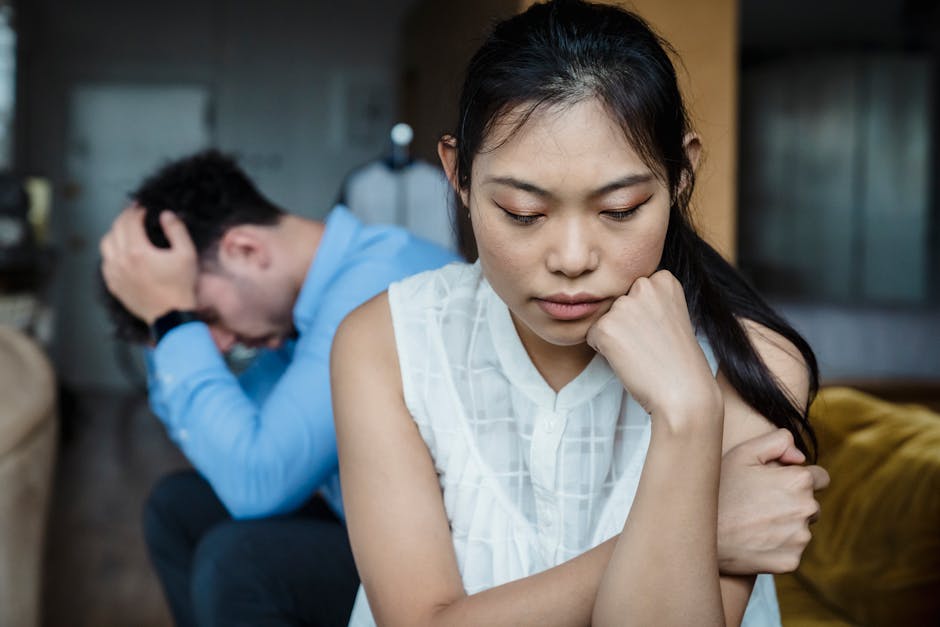
Good communication is the bedrock of any thriving relationship. When it falters, couples often find themselves in a cycle of frustration and loneliness.
Scientific research highlights that communication patterns are powerful predictors of relationship health and longevity, with good communicators having a greater chance of a happier, longer romantic relationship. Conversely, poor communication can lead to misunderstandings, conflicts, and emotional distance, severely impacting relationship quality.
You might be experiencing poor communication if you notice a persistent sense of unease or a lack of genuine connection. It is not always about explosive arguments; sometimes, the most damaging communication issues are subtle, eroding the relationship from within.
The Four Horsemen: Gottman’s Predictors of Relationship Breakdown
One of the most influential frameworks for understanding destructive communication comes from Dr. John Gottman’s extensive research. He identified four communication patterns, which he dubbed “The Four Horsemen of the Apocalypse,” that are highly predictive of relationship failure:
- Criticism versus Complaint: A complaint addresses a specific behaviour, while criticism attacks a person’s character, often leaving them feeling rejected.
- Contempt: Contempt is the most damaging of the Four Horsemen, showing superiority through sarcasm, mockery, disrespect, and hostile behaviour that harms connection.
- Defensiveness and Blame-Shifting: When partners feel attacked, they often become defensive and shift blame, making it harder to listen, understand, and solve problems together.
- Stonewalling or Emotional Shutdown: Stonewalling happens when a partner withdraws emotionally or physically, often feeling overwhelmed. It creates distance and makes resolution difficult.
These patterns are so powerful that their presence in a couple’s communication can predict the end of a relationship with up to 94% accuracy, according to Dr. Gottman’s research. An overview of The Gottman Method details how these patterns are identified and addressed in therapy.
Beyond Arguments: The Subtle Signs of a Communication Breakdown
Communication issues extend beyond overt conflict. Often, the quieter, more insidious signs indicate a deeper problem:
- Feeling like you’re walking on eggshells: You might hesitate to bring up certain topics or express your true feelings for fear of your partner’s reaction, leading to suppressed emotions and resentment.
- Avoiding difficult topics: Rather than addressing issues head-on, you might sweep them under the carpet, hoping they will disappear. This only leads to an accumulation of unresolved issues.
- A decline in physical affection and intimacy: As emotional distance grows, physical intimacy often suffers. When partners feel disconnected emotionally, physical closeness can become less frequent or less fulfilling.
- Living parallel lives instead of a shared one: You may find yourselves coexisting rather than connecting, with separate lives and little shared meaning—especially as expats building new social circles abroad.
- Having arguments in your head that are never spoken aloud: You might replay scenarios, rehearse arguments, or harbour grievances internally without ever bringing them to your partner’s attention. This prevents resolution and fosters resentment.
Recognising these cracks is the first step towards healing. For many expat couples, the unique stressors of living abroad can exacerbate these communication breakdowns, making it vital to address them proactively.
Building Bridges: Core Principles and At-Home Exercises for Better Communication

Improving communication does not happen overnight, but it is a skill that can be learned and honed. By understanding core principles and consistently applying practical exercises, you can start building stronger bridges of understanding with your partner. These principles create a foundation where both partners feel heard, valued, and understood.
Foundational Skills You Can Practise Today
- Active Listening to Understand, Not Just to Reply: Give your partner your full attention, listen without interrupting, and reflect back what you hear to show understanding.
- Using “I” Statements to Express Feelings Without Blame:Using “I” statements instead of accusations can turn defensive conversations into open ones by expressing feelings and needs clearly. Studies on the benefits of “I” language show that it reduces the likelihood of explosive confrontations and deepens connection.
- The Importance of a Warm Tone and Open Body Language: Communication is only partly verbal. Your tone of voice, facial expressions, and body language convey a wealth of information. Maintain soft tones, open posture, and make eye contact to signal receptiveness and emotional safety.
- Empathy and Validation: Empathy and validation strengthen connection by showing your partner that their feelings are understood and respected, even when you see things differently.
At-Home Communication Exercises for Couples
Integrating intentional practices into your daily routine can significantly improve your communication. Here are some exercises you can try at home:
- The Stress-Reducing Conversation: Set aside 20 minutes daily to share external stress without trying to fix it. Listen, validate, and support each other to strengthen your bond.
- Weekly “State of the Union” Check-ins: Set aside regular time each week to discuss your relationship, share feelings, show appreciation, and reconnect.
- The Speaker-Listener Technique: One partner speaks while the other listens and summarises without interrupting. Switching roles encourages understanding and reduces misunderstandings.
- Expressing Appreciation and Gratitude Daily: Regularly express appreciation for your partner. Small, sincere gestures of gratitude build positivity and strengthen connection.
- The Reminiscing Exercise: Revisit old memories through photos and stories to reconnect, celebrate your relationship, and strengthen your shared history.
These exercises, when practised consistently, can create a more open, empathetic, and resilient communication dynamic, even amidst the challenges of expat life in Zaragoza or Sevilla.
The Role of Professional Help: How Couples Therapy for Communication Issues Works
At-home exercises can shift a lot, but some communication patterns are so entrenched, painful, or confusing that you need a neutral professional to help you untangle them. In these situations, couples therapy for communication issues offers a calm, structured space with a trained therapist who is not taking sides.
In therapy, you learn tailored techniques to improve communication, understand each other’s backgrounds, and uncover the patterns behind recurring conflicts.
What to expect in couples therapy for communication issues
When you start couples therapy for communication issues, you can expect a clear, step-by-step process:
- An initial assessment to understand your unique dynamic: Therapists begin with an in-depth assessment of your relationship, communication patterns, backgrounds, and stressors to tailor support for your needs.
- Collaboratively setting goals for your relationship: Therapy works best when you know what you are working towards. Together with your therapist, you might set goals such as reducing the intensity of conflicts, feeling safer to be vulnerable, or rebuilding trust and intimacy.
- Learning and practising new communication skills in-session: You learn and practise communication tools like active listening, “I” statements, and conflict repair with therapist guidance.
- A focus on creating a “we” team: Rather than deciding who is right or wrong, therapy focuses on how the two of you, together, can shift the pattern. The aim is to move from “me versus you” to “us versus the problem”.
At Therapy in Barcelona, our couples counselling services are designed around this kind of structured, compassionate support. We are a trusted group practice in Spain, established in 2011, and all our therapists are psychology-trained and offer their services as therapists here.
Many of us are expats ourselves, so we are mindful of cultural differences, language challenges, and the particular pressures of living abroad in places like Barcelona, Málaga, or Gran Canaria.
We also know we are not the only option. You might be considering clinicians in the public health system, large online therapy platforms, or other local practices in cities such as Valencia or Madrid. These can be good routes for many people.
Therapy in Barcelona is different in a few specific ways: we offer bespoke therapist matching rather than a random allocation, we specialise in expat and international experiences, we work in English and other languages (including German, French, Spanish, Afrikaans, Portuguese, Austrian-German and Swiss-German), and we commit to strict privacy with no data selling.
We are a private-pay service, and some of our therapists can offer sliding scale fees depending on need.
We support couples worldwide online, including the USA and Canada, with in-person sessions available at our Barcelona office.
Therapeutic Techniques Used to Improve Communication
Several evidence-based approaches are common in couples therapy for communication issues, each offering a different route towards safer, clearer conversations:
- The Gottman Method and the Sound Relationship House: The Gottman Method helps couples identify harmful patterns, strengthen friendship, and build healthier communication habits.
- Emotionally Focused Therapy (EFT) to strengthen emotional bonds: EFT helps couples understand emotional patterns, express deeper needs, and build stronger, more secure connections.
- Imago Relationship Therapy to foster mutual understanding: Imago therapy helps couples understand how past experiences influence reactions and use structured dialogue to build empathy and connection.
- Cognitive Behavioural Therapy (CBT) to change negative thought patterns: CBT principles help couples notice unhelpful thoughts like “They never listen to me” or “This always ends badly”, and experiment with more balanced, realistic ways of thinking and responding.
At Therapy in Barcelona, our therapists draw from multiple evidence-based approaches to tailor support to each couple’s needs.
Why Professional Help is Different from Self-Help
Self-help books, podcasts, and online resources can be very useful. But when communication has been painful for a long time, or when there is a lot of hurt, they are often not enough on their own.
A trained couples therapist offers:
- Neutrality and objectivity: They are not on either partner’s side. This can make it easier to say hard things and to hear feedback without shutting down. They can also slow conversations down when they get heated, and help you both feel heard.
- Expertise in complex issues: Long-standing resentments, affairs, previous trauma, or mental health struggles can all shape how you speak and listen. A qualified therapist has tools to work with these layers in a safe way.
- Guided practice and accountability: It is one thing to read about good communication; it is another to practise it when you are upset. In therapy, you try out new skills with support, and your therapist will gently check in on how things are going between sessions.
- Understanding expat-specific challenges: For expat couples, challenges like visas, career changes, parenting, and distance from support networks can affect relationships. A culturally aware therapist can help you feel understood.
Professional couples therapy does not give you a perfect relationship. But it can help you understand why you get stuck, and give you tools to move towards a more respectful, connected way of being together.
Making the Most of Your Therapy Journey
Starting couples therapy is a real commitment to your relationship. You are saying, “We care enough to try something different.” To get the most from it, both partners need to be as open and engaged as they can be, inside and outside the sessions.
For internationals and expats in cities like Barcelona, Madrid, or Alicante, it can already feel like a lot just to find someone who understands your context. Once you do, how you show up to therapy matters just as much as the therapist’s skills.
How to Prepare for your first couples therapy for communication issues session
A bit of preparation before the first session can help you settle more quickly into the work:
- Discussing your goals as a couple beforehand: Have a calm conversation about what each of you would like to be different in six months’ time. Less arguing? More closeness? Clearer decisions about the future? You do not have to agree on everything, but a shared sense of direction helps.
- Making a list of key recurring issues: Note the arguments or tensions that keep coming back. It might be money, parenting, sex, chores, extended family, or how you spend free time. This gives your therapist a clear starting point.
- Adopting a mindset of curiosity and openness, not blame: Therapy is not a courtroom. Try to come in with questions like “What am I missing about how this feels for you?” rather than “How do I prove I’m right?”.
- Being ready to be vulnerable: Couples therapy creates space for honest conversations that may feel difficult. Your therapist can help you move at a pace that feels manageable.
Choosing the Right Therapist for You as an Expat Couple
Finding a good fit can make the difference between therapy feeling flat and therapy feeling genuinely supportive. As an expat couple, there are a few extra things to keep in mind:
- Cultural sensitivity and shared understanding of the expat experience: Founded by Australian psychologist Leigh Matthews, Therapy in Barcelona was created to help internationals find culturally aware therapy from professionals who understand life abroad.
- Language comfort: We offer therapy in English, with some therapists also speaking German, French, Spanish, Afrikaans, Portuguese, Austrian-German, and Swiss-German, helping you express yourself more comfortably.
- Personalised matching, not one-size-fits-all: Rather than quick matching, we take time to connect you with a therapist whose skills, approach, and background fit your needs.
There are other options too: public system clinicians, local practices in places like Valencia or Zaragoza, and large online platforms that may be more budget-friendly or faster to access. These can be very valuable.
Our edge lies in combining expat-specific cultural understanding, careful therapist matching, multilingual care, and strict respect for your privacy, including no data selling. We work online with clients worldwide, including the USA and Canada, and in person in Barcelona.
If you would like support, you can book a Free Discovery Call to talk through what you are looking for and see whether our couples therapy services feel like a good fit for you both.
Reconnecting, One Conversation at a Time
Communication is not about perfection—it’s about honesty, openness, and repairing when things go wrong. Couples therapy provides guidance to build these skills.
From recognising unhealthy patterns to practising simple connection exercises, small consistent changes can gradually rebuild trust and connection.
Therapy in Barcelona is a psychology practice supporting internationals since 2011. Many of our therapists are expats themselves and understand how culture, language, and life changes can affect relationships.
If you would like support, book a Free Discovery Call. We offer online therapy to couples worldwide, including the USA and Canada, and in-person sessions through our couples counselling service in Barcelona.
You do not have to have everything figured out before you reach out. Sometimes the first step is simply saying, “We could use some help to talk to each other differently.”
