


Barcelona for English Speakers: What to Expect

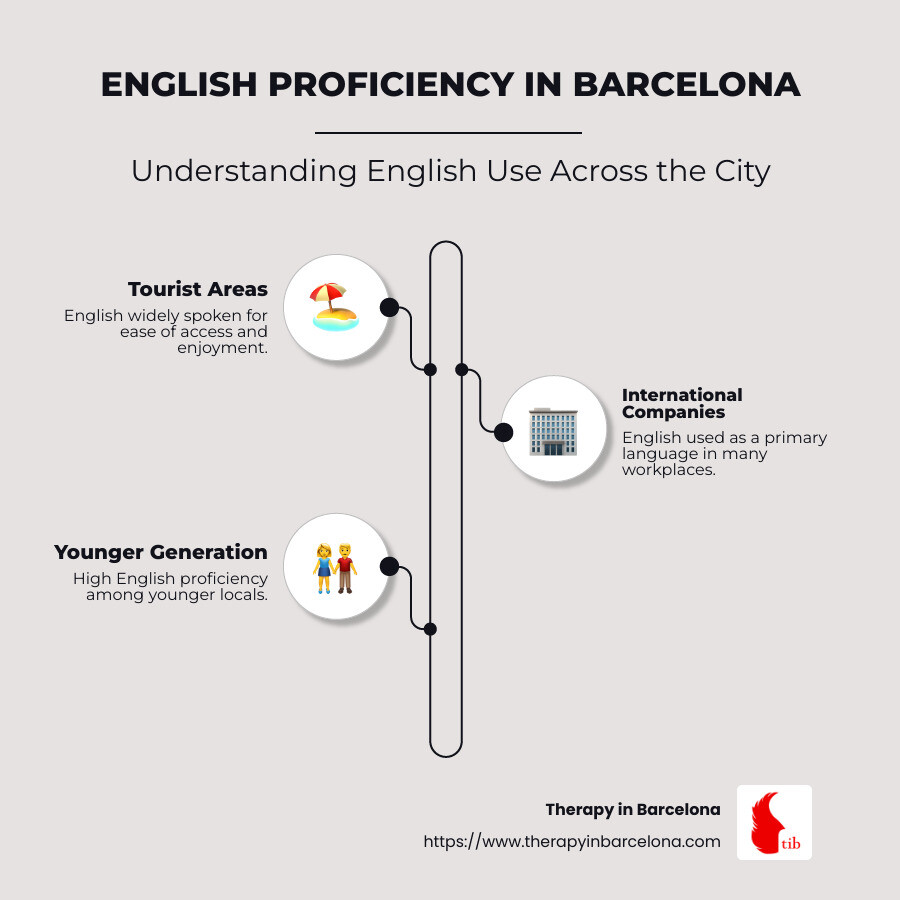
Th vibrant city of Barcelona is richer for its blend of languages and cultures. English speakers will find a welcoming environment, especially in tourist areas, international businesses, and with many younger locals who speak the language fluently. Here’s what you can expect as an English speaker in Barcelona:
- Renowned architecture and stunning coastlines make it a top tourist spot, where English is common in popular areas.
- 26.3% of Barcelona’s residents are foreign nationals, contributing to an international vibe.
- Catalan and Spanish are the prevalent languages, but English is on the rise, especially in tech and educational sectors.
Barcelona is a cosmopolitan hub, nestled between the Mediterranean and a rich cultural backdrop. While locals primarily speak Catalan and Spanish, you’ll find English spoken enough to steer through most areas of the city comfortably. This balance between local traditions and modern English proficiency makes Barcelona a unique place for expats and tourists alike.
I’m Leigh Matthews, the founder of Therapy in Barcelona. Over the years, I’ve helped many English-speaking clients adjust to life in this dynamic city. My work here has shown me that while language can be a barrier, the warmth and openness of Barcelona’s people often make it a much easier transition.
Navigating Barcelona with English
Getting around Barcelona as an English speaker is simpler than you might think. The city is well-prepared for international visitors, especially in tourist areas and through its comprehensive transportation network.
Tourist Areas
Barcelona’s top attractions, like La Sagrada Família, Park Güell, and Las Ramblas, are accustomed to welcoming English-speaking visitors. Here, you’ll find that English is widely spoken, making it easy to ask for directions or get information about the sites. Restaurants and cafes in these areas often provide menus in English, ensuring you can enjoy local cuisine without language barriers.
Transportation
Public transportation in Barcelona is efficient and user-friendly. The metro, buses, and trams offer multilingual services, with signs and announcements often available in English. This helps in navigating the city seamlessly. Ticket machines at metro stations also have an English language option, making it straightforward to purchase tickets or travel cards.

Taxis are another convenient option, and while not all drivers speak English, they’re generally familiar with major landmarks and can get you to your destination with ease.
Multilingual Services
Barcelona’s status as a global city means that many services are available in multiple languages. Information centres, especially those in high-traffic tourist zones, will typically have staff who speak English. This is particularly handy for getting advice on local attractions, events, or even emergency services.
For an even smoother experience, consider using apps like Google Translate, which can assist with quick translations on the go. This can be particularly useful in less touristy areas where English might not be as prevalent.
In conclusion, while Barcelona’s heart beats with Catalan and Spanish, the city’s openness to English-speaking visitors ensures a welcoming and accessible experience. Whether you’re exploring the Gothic Quarter or using the metro, you’ll find that the language of English is your helpful guide.
English in Daily Life
In Barcelona, English speakers will find a unique blend of bilingual locals and a vibrant cultural mix woven from both Catalan and Spanish influences. This dual-language environment shapes the daily experience in the city.
Bilingual Locals
Most people in Barcelona are bilingual, speaking both Catalan and Spanish. According to a 2021 survey, around 72.9% of Catalans also speak English to a conversational level. This makes it easier for English speakers to communicate, especially with younger generations and in urban areas.

Catalan and Spanish
Catalan and Spanish coexist in Barcelona, each with its own cultural significance. Catalan is the official language of Catalonia and is used in schools, public services, and everyday life. Spanish, also known as Castilian, is widely spoken and understood, providing a common ground for communication with people from other parts of Spain and Latin America.
While most locals can switch between Catalan and Spanish effortlessly, the choice of language can be a sensitive topic. Some Catalans prefer speaking Catalan as a way to express cultural identity and pride. However, they are generally accommodating and will switch to Spanish—or even English—when needed.
Cultural Experience
Living in a city where multiple languages are spoken offers a rich cultural experience. As an English speaker, you’ll have the opportunity to immerse yourself in both Catalan and Spanish traditions. Whether it’s enjoying a traditional fiesta, exploring local markets, or attending a cultural event, understanding a bit of both languages can improve your experience.
Learning a few basic phrases in Catalan and Spanish can go a long way in showing respect and appreciation for the local culture. Even simple greetings like “Hola” (Hello) or “Bon dia” (Good morning in Catalan) are warmly received by locals.
Barcelona’s cultural diversity, combined with its openness to English speakers, makes it a truly international city. Whether you’re here for a short visit or a longer stay, embracing the bilingual nature of Barcelona will enrich your experience and help you connect more deeply with the city’s vibrant culture.
Barcelona English Speaking: Work and Professional Environment
Barcelona is not just a hub for tourists; it’s a thriving centre for international companies and a vibrant expat community. If you’re an English speaker, you’ll find plenty of opportunities in the city’s dynamic work environment.
International Companies
Barcelona hosts numerous international companies, particularly in sectors like technology, finance, and tourism. These companies often operate in English, making it easier for non-Spanish speakers to work here. For instance, the Gartner office in Barcelona is a melting pot of 250 associates speaking 30 languages.
Expat Community
The city is home to a large and diverse expat community, which includes professionals from all over the world. This community often serves as a support network for newcomers, offering advice on everything from finding housing to navigating the local bureaucracy.
Expats in Barcelona tend to congregate in international work environments, where English is the primary language. This makes it easier for English speakers to adapt and thrive without being fluent in Spanish or Catalan.
Language in the Workplace
In Barcelona’s professional settings, English is commonly used, especially in multinational companies and startups. However, knowing some Spanish or Catalan can be beneficial. It shows cultural respect and can help in building stronger relationships with local colleagues.
While English is prevalent in the business world, learning basic Spanish phrases like “gracias” (thank you) or “por favor” (please) can go a long way in showing respect and fostering goodwill.
Overall, Barcelona offers a welcoming environment for English speakers looking to advance their careers. With its rich blend of cultures and languages, the city provides a unique opportunity to work and live in an international setting.
Tips for English Speakers in Barcelona
Navigating Barcelona as an English speaker can be a rewarding experience, especially with a few simple tips in mind.
Learn Basic Phrases
While many people in Barcelona speak English, knowing a few basic phrases in Spanish or Catalan can improve your experience. Start with essentials like:
- Spanish: “Buenos días” (Good morning), “Gracias” (Thank you), “Perdón” (Excuse me).
- Catalan: “Bon dia” (Good morning), “Merci” (Thank you), “Perdó” (Excuse me).
These small efforts can make interactions smoother and show locals that you’re making an effort.
Show Cultural Respect
Understanding and respecting local customs is crucial. Catalonia has a rich cultural heritage, and acknowledging Catalan traditions and language can be appreciated by locals. Even a simple “hello” in Catalan can go a long way in showing respect.
Accept Language Learning
Consider taking the opportunity to learn some Spanish or Catalan. Not only does it help in daily interactions, but it also enriches your cultural experience. Apps like Duolingo or platforms like Preply can be great starting points for language learning. Remember to practise self-compassion while learning – it’s not easy!
Engage with the Community
Join local events, clubs, or language exchange groups to practice your language skills and meet new people. Engaging with the community helps you feel more integrated and can lead to meaningful connections.
Be Patient
Communication might not always be smooth, especially in less touristy areas. Be patient and polite if language barriers arise. Most locals appreciate the effort and are willing to help.
By following these tips, you can enjoy a fulfilling experience in Barcelona while navigating the city as an English speaker.
Frequently Asked Questions about English in Barcelona
Can I go to Barcelona if I only speak English?
Absolutely! Barcelona is one of Europe’s top tourist destinations, and English is widely spoken in tourist areas. You’ll find that most attractions, such as La Sagrada Família and Park Güell, offer information in English. Many restaurants have English menus, making it easy to order your favourite tapas without any language barriers. In fact, during my first months in the city, I relied solely on English and had no trouble exploring the main sights.
How much of Barcelona speaks English?
English proficiency in Barcelona varies. In tourist-heavy areas, many locals speak English fluently, especially those working in hospitality and retail. The younger generation tends to have a better grasp of English due to its inclusion in school curricula. However, outside these areas, you might encounter more Spanish and Catalan speakers. A survey showed that a significant portion of the population is bilingual in Catalan and Spanish, but English is increasingly common, especially among those under 30.
Is it better to speak Spanish or English in Barcelona?
While you can get by with English, speaking some Spanish or Catalan can improve your experience. Locals appreciate when visitors make an effort to speak their language, even if it’s just basic phrases. This can help in building connections and showing respect for the local culture. In professional settings, especially in international companies, English is often the primary language. Nonetheless, knowing Spanish can be beneficial for deeper cultural integration and day-to-day interactions outside the tourist zones.
Barcelona accepts its multilingual identity, making it a welcoming city for English speakers. Whether you’re visiting or planning a longer stay, understanding the language dynamics can enrich your experience.
Therapy in Barcelona Can Help
Therapy in Barcelona is dedicated to helping English speakers steer life in this vibrant city. We understand that adjusting to a new culture and language can be challenging, especially when you’re far from home. That’s why we offer personalised support custom to the unique needs of expats.
Our team of English-speaking therapists provides culturally sensitive services to help you feel at home in Barcelona. Whether you’re struggling with language barriers, cultural adjustments, or just need someone to talk to, we’re here to support you.
Living in a city where English is not the primary language can be daunting, but it also offers a chance to grow and connect with a diverse community. We believe that with the right support, you can thrive in Barcelona, enjoying its rich culture while feeling understood and accepted.

