


The Hidden Side of Studying Abroad
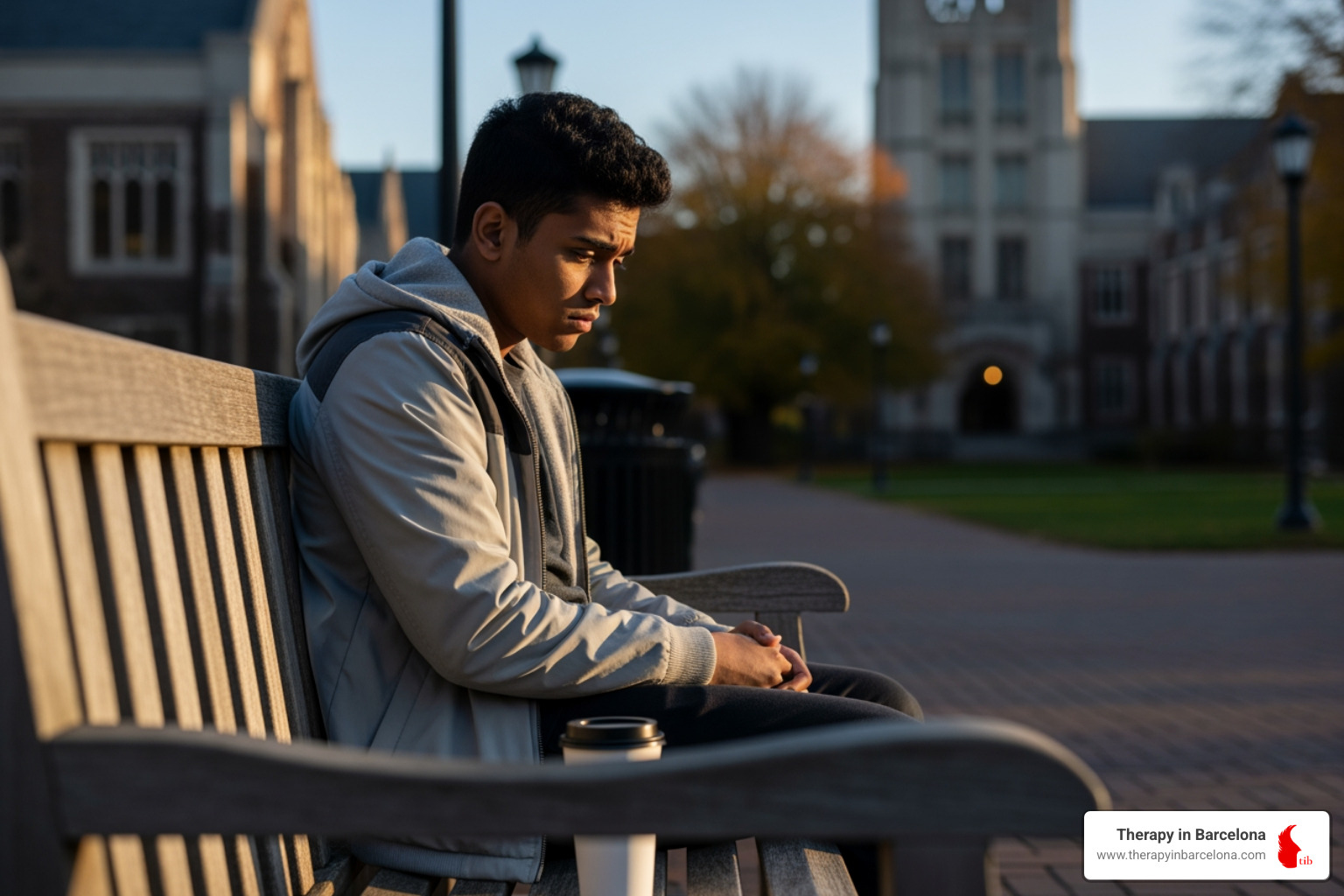
International student mental health is a growing concern that deserves serious attention. Thousands of students move abroad each year, drawn by the promise of better education, new experiences, and exciting opportunities. Yet beneath the surface of this adventure lies a reality many do not talk about: heightened feelings of worry, low mood, loneliness, and chronic stress.
Key challenges international students face:
- Higher rates of mental health struggles – Nearly two-thirds of first-year students globally report symptoms consistent with at least one mental health challenge, with international students at even higher risk than domestic peers
- Cultural and social isolation – Language barriers, unfamiliar social norms, and distance from family create profound feelings of not belonging
- Academic and financial pressure – 65% of international students report academic-related stress, compounded by high tuition fees and limited work opportunities
- Immigration uncertainty – Visa concerns, changing policies, and fear of status changes create constant anxiety
- Low help-seeking rates – Only 32% of international students who screen positive for mental health challenges access support, compared to nearly 50% of domestic students
The gap between struggle and support is real. In 2023, international students filed a record 20,245 asylum claims in Canada alone—a signal of extreme distress when other support systems fail. Meanwhile, wait times for mental health care can stretch from six to twenty-four months in some regions.
This guide explores why international students face unique mental health challenges, what stops them from getting help, and how universities, communities, and students themselves can build better support systems. Whether you are studying in Barcelona, Valencia, Madrid, Málaga, or elsewhere in Spain—or considering a move abroad—understanding these challenges is the first step toward finding the right support.
The Unique Pressures: Why International Students Are at Higher Risk
Studying in a new country is often portrayed as an idyllic adventure, but for many, it is a journey full of unique pressures that can significantly impact international student mental health. These pressures are a complex mix of cultural, academic, financial, and bureaucratic challenges that domestic students rarely encounter to the same degree.
Cultural and Social Dislocation
Imagine stepping into a world where everything feels slightly off-kilter. The way people greet each other, the humour, even the rhythm of daily life can be profoundly different. This is culture shock, a major contributor to distress among international students. Beyond the initial excitement, many experience acculturative stress—the psychological impact of adapting to a new culture.
Language barriers, even after passing English or Spanish proficiency tests, can make daily interactions surprisingly difficult. One student put it this way: “I thought I knew English—I passed IELTS, after all. But once I got here, everything felt different. The slang, local dialects… I could not understand much of what my peers were saying.” This can lead to feelings of isolation and make forming new friendships a daunting task. An academic review on unmet mental health needs highlights these challenges, noting that a lack of social support can lead to loneliness and psychological distress.
Take Omar, a fictional avatar representing many international students in Spain. He arrived in Barcelona excited about his studies, but quickly found himself struggling to steer social cues and local slang. Group assignments became intimidating, and he often felt like an outsider trying to catch up, leading to a profound sense of loneliness. Omar is not a real client, but his story mirrors what many students in Barcelona, Valencia, or Sevilla describe.
Academic and Financial Burdens
The academic demands placed on international students are often immense. Not only are they expected to do well in an unfamiliar educational system, but they might also be navigating language differences in lectures, exams, and group work. A 2023 survey by the Canadian Bureau for International Education found that about 65 per cent of international students reported experiencing academic-related stress.
On top of this, the financial pressure can be heavy. International students typically pay significantly higher tuition fees—in some cases, five times more than domestic students. Combined with the rising cost of living, particularly in popular student cities like Madrid, Valencia, or Málaga, and limited work opportunities, this creates a constant source of stress. Academic reviews on Chinese international students have found academic stress to be a primary source of low mood and feelings of worry, with financial problems reported as a frequent stressor.

This intense pressure to succeed, often driven by family expectations and significant financial investment from home, leaves little room for error.
The Weight of Immigration and Bureaucracy
One of the most draining stressors for international students is the constant anxiety surrounding their immigration status. Visa worries, the complex process of obtaining post-study work permits, and the ever-present fear of policy changes or even having their visa revoked create a precarious existence.
When countries such as Canada or Spain change rules on study permits or post-study options, students in hubs like Barcelona, Madrid, or Alicante can feel sudden uncertainty about their future. Furthermore, international students can become targets of negative political rhetoric, unfairly blamed for issues like housing shortages or strain on infrastructure. The official PLOS blog highlights how external factors like political rhetoric and housing crises can affect student well-being.
Barriers to Getting Help: The Wall of Silence
Even when international student mental health struggles become overwhelming, many find it incredibly difficult to seek support. This is rarely due to a lack of need, but rather a combination of deeply ingrained cultural factors and systemic shortcomings in the support systems available.
Understanding Cultural Stigma and Fear
For many international students, the concept of mental health is viewed very differently than in Western societies. In numerous cultures, mental health challenges are a taboo subject, often associated with shame, weakness, or even a curse. This cultural stigma is a major barrier, leading students to suffer in silence rather than risk judgment from their families or communities.
Consider the example of Mei, a fictional student from an Asian background studying in Sevilla. In her home country, discussing mental health challenges openly is uncommon, and seeking psychological help might be seen as bringing dishonour upon her family. Mei is not a real client, but her story reflects what many students share. This fear of being labelled as “weak” or “unstable” is a powerful deterrent, often preventing students from disclosing their struggles even to close friends, let alone a professional.
Beyond family and community, there is a practical fear: concerns about confidentiality and potential repercussions. Many international students worry that disclosing mental health struggles could jeopardise their visa status or lead to them being deemed inadmissible under immigration categories. While this is rarely the case for voluntary, non-crisis care, the perception of risk is enough to silence many. This fear, as highlighted in research on the impact of culture on mental health, further discourages students from accessing support.
Systemic Failures: When Support Systems Fall Short
Even for those brave enough to seek help, the journey can be frustrating. University mental health services, while well-intentioned, are often under-resourced and not always designed around the diverse needs of international students. Long wait times for publicly funded therapy, which can stretch from 6 to 24 months in places like Quebec, are a significant deterrent. By the time an appointment becomes available, a student’s crisis may have escalated or passed, leaving them disillusioned.
Furthermore, a lack of cultural understanding among counsellors can lead to international students feeling misunderstood or dismissed. As one report highlighted, international students often feel that counsellors are “unfamiliar with migration trauma or cultural context”. This can show up as a one-size-fits-all approach that does not acknowledge the stress of acculturation, cultural identity, or the specific ways distress is expressed in different cultures.
Navigating a New Healthcare System
Moving to a new country means understanding and using an entirely new healthcare system, which itself can be a source of anxiety. Many international students arrive without a clear understanding of how healthcare works, what their insurance covers, or where to even begin seeking mental health support.
In Spain, for instance, accessing public mental health services typically requires a referral from a general practitioner (GP). This multi-step process, combined with potential language barriers at each stage, can be overwhelming. Knowing what their insurance entails, or whether it covers mental health treatment adequately, adds another layer of confusion. This lack of clear, accessible information means many students simply do not know where to turn, further isolating them from potential help.
Building a Better Support System for International Student Mental Health
Addressing the complex challenges faced by international students requires a multi-faceted approach involving universities, governments, communities, and the students themselves. The goal is to create an environment where proactive support is the norm, and seeking help is seen as a strength, not a weakness.
The Role of Universities and Institutions
Universities are on the front lines of supporting international student mental health. Their role is crucial in creating an inclusive and responsive environment. This means moving beyond generic services to offer culturally sensitive counselling that truly understands the expat experience.
Key features of an effective university mental health service:
- Culturally aware therapists: Hiring therapists who understand migration, cultural context, and the diverse backgrounds of international students is essential. This includes training staff in culturally responsive practices.
- Multilingual support: Offering counselling in multiple languages, such as English, German, French, or Spanish, can significantly reduce barriers for students who may struggle to express complex emotions in a second language.
- Peer support groups: Connecting new international students with senior student mentors or peer groups can foster a sense of belonging and provide valuable guidance from those with lived experience. Research shows that social support is negatively associated with feelings of low mood and worry.
- Clear information on how to access help: Universities must proactively inform students about available services, how to access them, and reassure them about confidentiality and that seeking mental health support will not jeopardise their visa status.
- Flexible appointment options: Offering online and in-person sessions, along with flexible scheduling, makes services more accessible to students juggling academic commitments and part-time work.
Universities in cities like Madrid, Barcelona, Valencia, and Málaga can lead the way by developing personalised care plans that reflect students’ diverse backgrounds, ensuring that support is not only accessible but also appropriate. The Centre for Innovation in Campus Mental Health (CICMH) stresses the importance of culturally trained counsellors and personalised care plans.
How Governments and Communities Can Contribute
Governments play a pivotal role in creating a stable and supportive environment for international students. This involves creating clear, stable immigration pathways and investing in affordable student housing to ease financial and housing-related stress. The World Health Organization (WHO) highlights that untreated mental health conditions are a leading cause of disability among youth, which underlines the need for government investment in mental health initiatives.
Local communities also have a part to play. Organising community events and initiatives in cities like Málaga, Alicante, or Zaragoza can help international students integrate and build social connections, combating loneliness and fostering a sense of belonging. This could include cultural exchange programmes, volunteer opportunities, or local sports clubs. Funding for accessible mental health initiatives, particularly those custom to diverse populations, is important to ensure that support extends beyond university campuses. By integrating international students into the broader societal fabric, we can reduce isolation and improve their overall well-being.
Empowering Students: Self-Care and Peer Support
While systemic changes are crucial, empowering international students with tools for self-care and encouraging peer support can significantly improve their resilience. Studying abroad is demanding, and it is normal to struggle. Learning to recognise the signs of stress, worry, or low mood is the first step toward managing them.
Building resilience involves developing adaptive coping mechanisms, such as seeking social support, engaging in hobbies, or practising mindfulness. Peer support can be incredibly powerful. Connecting with other international students who understand the unique challenges of expat life can create a vital support network. Building a support system early on is a key piece of advice often shared within international student communities. Joining student unions, cultural associations, or community groups in hubs like Barcelona, Valencia, or Gran Canaria can be instrumental.
Normalising conversations about international student mental health within these communities helps to reduce stigma. Sharing experiences, even if just with a trusted friend, can validate feelings and reduce isolation. For example, a student might feel less alone hearing another share their struggles with homesickness or academic pressure in Gran Canaria.
Finding the Right Support: Your Options for Therapy in Spain
Navigating mental health support in a new country can feel daunting. Understanding the various options available is key to finding the help that feels right for you. Whether you are an international student in Barcelona, Madrid, Valencia, or any other part of Spain, here is a breakdown of where you can look for support.
Public Healthcare
Spain has a comprehensive public healthcare system, which is generally accessible to residents, including many international students with appropriate registration. To access mental health services through the public system, you typically need to start with a visit to a general practitioner (GP) at your local health centre. The GP will then assess your needs and may refer you to a public psychologist or psychiatrist.
This can be a low-cost option, but there are often significant drawbacks. Wait times for specialist appointments can be long, ranging from weeks to several months. Language can also be a barrier, as services are primarily in Spanish, and access to English-speaking professionals or interpreters may be limited. Culturally sensitive care, which acknowledges the unique experiences of international students, might also be less readily available within a large public system.
University Counselling Services
Most universities in Spain, like those in Barcelona, Madrid, Valencia, Sevilla, or Málaga, offer their students free or low-cost counselling services. These can be a convenient first point of contact, providing a safe space to discuss academic stress, homesickness, relationship issues, or other concerns.
However, university counselling services often come with their own limitations. Availability can be an issue, with high demand sometimes leading to waiting lists. The range of therapeutic approaches or the specific expertise of counsellors might also be narrower compared to private practice. While some universities are working towards more inclusive services, the cultural and linguistic diversity of their staff may not always fully match that of their international student body. It is always worth checking what your institution offers, but be aware of these potential constraints.
Large Online Platforms and Other Local Practices
Beyond university services and the public system, international students also have other avenues to consider.
Large online therapy platforms offer:
- Convenience and access from anywhere, including if you move between cities such as Barcelona, Alicante, or Gran Canaria
- A wide pool of therapists to choose from
At the same time, there are some things to keep in mind:
- Matching is often done by algorithm, which may not always catch nuances such as expat-specific stressors or cultural background
- Therapists may not always be familiar with life in Spain or international student realities
- Data privacy and how platforms handle and store information can vary, so it is important to read policies carefully
Local private practices across Spain (for example in Zaragoza, Marbella, Valencia, or Málaga) can also be a good option. Many are run by Spanish clinicians, and some offer support in English or other languages. When looking at local practices, it helps to ask:
- Do they have experience with international students or expats?
- Which languages do they work in?
- How do they think about culture, migration, and identity in therapy?
These options can be very helpful, especially if you find a therapist who understands your background and offers an approach that resonates with you.
Therapy in Barcelona: Private, Expat-Focused Support
For international students seeking prompt, personalised, and culturally sensitive mental health support, private therapy can be a strong option. Therapy in Barcelona specialises in providing mental health services custom to the English-speaking international community in Barcelona, including students, accompanying partners, professionals, and families.
What makes Therapy in Barcelona different is its focus on internationals and expats. Founded by Leigh Matthews, an Australian Psychologist who has been in Barcelona since 2011 and has extensive experience supporting internationals, the practice grew out of her own struggle to find English-speaking, culturally aware therapy after moving to Spain. This personal insight shapes the clinic’s mission: to be the therapists they would want to work with.
At Therapy in Barcelona:
- All therapists are psychology-trained professionals who offer their services as therapists in Spain
- We are a group practice with collaborative expertise, working with adults, couples, teens, and families
- Our therapists are expats themselves and understand challenges like cultural adjustment, isolation, and language barriers from the inside
- We work in English, and some therapists also speak German, French, Spanish, Afrikaans, Portuguese, Austrian-German, and Swiss-German
We use a careful, human-led matching process. This is not an algorithm. We listen to what you are going through and what you are looking for, then suggest a therapist whose training, experience, and way of working are likely to fit you. This personalised matching helps therapy feel safer and more effective.
Our therapists draw on a range of evidence-based approaches, including Cognitive Behavioural Therapy (CBT), Acceptance and Commitment Therapy (ACT), Internal Family Systems (IFS) and other ego-state approaches, Schema Therapy, mindfulness-based and somatic approaches, and for couples, methods such as the Gottman Method. We blend these with a strong focus on cultural context and the realities of life abroad.
We also take privacy seriously and do not sell client data. Sessions are available both online and in-person at our offices in Barcelona’s Eixample district, an area that is central and easy to reach.
Therapy in Barcelona is a private-pay service. Some therapists offer sliding scale fees for those with financial need, and prospective clients are encouraged to ask about this during their Free Discovery Call.
Why a Culturally Sensitive, Expat-Focused Approach Matters
For international student mental health, a culturally sensitive and expat-focused approach is often essential. When your therapist understands the stress of moving to Barcelona from another continent, the confusion of opening a bank account in Madrid, or the loneliness of arriving in Valencia without friends or family, you do not have to spend half the session explaining the basics of your life.
In practice, this can mean:
- Feeling understood when you talk about culture shock, homesickness, or identity questions
- Being able to switch languages or explain expressions from your own culture
- Knowing that your therapist is aware of visa stress, housing issues, and long-distance relationships
At Therapy in Barcelona, this is central to how we work. Our team of psychology-trained expat therapists bring both professional knowledge and lived experience of life abroad. We tailor therapy to each client’s needs, blending evidence-based practices with sensitivity to cultural nuances. Our aim is to offer a compassionate sanctuary where you can talk about difficult emotions, relationship issues, or past experiences in a space where your international life is understood.
Frequently Asked Questions about International Student Mental Health
What are the first signs that I might need mental health support?
It is normal to feel stressed or overwhelmed sometimes, especially as an international student. However, persistent changes in your mood or behaviour can be signs you might need support. Look out for things like:
- Feeling sad, anxious, or hopeless most of the time
- Significant changes in your sleep patterns (sleeping much more or much less)
- Changes in appetite or weight
- Withdrawing from friends, social activities, or even family back home
- A noticeable drop in your academic performance or difficulty concentrating
- Loss of interest in activities you once enjoyed
- Feeling overwhelmed, irritable, or having difficulty managing daily tasks
- Increased use of alcohol or other substances as a coping mechanism
- Thoughts of self-harm or suicide (if you experience these, please seek immediate help from a crisis line or emergency services)
Getting support early can make things easier to manage.
How can I talk to my family back home about my mental health struggles?
This can be one of the hardest conversations, especially with cultural stigma around mental health. Here are a few ideas:
- Choose the right time and place: Find a moment when you can talk without interruption and when everyone is calm.
- Use “I” statements: Focus on your feelings rather than blaming. For example, “I have been feeling very overwhelmed and lonely,” instead of “You do not understand what I am going through.”
- Explain the pressures: Help them understand the unique challenges you face as an international student—the academic pressure, financial worries, and the difficulty of cultural adjustment in places like Barcelona, Madrid, or Valencia.
- Reassure them: Explain that seeking professional help is a way to stay well and continue your studies, similar to getting help for a physical health issue.
- Educate them gently: If they are unfamiliar with mental health concepts, share simple information about what you are experiencing and how therapy can help.
- Offer a solution: Let them know you are looking for support, for example with a therapist who understands expat life or speaks your language.
Is my visa status at risk if I seek mental health care in Spain?
In most cases, no. Seeking voluntary mental health care in Spain—such as attending therapy sessions—is confidential and typically does not impact your visa status or future immigration applications. Healthcare information is protected by privacy laws.
The main distinction is between voluntary mental health support and severe situations that might involve emergency or involuntary hospitalisation because of immediate safety concerns. For the vast majority of international students seeking counselling for stress, anxiety, low mood, or adjustment, your visa status is not affected. If you have specific questions, you can check with your university’s international student office or an immigration advisor, but seeking help for your well-being is a protected right.
If you are ever in immediate danger or thinking about harming yourself, please contact local emergency services (112 in Spain) or a crisis line in your area. Therapy in Barcelona does not provide crisis care, but we can support you in ongoing work once you are safe.
You Are Not Alone on This Journey
Studying abroad is an incredibly brave and often demanding undertaking. It is important to remember that it is entirely normal to struggle with the many adjustments and pressures that come with life as an international student. You are not alone in experiencing challenges to your international student mental health. Reaching out for support is a step towards caring for yourself, not a sign of failure.
At Therapy in Barcelona, we understand these unique challenges because many of our psychology-trained therapists are internationals themselves. As a trusted group practice established in Spain since 2011, we offer a compassionate sanctuary where you can feel understood and supported, whether you are dealing with culture shock, academic stress, loneliness, relationship issues, or other parts of the international student experience. We work with adults, couples, teens, and families, and we offer therapy in English and several other languages.
We see clients online worldwide and offer in-person sessions at our clinic in Barcelona. If you are studying in Madrid, Valencia, Málaga, Alicante, or elsewhere in Spain, online sessions can make it easier to access expat-focused support.
If you would like support, book a Free Discovery Call. In that call, we can learn more about what you are going through and help you find a therapist in our team who feels like a good fit for you.
