


Why Working in Spain as an English Speaker Is Both Dream and Challenge

Work in Spain for English speakers is possible, but it requires preparation, persistence, and realistic expectations. Here’s what you need to know:
- Visa requirements: Non-EU citizens need a job offer before applying for most work visas
- Top cities: Madrid, Barcelona, Valencia, and Málaga offer the most English-speaking opportunities
- In-demand sectors: Tech, tourism, customer service, teaching, and marketing actively hire English speakers
- Language reality: While jobs exist without Spanish, even basic language skills significantly improve your prospects and daily life
- Job availability: Over 4,000 English-speaking roles are currently advertised across Spain, concentrated in major cities
- Work culture: Expect around 1,644 working hours per year, 22 days paid leave, and a strong emphasis on work-life balance
The idea of working in Spain sounds brilliant on paper. Picture yourself in Barcelona, Valencia, or Madrid—vibrant cities, good weather, a slower pace of life, and a chance to build something new. For many English speakers, it’s the ultimate career move abroad.
But the reality isn’t always Instagram-worthy. Take Emily, a 34-year-old from the UK who moved to Barcelona for a marketing role. She is a fictional composite, not a real person, but her story mirrors many expats’ experiences. Emily landed a job at an international company, sorted her visa, and arrived full of excitement. Three months in, she was struggling with bureaucracy, feeling isolated outside work, and questioning whether she’d made the right choice. The job was fine, but figuring out life in a new country—where she didn’t speak the language and didn’t understand the unwritten rules—was harder than she expected.
Spain’s job market is competitive. The unemployment rate sits at 12.3%, with youth unemployment at 26.4%, making it one of the highest in Europe. Spanish employers typically prioritise local citizens and EU nationals, which means non-EU English speakers often need to target roles on shortage occupation lists or work for international companies. Yet opportunities do exist—especially in tech, tourism, education, and customer service—and Spain’s lower cost of living (on average 44% cheaper than the United States, according to Numbeo) can make the financial trade-offs worthwhile.
This guide will walk you through the practicalities: which industries are hiring, where to look, how to handle visas, what to expect from Spanish work culture, and how to prepare emotionally for the transition. We’ll also touch on the mental health side of moving abroad for work—because adjusting to a new country while building a career is no small feat.
The Current Job Market: Opportunities and Realities
Spain is an attractive destination for many, drawing over eight million immigrants with its climate, culture, and lifestyle (INE). However, when it comes to finding work in Spain for English speakers, it is important to approach the job market with clear eyes. The current job market can be tough, with an overall unemployment rate of 12.3% and a youth unemployment rate of 26.4% as of late 2023. This means competition is stiff, and employers often prioritise Spanish citizens and those from other EU member states.
Despite these figures, opportunities are certainly available, particularly for highly skilled workers. The Spanish job market is actively seeking professionals in areas where local talent might be scarce or where international expertise is valued. This creates opportunities for English speakers.
In-Demand Industries for English Speakers
Several sectors consistently show demand for English-speaking professionals, especially within international companies or roles that serve a global client base.
- Tech and IT: Spain’s digital sector is booming, particularly in cities like Madrid and Barcelona. Roles such as software developers, cybersecurity specialists, data scientists, and computer programmers are highly sought after. Companies are increasingly looking for professionals in areas like artificial intelligence and data mining.
- Tourism and Hospitality: As a top global tourist destination, Spain always has a need for English speakers in hotels, resorts, restaurants, and tour operations. This is particularly true in popular coastal regions and major cities like Barcelona, Málaga, Alicante, Sevilla, and Marbella. Waiters, bartenders, and receptionists are frequently needed, especially during peak seasons.
- Sales and Marketing: Many international companies based in Spain require English-speaking sales representatives, marketing coordinators, and social media specialists to target global markets. Roles in content strategy and digital marketing are also on the rise.
- Customer Service: With a growing number of multinational companies establishing hubs in Spain, there’s a constant demand for English-speaking customer service agents to support diverse customer bases. These roles often involve phone and email support for various markets, including the UK.
- Education and Teaching: Teaching English remains one of the most accessible pathways for English speakers. Language academies, private schools, and international schools throughout Spain, including in Madrid, Barcelona, and Valencia, are always looking for qualified English teachers. Some positions may even involve teaching other subjects in English if you hold relevant qualifications.
- Startups: The startup ecosystems in Madrid and Barcelona are vibrant, with many companies operating internationally and requiring English-speaking talent across various functions. These environments often foster a more English-centric workplace culture.
Top Cities for English-Speaking Jobs
While opportunities can be found across Spain, certain cities and regions stand out as hotspots for English-speaking professionals.

- Madrid: As the capital and a major business hub, Madrid offers a high concentration of corporate roles in finance, IT, and international business. It consistently has a significant number of English-speaking job opportunities, often listed with hundreds of available positions.
- Barcelona: A global city known for its tech scene, tourism, and international community, Barcelona is another prime location for English speakers. It is a hub for startups and multinational corporations, offering diverse roles in IT, marketing, and customer service.
- Valencia: Offering a fantastic quality of life, Valencia is gaining traction as an expat-friendly city with a growing job market, particularly in tech and customer service. It is a more affordable option compared to Madrid and Barcelona while still providing ample opportunities.
- Málaga and the Costa del Sol: This region is a magnet for tourism and remote workers. While many jobs are seasonal, there are also year-round opportunities in hospitality, real estate, and services catering to the large English-speaking expat community.
- Alicante: Family-friendly and with a beautiful coastline, Alicante also offers opportunities primarily in tourism and services, often catering to international residents.
- Sevilla: Known for its rich culture, Sevilla is a growing destination for tourism and also offers some opportunities in education and services.
- Marbella: A high-end tourist destination on the Costa del Sol, Marbella has a constant need for English speakers in luxury hospitality and services.
- Gran Canaria: For those seeking island life, Gran Canaria is a popular spot for digital nomads and offers roles in tourism and services.
- Zaragoza: A central and more affordable alternative, Zaragoza has a developing industrial and logistics sector that occasionally presents English-speaking roles.
Platforms like EnglishJobs.es show thousands of jobs available for English speakers across Spain, with new roles added daily. A quick search reveals that regions like Galicia, the Community of Madrid, and Catalonia frequently have the highest number of listings, while Madrid, Valencia, and Vitoria-Gasteiz often lead the city-specific counts.
Your Guide to Work in Spain for English Speakers: Visas and Requirements
Securing the right to work in Spain for English speakers is paramount, and the process differs significantly depending on your nationality.
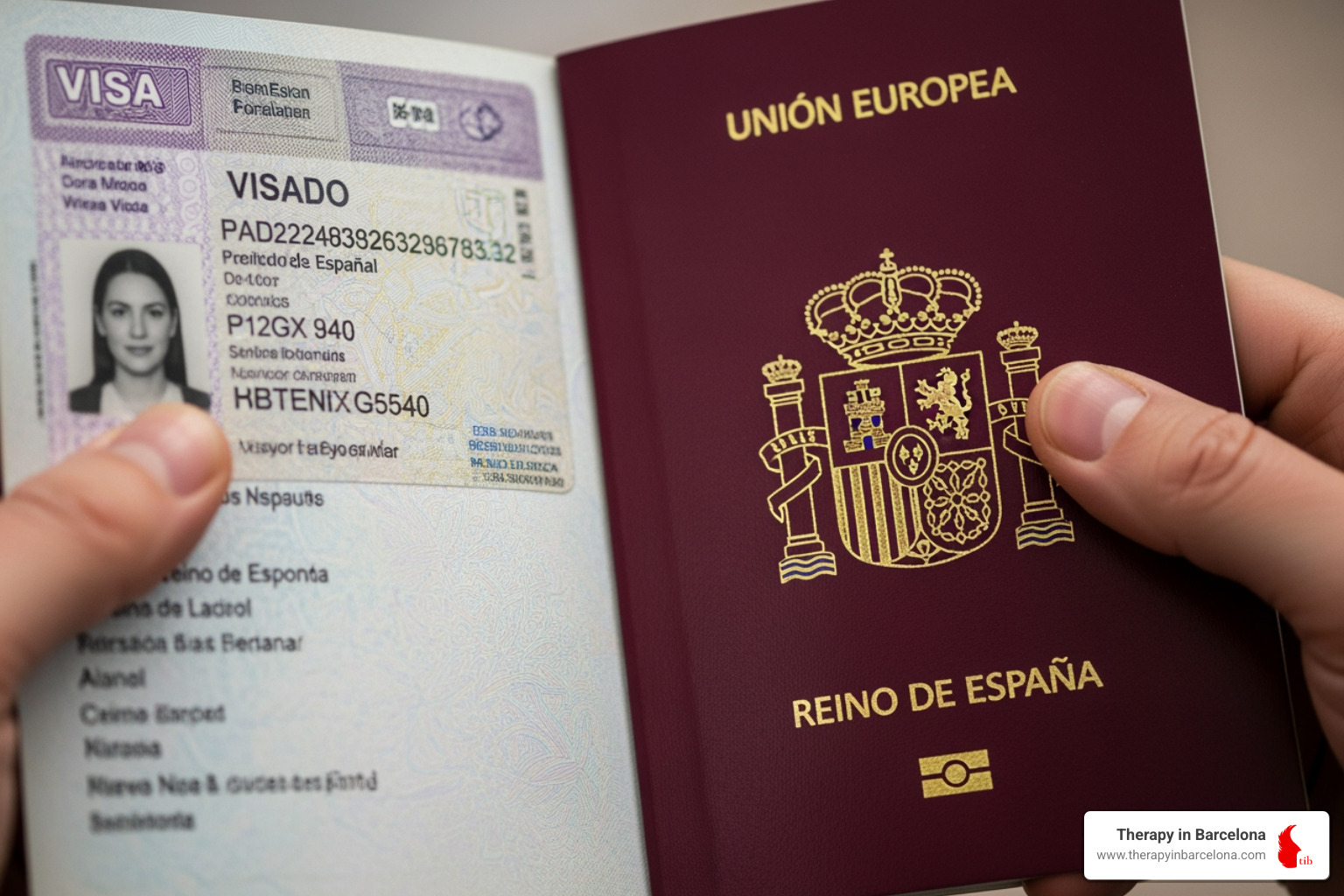
If you are a citizen of the European Union (EU), European Economic Area (EEA), or Switzerland, you have the right to live and work in Spain without needing a specific work visa. You will, however, need to register as a resident.
For non-EU citizens, the path is more complex. In most cases, you must first secure a job offer and an employment contract from a Spanish employer before you can apply for a work visa. This is a critical step, as the visa application typically requires proof of employment. It is always best to check with your local Spanish embassy or consulate for the most up-to-date and specific requirements for your country of origin.
The Importance of Spanish: Do You Really Need It?
This is a question many English speakers ask, and the answer is nuanced. While it is certainly possible to find work in Spain for English speakers without knowing Spanish, your prospects and daily life will be significantly improved by even a basic grasp of the language.
Some roles, especially in international schools, English language academies, or customer service for international markets, may not require Spanish. For instance, you might find roles as an English teacher, a customer service agent for a UK market, or even a tech role in a startup where English is the primary language of communication. There are thousands of jobs listed as “English speaking” that explicitly state “no Spanish required”.
However, for most corporate roles outside purely international environments, Spanish proficiency is often a prerequisite or a strong advantage. Companies may require fluency in both English and Spanish, particularly in roles involving interaction with local teams or clients.
Beyond the workplace, speaking Spanish is invaluable for daily life, integrating into the local community, and handling bureaucracy. It can ease culture shock, reduce feelings of isolation, and support your overall mental well-being. While Spain’s public health system offers mental health support, expats may face long waiting lists and a lack of services in their native language. Specialist services are available to fill this gap. At Therapy in Barcelona, for example, they provide culturally sensitive, multilingual therapy specifically for the international community, helping expats adjust and thrive. You can find more info about their multilingual therapy services on their website.
The Visa Process for Non-EU Citizens
For non-EU citizens, obtaining the correct visa is a multi-step process that often begins before you even arrive in Spain.
- Employee Visa: This is the most common route if you have a job offer. Your prospective employer in Spain must apply for a work permit on your behalf. Once approved, you can then apply for your employee visa at your local Spanish consulate. Key documents typically include a completed visa application form, a valid passport, photographs, a criminal record certificate, proof of accommodation, and any qualifications relevant to your work.
- Self-Employed Visa: If you plan to work as a freelancer or start your own business, this visa type is for you. It requires a solid business plan, proof of financial means, and often evidence of your professional qualifications. Be aware that registering as ‘autónomo’ (self-employed) in Spain involves social security contributions that can be quite high.
- Digital Nomad Visa: Spain recently introduced a Digital Nomad Visa, designed for remote workers earning income primarily from outside Spain. This visa allows non-EU citizens to live and work in Spain for English speakers remotely for international companies. It offers significant tax benefits, with a reduced tax rate of 24% on income up to €600,000 under the new ‘Beckham Law’ regime for digital nomads. The initial visa is valid for one year and can be renewed for up to five years, potentially leading to permanent residency. This is an increasingly popular option for those whose jobs allow for remote work.
Regardless of the visa type, the process can be lengthy and requires meticulous documentation. Always consult your local Spanish embassy or consulate well in advance of your planned move.
The Practicalities: Salary, Rights, and Work-Life Balance
Moving to Spain for work in Spain for English speakers involves more than just finding a job; it means understanding the financial landscape, your rights as a worker, and how to adapt to a new professional culture.
Salary vs. Cost of Living: What to Expect
The average gross salary in Spain is approximately €26,000 annually. However, this figure can vary dramatically based on several factors:
- Industry and Role: High-demand fields like IT, engineering, and finance tend to offer higher salaries. For example, surgeons, IT directors, and civil engineering project managers are among the highest-paid professions. English teachers, while in demand, typically earn less, often around €13–€18 per hour or a modest monthly salary in language academies (TEFL.org).
- Experience and Education: As in any country, more experience and higher qualifications generally lead to better pay.
- Location: Salaries can differ between cities. Madrid and Barcelona, for instance, often have higher salaries to offset their higher cost of living, compared to cities like Valencia or Alicante.
- Nationality: Unfortunately, in some sectors, there can be salary discrepancies based on nationality, although this is less common in international companies.
While salaries might seem lower than in some English-speaking countries, the average cost of living in Spain is on average 44% cheaper than in the United States. This can significantly impact your disposable income and quality of life.
Here’s a snapshot of typical monthly expenses in a major city like Madrid or Valencia, based on data from Numbeo:
- Rent for a one-bedroom apartment: Ranges from approximately €700–€900 in a city centre.
- Utilities (for an 85 sq.m. apartment): Around €130 per month.
- Basic groceries: Loaf of bread €1.20, Rice (1kg) €1.30, Chicken Fillets (1kg) €7.00, Mid-range bottle of wine €5.00.
- Meal at an inexpensive restaurant: Around €12.00 per person.
These figures illustrate that while your income might be less, your purchasing power for daily necessities can be considerably higher, allowing for a comfortable lifestyle.
Understanding Spanish Work Culture and Your Rights
Spanish work culture has its unique rhythms and expectations that can be a pleasant surprise or a challenging adjustment for English speakers.
- The “Siesta” Myth vs. Reality: The traditional afternoon siesta, a long break in the middle of the day, is not as prevalent in modern corporate environments as popular culture might suggest. However, long lunch breaks (often 1-2 hours) are common, which can extend the working day until 7 or 8 PM. This reflects a cultural emphasis on enjoying meals and socialising.
- Relationships and Networking: Personal relationships and informal networking (“enchufe”) play a significant role in the Spanish job market. Building connections, whether through professional events or social circles, can be just as important as formal applications. The Spanish Chamber of Commerce can be a good starting point for networking.
- Communication Styles: Communication tends to be more indirect and relationship-focused than in some English-speaking cultures. Patience and building rapport are key.
- Working Hours and Rights: Spanish labour law provides strong protections for employees. The working week cannot exceed an average of 40 hours, there must be a 12-hour rest period between shifts, and a 15-minute break is required for shifts over six hours. Overtime is limited to 80 hours per year.
- Paid Leave: Workers in Spain are entitled to a minimum of 30 calendar days (which equates to 22 working days) of paid leave annually.
- Maternity and Paternity Leave: Spain offers 16 weeks of leave for both parents, which can be taken simultaneously or consecutively, demonstrating a strong commitment to parental support.
- Social Security Contributions: As an employee, you will contribute to Spain’s social security system, which covers healthcare, unemployment benefits, and pensions. This is a fundamental right for legal foreign workers.
Adapting to these cultural nuances and understanding your legal rights will help ensure a smoother and more enjoyable professional experience in Spain.
Strategies for a Successful Job Hunt
Finding work in Spain for English speakers requires a strategic and proactive approach. You cannot simply rely on sending out a few CVs and hoping for the best.
- Proactive Job Searching and Networking: Many jobs in Spain are found through word-of-mouth and personal contacts. Networking is crucial. Attend industry events, join expat groups (both online and in person), and connect with professionals in your field. The Spanish Chamber of Commerce can provide valuable networking opportunities. Don’t be afraid to make speculative applications to companies you’re interested in, even if they don’t have advertised openings.
- Online Job Boards: Utilise platforms specifically designed for international or English-speaking roles.
- The Local Jobs is an excellent resource for English-language jobs across various sectors.
- LinkedIn is vital for professional roles, particularly in corporate and tech sectors. You can find thousands of English-speaking jobs on LinkedIn for Spain at any given time.
- Glassdoor also lists numerous English-speaking roles, from teaching to customer service and IT.
- EnglishJobs.es and Iagora.com are dedicated platforms for English speakers in Spain.
- General Spanish job boards like InfoJobs or Indeed can also be useful, but you may need to filter heavily for English-speaking roles.
- The Role of Recruitment Agencies: Consider working with recruitment agencies that specialise in placing international candidates or those with specific language skills. They often have insights into the hidden job market and can help tailor your application.
- Crafting a Spanish-style CV: Your CV (Curriculum Vitae) might need some adjustments for the Spanish market. While the trend is shifting, some Spanish employers still appreciate a more detailed CV, potentially including a professional headshot. Focus on clarity, professional skills, and achievements. Ensure it is well-organised and easy to read.
- The Value of Teaching Certifications: If teaching English is your chosen path, obtaining certifications like a TEFL (Teaching English as a Foreign Language), CELTA (Certificate in English Language Teaching to Adults), or PGCE (Postgraduate Certificate in Education) will significantly boost your chances of employment and potentially your earning potential. Many language academies and international schools require these.
The job hunt can take time, so it’s important to be persistent.
The Expat Experience: Adapting and Thriving
Beyond the professional aspects, moving abroad for work in Spain for English speakers is a profound personal journey. It’s often filled with excitement, but also unexpected challenges that can impact your well-being.
The emotional journey of an expat is complex. Initial euphoria can give way to culture shock, feelings of isolation, and the stress of professional adjustment in a new environment. Even with a good job, the lack of a familiar support network, language barriers, and simply not understanding how things “work” can be incredibly draining.
Take Mark, a fictional developer who moved to Valencia for a promising tech role. He is a composite, not a real client, but his story reflects the experiences of many expats who find professional success but struggle with emotional integration. He quickly found his place in an international team, but outside of work, he struggled to connect with locals. Despite Valencia’s vibrant expat community, Mark felt a pervasive loneliness, often returning home to an empty apartment after work. His job was going well, but the emotional toll of adapting to a new country without a strong personal support system began to affect his sleep and motivation.
These challenges are real, and recognising them is the first step towards managing them. While the public healthcare system in Spain offers some psychological support, it often comes with long waiting lists and may not always provide services in English or with a deep understanding of expat-specific issues. Other alternatives include large online therapy platforms or local Spanish practices, but these might lack the personalised, culturally sensitive approach many expats need.
Therapy in Barcelona was created to address these specific needs. Founded by Leigh Matthews, an Australian psychologist who has lived in Barcelona since 2011, Therapy in Barcelona was created specifically to support the English-speaking international community. As an expat herself, she has firsthand experience in supporting internationals. They understand that life abroad can be messy and challenging, from cultural adjustment and isolation to work-life balance and building new relationships.
Therapy in Barcelona offers a personalised approach:
- Personalised Matching: They don’t just assign you the next available therapist. Their intake service is thorough, aiming to match you with a psychology-trained therapist who best fits your specific needs, concerns, and even your personality. This careful matching process helps ensure a good therapeutic fit.
- Psychology-Trained Expat Therapists: The team comprises highly qualified professionals with psychology training from their native countries. Crucially, all of them are expats themselves, meaning they have a firsthand, empathetic understanding of the challenges of living abroad. This cultural sensitivity is vital for expats navigating issues like homesickness, cultural shock, or identity shifts.
- Multilingual Care: While focused on English speakers, some therapists also offer sessions in other languages like French, German, Spanish, and Portuguese, ensuring you can express yourself fully.
- Privacy and High-Quality Service: As a private-pay service, Therapy in Barcelona is committed to strict client confidentiality and high-quality, ethical care. It provides a safe and compassionate environment. Some therapists may offer sliding scale fees, which prospective clients can ask about during their initial contact.
- Diverse Therapeutic Approaches: They employ a wide range of evidence-based therapies, including Cognitive Behavioural Therapy (CBT), Acceptance and Commitment Therapy (ACT), Schema Therapy, and other evidence-based approaches, tailoring interventions to each individual’s journey.
Whether you’re struggling with relocation stress, feeling stuck in your personal life, or dealing with strained relationships, Therapy in Barcelona offers a safe and supportive space for healing and self-discovery. They offer individual therapy, couples counselling, and support for children, teenagers, international students, digital nomads, and families, both in their Barcelona offices (Calle Paris 162-164, 3o, 1a 08036) and online worldwide. Learn more about individual therapy for expats and how it can support you in Spain.
Finding work in Spain for English speakers is a journey that demands good preparation and a resilient spirit, but it is an achievable goal. The country offers a compelling mix of career opportunities, a lower cost of living, and a lifestyle that continues to attract talent from around the globe.
Success often comes down to being strategic: research your visa options early, target in-demand sectors in major hubs like Madrid, Barcelona, and Valencia, and be proactive with networking. While you can find work without Spanish, embracing the language will undoubtedly enrich both your professional and personal life.
Adjusting to a new culture has its challenges, but they are manageable with the right approach and support. Ultimately, working in Spain can be an incredibly rewarding experience, offering both personal growth and professional development in a unique setting.
If you feel you could use support with the emotional side of your expat journey, book a Free Discovery Call with Therapy in Barcelona. We offer online therapy worldwide, and our expat-focused, psychology-trained therapists are here to help you thrive.
