


Why Cultural Differences in Relationships Matter More Than You Think

Cultural differences in relationships shape everything from how you argue to how you show love. If you’re in a cross-cultural partnership, you’ve likely experienced moments where your partner’s reaction feels confusing, their family’s expectations seem overwhelming, or your communication styles clash in unexpected ways. You’re not alone, and these challenges are both common and workable.
Quick Navigation Guide:
- Communication styles – Direct vs. indirect speech, high-context vs. low-context cultures
- Family involvement – Varying expectations around extended family roles and boundaries
- Gender roles – Traditional vs. egalitarian views on household and financial responsibilities
- Values and priorities – Individualist vs. collectivist cultural orientations
- Practical solutions – Open communication, creating a “third culture,” and knowing when to seek support
Meet Sophie, a 33-year-old British writer living in Barcelona with her Catalan fiancé, Carlos. She is fictional, but her story brings together patterns many of our international clients describe. Sophie moved to Spain full of excitement, but she’s now caught between Carlos’s expectations that she fully integrate into Catalan traditions and her own feelings of homesickness and cultural displacement. Carlos, meanwhile, feels frustrated that Sophie doesn’t seem to appreciate his culture and struggles to understand why the adjustment is so difficult for her. Both feel resentful, misunderstood, and stuck. Their story isn’t unique—it reflects the lived reality of thousands of international couples across Spain, from Barcelona and Madrid to Valencia and Málaga.
Culture isn’t just about language or food. It’s the invisible framework that shapes how we think, feel, and behave in relationships. It influences whether you say “I love you” every day or show affection through actions, whether you consult your parents about major decisions or make them independently, and whether conflict means raised voices or careful silence. When two people from different cultural backgrounds build a life together, they’re essentially merging two different operating systems—and sometimes those systems don’t run the same software.
Indeed, some research suggests that individuals in interracial or cross-cultural couples may face more external challenges, such as discrimination or negative reactions from friends and family, compared to those in same-culture relationships. This isn’t a reason to avoid cross-cultural partnerships—it’s a reason to approach them with awareness, intention, and support. The challenges are real, but so are the rewards: broader perspectives, deeper empathy, and the opportunity to create something entirely new together.
In cities like Barcelona, Madrid, Valencia, and Málaga, where international communities thrive, cross-cultural relationships are increasingly common. Yet many couples struggle in silence, unsure whether their challenges are “normal” or how to address them. This guide will help you understand the core cultural divides that affect relationships, recognise how they show up in daily life, and develop practical strategies to work with them. Whether you’re dealing with differing communication styles, family expectations, or the weight of external judgement, you’ll find research-backed insights and actionable steps to strengthen your partnership.
Understanding the Core Cultural Divides
Cultural differences manifest in relationships in a myriad of ways, touching upon everything from how we express affection to how we resolve disagreements. These differences stem from the shared values, norms, traditions, and practices that characterise a group of people, shaped by factors like geography, history, language, religion, and social practices. Tatiana Rivera Cruz, a licensed clinical social worker, explains that a person’s culture plays a pivotal role in shaping their identity by influencing their beliefs, values, and behaviours. This “cultural lens” profoundly impacts how individuals perceive the world and, by extension, their relationships.
The primary ways cultural differences manifest in relationships often revolve around fundamental aspects of human interaction: communication styles, underlying values, the role of family, and gender expectations. What one partner considers a straightforward expression of love or concern might be perceived as intrusive or disrespectful by the other. These deeply ingrained cultural patterns can create significant misunderstandings if not acknowledged and explored with empathy.
Individualist vs. Collectivist Cultures
One of the most significant cultural divides lies in whether a society leans towards individualism or collectivism. These are cultural orientations that describe how people prioritise their personal goals and relationships. Most cultures exist on a continuum, not as strictly one or the other, prioritising individuals on one end and communities on the other.
In individualist cultures, common in many Western societies, personal autonomy, self-reliance, and individual achievement are highly valued. Relationships tend to focus on the couple’s needs and desires, with less emphasis on external family involvement. Direct communication is often preferred, and personal goals take precedence.
Conversely, collectivist cultures, prevalent in many Eastern, African, and Latin American societies, prioritise group harmony, interdependence, and the well-being of the community, often the extended family. In these relationships, decisions are frequently made with the family’s input, and the couple’s identity is often intertwined with their family unit. Indirect communication, which maintains harmony and “face,” is typically favoured.
These differing orientations profoundly impact relationship dynamics. For example, a partner from an individualist culture might expect their spouse to make decisions independently, while a partner from a collectivist background might feel obligated to consult their parents or elders on significant matters. This can lead to friction if not openly discussed and understood.
High-Context vs. Low-Context Communication
Another crucial area where cultural differences in relationships emerge is in communication styles. These often fall along a spectrum between high-context and low-context orientations.
High-context cultures rely heavily on implicit messages, non-verbal cues, and shared understanding derived from long-standing relationships and cultural norms. Communication is often subtle, nuanced, and indirect. What is not said can be as important as what is said. For instance, displeasure might be conveyed through a subtle shift in tone or body language rather than explicit criticism. Research shows that Chinese individuals, for example, tend to prefer indirect communication more than European Americans, particularly in positive situations, mediated by an interdependent self-construal. Both Chinese and European American cultural groups anticipated greater relationship satisfaction when they imagined their partner using the culturally preferred mode of communication.
In contrast, low-context cultures prioritise clarity, directness, and precision in verbal communication. Messages are explicit, and the listener is not expected to “read between the lines.” North American and many Western European cultures often lean towards low-context communication, where needs and feelings are stated openly.
These differences can lead to significant misunderstandings. A partner from a low-context culture might perceive their high-context partner as evasive or unclear, while the high-context partner might find the low-context partner overly blunt or insensitive. The key is recognising that neither style is “right” or “wrong” but simply different ways of conveying meaning.
How Cultural Differences Manifest in Daily Relationship Dynamics

Beyond broad cultural orientations, specific aspects of daily life are heavily influenced by cultural backgrounds. These include varying expectations around family involvement, traditional gender roles, financial views, social norms, and traditions. These elements shape how couples interact, make decisions, and experience their partnership.
The Role of Family: Navigating Expectations and Boundaries
Family is at the heart of many cultures, but its role in a romantic partnership can differ dramatically. In many collectivist cultures, family members often influence decisions, including those related to relationships and marriage. This can range from parental approval for a partner to significant involvement in financial matters or child-rearing. Filial piety, a deep respect and care for one’s parents and elders, is a core value that can translate into extensive family obligations. For instance, a Chinese partner might prioritise relational harmony with their extended family and “face maintenance” more than a Western partner.
Conversely, individualist cultures tend to place a greater emphasis on the nuclear family (the couple and their children) and individual autonomy. While family is important, direct parental involvement in a couple’s daily life or major decisions might be seen as intrusive.
This divergence can create tension. One partner might feel torn between their cultural duty to their family of origin and their partner’s expectation of independence. Leigh Matthews, an Australian Psychologist and founder of Therapy in Barcelona, understands this firsthand, having steered adapting to Spanish family obligations herself in an intercultural marriage. Learning to set respectful boundaries, which honour both cultural backgrounds, is crucial. This might involve open discussions about how much time to spend with family, how decisions are made, and how to balance individual and collective needs.
Gender Roles and Cultural Differences in Relationships
Cultural norms tend to dictate gender roles, influencing expectations around finances, home-based needs, and labour distribution. Dr. Sabrina Romanoff, a clinical psychologist, explains that what is expected from men and women often comes from these deeply ingrained cultural values.
In many traditional societies, gender roles are clearly defined, with men typically taking on the role of provider and protector, while women are often expected to focus on caregiving and household responsibilities. These roles can extend to public behaviour, expressions of affection, and decision-making power within the relationship. For example, a bi-racial American woman shared her experience divorcing a Ugandan man due to differing expectations of traditional roles.
In contrast, many Western cultures have significantly shifted towards more egalitarian gender roles, where both partners often share work, home, and childcare responsibilities more equally. However, even within these cultures, traditional expectations can linger, and variations exist. For instance, a Canadian woman noted the “stiff upper lip” and indirect communication that came with her British partner’s cultural background, which can be tied to traditional gendered emotional expression.
When partners come from cultures with different gender role expectations, conflict can arise. This can manifest in disagreements over household chores, career aspirations, financial contributions, or even how emotions are expressed. For example, one partner might expect their spouse to manage all household finances, while the other believes in joint financial management. Couples in cities like Madrid and Barcelona, with their diverse populations, often find themselves negotiating these evolving expectations. Understanding these differing viewpoints and negotiating a shared approach that respects both partners is essential for a harmonious relationship.
Tackling the Challenges of Cultural Differences in Relationships
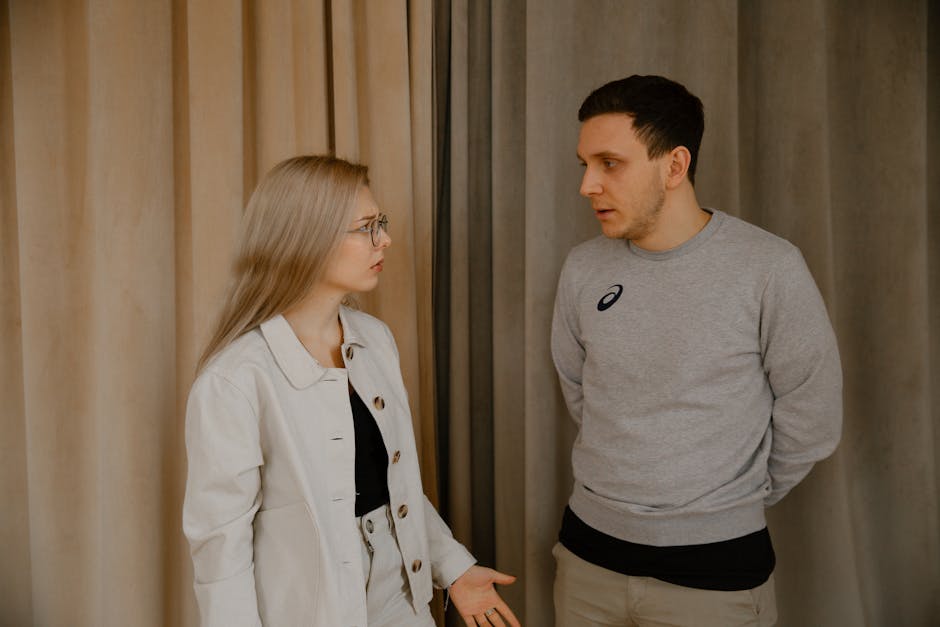
While enriching, cultural differences in relationships also present unique challenges. These can include common conflicts stemming from misunderstandings, external social pressure, and even discrimination.
Some research suggests that people in interracial or cross-cultural couples are more likely to report discrimination and negative interactions from friends and family compared to individuals in same-culture relationships. This points to the extra strain that external factors can place on cross-cultural partnerships.
Another pitfall is the well-intentioned, but ultimately harmful, concept of “colour blindness” or cultural blindness. Racial colour blindness, as defined in research by Apfelbaum, Norton, et al., is the belief that racial group membership should not be taken into account or even noticed as a strategy for managing diversity and intergroup relations. While it aims to promote equality, it can inadvertently deny a partner’s lived experiences and identity. Failing to recognise ethnic or cultural differences in a partner can ultimately be harmful, as denying cultural differences means denying individual identities and the partnership’s identity.
Acknowledging Differences Without Judgement
The first step in working through these challenges is to acknowledge cultural differences without judgement. This means moving beyond the idea that “my way is the right way” and adopting a stance of curiosity and openness. Ignoring culture often fails because it dismisses a fundamental part of who your partner is and how they experience the world. This can lead to a lack of validation, where one partner feels their experiences are not seen or understood.
Loyalty to one’s own culture can make it hard to genuinely understand someone else’s experiences. Instead of viewing differences as problems, try to understand how your partner’s lived experiences, shaped by their culture, influence how they move through the world. This fosters mutual understanding and respect. For many internationals in Barcelona, Madrid, Valencia or Málaga, therapy becomes a place where they can finally say these things out loud and be heard.
Dealing with External Pressures
External pressures, such as family disapproval or societal discrimination, can be particularly draining for cross-cultural couples. Dealing with family disapproval often requires a united front and clear communication about the couple’s commitment to each other, regardless of cultural background. This might involve setting boundaries with family members who are unsupportive or gently educating them about the partner’s culture.
Handling discrimination as a couple can involve supporting each other emotionally, advocating for the relationship, and choosing environments where you feel safe and accepted. Building a supportive social circle that celebrates your unique partnership is also vital. In diverse cities across Spain, such as Valencia, Málaga or Alicante, there are often strong international communities where couples can find understanding and solidarity.
Some couples find that working with a therapist who understands expat life and cross-cultural stress is helpful. While options like the public health system or large online therapy platforms exist, they may not offer the specialised support internationals need. These platforms often lack personalised therapist matching and can have ambiguous privacy policies. In contrast, Therapy in Barcelona guarantees strict client confidentiality, provides bespoke therapist matching to find the right fit for you, and offers culturally sensitive support from fellow expats who speak your language. Our focus is on internationals and their families, so we are used to hearing about cultural pressure, relocation stress, and feeling ‘in between’ worlds.
Practical Strategies for a Stronger Cross-Cultural Partnership
Building a strong cross-cultural partnership requires active effort, empathy, and a willingness to learn and adapt. The good news is that many practical strategies can help couples live well with their differences.
The Power of Open Communication in Bridging Cultural Divides
Open communication is the cornerstone of any successful relationship, but it’s especially important in cross-cultural partnerships. It means expressing needs clearly, actively listening to your partner without interruption or judgement, and asking curious questions to understand their perspective.
Consider the finding from one study that Chinese individuals preferred indirect communication more than European Americans, and that both groups anticipated greater relationship satisfaction when their partner used the culturally preferred mode of communication. This highlights that understanding how your partner prefers to communicate is just as important as what they are communicating.
When misunderstandings arise, instead of assuming ill intent, approach the situation with a desire to learn. Ask questions like, “Can you help me understand why you reacted that way?” or “What does that tradition mean to you?” This creates a safe space for dialogue. A couple from the BuzzFeed Community shared their rule: if what’s upsetting them is how something was said, they take time to identify the word or phrase and explain its context as they understand it, then listen to the other person’s explanation. This direct approach to communication helps bridge gaps.
If you find you repeat the same arguments, couples communication therapy can be helpful. At Therapy in Barcelona, many of our couples therapists draw on evidence-based approaches such as the Gottman Method or Imago Relationship Therapy to help partners understand patterns, improve communication, and rebuild trust.
Building a “Third Culture”: Creating Your Own Relationship Norms
A powerful strategy for cross-cultural couples is to consciously build a “third culture” within their relationship. This isn’t about one partner assimilating entirely into the other’s culture, nor is it about living in perpetual compromise where both feel they’ve lost something. Instead, it’s about actively defining your shared values, blending traditions, and creating new rituals that are unique to your partnership.
This “third culture” can show up in many ways:
- Shared Values: Discuss what core principles are most important to both of you, beyond cultural origins. For example, a couple might decide that respect, kindness, and open-mindedness are their foundational values.
- Blended Traditions: Incorporate elements from both cultural backgrounds into your daily life and special occasions. For example, Cynthia Cheng Mintz, a Canadian-born Hong Konger married to an Ashkenazi Jewish husband, incorporated both their cultures into their wedding. Similarly, Mary Chan, a Canadian Chinese woman married to a Canadian Ukrainian man, celebrates both cultures through food and gatherings, teaching her children about multiple identities.
- New Rituals: Create entirely new traditions that reflect your unique journey as a couple. This could be a special way you celebrate anniversaries, a unique family meal, or a shared hobby that becomes a ritual.
Creating this blended identity fosters mutual respect and allows both partners to feel seen, valued, and connected. It’s an ongoing process of negotiation and adaptation, but it can result in a rich, unique family culture that is stronger for its diversity.
When to Seek Professional Support
Even with the best intentions and strategies, working through cultural differences in relationships can be challenging. Sometimes, persistent conflict, feelings of being misunderstood, cultural adjustment stress, or loneliness can become overwhelming. This is when seeking professional support can be helpful.
Couples therapy offers a safe and neutral space to explore these complex dynamics. A therapist can help facilitate open communication, teach conflict resolution skills, and provide tools to understand each other’s cultural perspectives more deeply. As one client shared, their therapist asked the right questions to both of them and moderated their conversations, leading to active listening and more understanding. This kind of guided intervention can help couples break free from negative communication loops.
There are different ways to access support. Some people work with clinicians in the public health system in Spain, while others try large online platforms. These options can be a good starting point, but they may not always offer the expat-focused, multilingual, and culturally sensitive support that many international couples look for. Furthermore, large platforms can lack personalised therapist matching and may have unclear policies on client data privacy.
Therapy in Barcelona was created to fill this specific gap. Founded by Leigh Matthews, an Australian Psychologist who has been in Barcelona since 2011 and has long experience supporting internationals, our group practice brings together psychology-trained therapists who are also expats. We work with adults, couples, teens, and families. Many of our therapists offer sessions in English, and some also work in German, French, Spanish, Portuguese, Afrikaans, Austrian-German and Swiss-German.
We offer personalised therapist matching, so you and your partner are paired with a professional whose expertise and approach align with your specific needs. As a private practice, we also guarantee strict client confidentiality and privacy. Our therapists draw on a range of evidence-based approaches, including CBT (Cognitive Behavioural Therapy), ACT (Acceptance and Commitment Therapy), Schema Therapy, Ego-State Therapy, Systemic, Psychodynamic, DBT (Dialectical Behaviour Therapy), Mindfulness-based approaches like MBSR, Narrative Therapy, Somatic therapies, Interpersonal Therapy, Gestalt Therapy, Art Therapy, Existential approaches and Somatic IFS. For couples, many of our therapists use the Gottman Method or Imago Relationship Therapy.
We work both online with clients worldwide and face to face in our Barcelona offices. We are a trusted practice in Spain and have been supporting internationals since 2011.
If you’d like support, book a Free Discovery Call. We’ll help you work out whether individual or couples therapy might be most helpful, and match you with a therapist who understands both your story and your cultural context.
Frequently Asked Questions about Cultural Differences in Relationships
How can we handle disagreements about raising bicultural children?
Raising bicultural children is an opportunity to expose them to a rich mix of traditions, values, and languages. Disagreements are normal and often stem from each parent’s desire to pass on their own heritage. The best approach is open communication and compromise. Discuss which traditions and values are non-negotiable for each of you and where you can blend or alternate. Create your “third culture” for your family, deciding together which elements to prioritise, adapt, or create anew. This might involve speaking multiple languages at home, celebrating holidays from both cultures, or creating unique family rituals that honour both backgrounds.
My partner’s family is too involved. How do I set boundaries without being disrespectful?
This is a common challenge, particularly when one partner comes from a more collectivist culture. The key is to address it as a united front with your partner. First, discuss with your partner how much involvement feels comfortable for both of you. Then, work together to communicate these boundaries respectfully to family members. Your partner, being from that culture, can often best mediate these conversations. Frame boundaries as ways to strengthen your core relationship, rather than as a rejection of family. For example, instead of saying “Your mother is too much,” say “We need to make sure we have enough private time as a couple, so we’re going to limit family visits to once a week.” Patience and consistency are crucial.
Is it normal to feel like I’m losing my own cultural identity in my relationship?
Yes, it is absolutely normal to feel this way. When you merge your life with someone from a different culture, there’s a natural process of adaptation and negotiation. Sometimes, this can feel like you’re losing a part of yourself, especially if you’re living in your partner’s home country or if their culture is more dominant in your shared life. It’s important to acknowledge these feelings and communicate them to your partner. Actively seek ways to maintain your own cultural connections—through friends, community groups, language, food, or traditions. A supportive partner will understand and help you make space for your cultural identity within the relationship.
Conclusion
Working through cultural differences in relationships is a deep process, filled with both challenges and real rewards. These differences shape communication, family expectations, gender roles, and core values. While they can lead to misunderstandings and external pressures, they also offer opportunities for personal growth, deeper empathy, and the creation of a unique and resilient partnership.
Embracing diversity, practising open communication, and actively building a “third culture” together are powerful ways to bridge any gaps. Understanding your own cultural lens and making a conscious effort to learn about your partner’s world are not just strategies, but acts of care.
You don’t have to manage this alone. If you’d like support with the challenges of your cross-cultural relationship—whether you’re in Barcelona, Madrid, Valencia, Málaga or further afield—book a Free Discovery Call with our team. We offer sessions online worldwide and in our Barcelona offices. Our psychology-trained therapists are ready to help you build a more harmonious and fulfilling future together.
