


Understanding Childhood Anxiety: More Than Just Worry
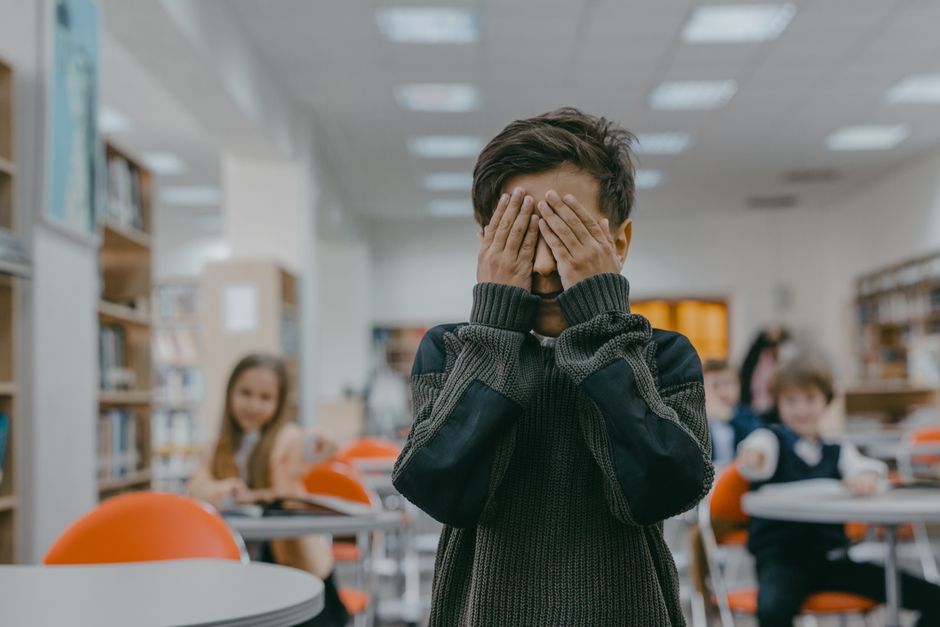
Anxiety management for children is crucial as up to 1 in 5 children will develop what healthcare providers consider anxiety disorders. If you’re looking for immediate strategies to help an anxious child, consider these evidence-based approaches:
| Quick Anxiety Management Strategies | How They Help |
|---|---|
| Deep breathing exercises | Activates the calming parasympathetic nervous system |
| Grounding techniques (5-4-3-2-1) | Returns focus to the present moment |
| Validation without reinforcement | Acknowledges feelings without amplifying fears |
| Consistent exposure to fears | Builds confidence through gradual mastery |
| Regular sleep, exercise & nutrition | Strengthens physical foundations for emotional regulation |
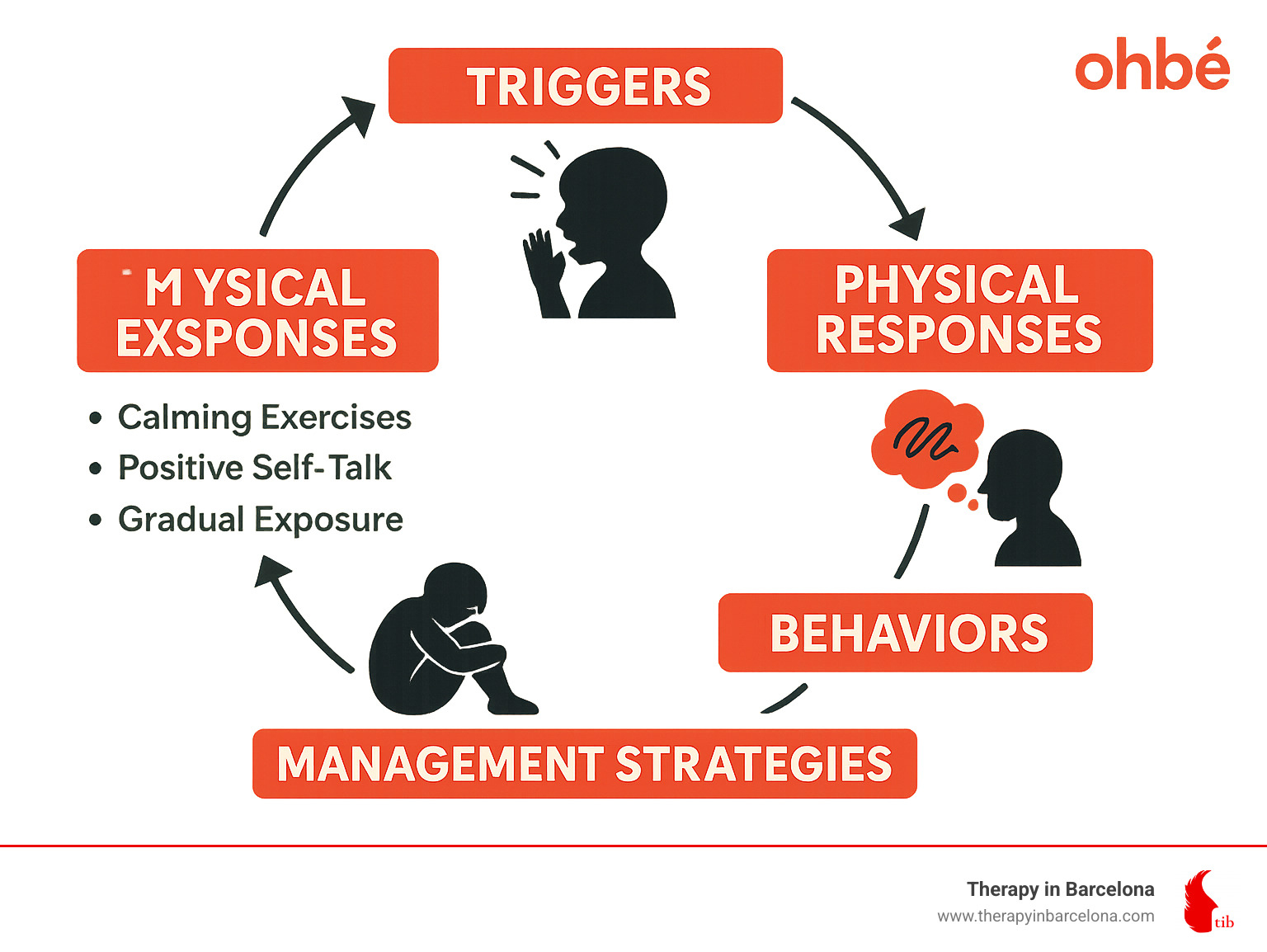
When a child feels anxious, their body enters “fight-flight-freeze” mode – a natural response designed to protect them from danger. Their heart races, breathing quickens, and muscles tense. This physical reaction can be overwhelming and confusing for children who don’t understand what’s happening in their bodies.
“Anxiety is a normal reaction to stress and can even protect children from danger — but when it becomes excessive, it can interfere with daily life,” explains Leigh Matthews, founder of Therapy in Barcelona. “The goal isn’t to eliminate anxiety completely, but to help children learn to manage it effectively.”
For international families, anxiety in children can be amplified by additional stressors like language barriers, cultural adjustment, and disrupted social connections. Children may struggle to articulate these complex feelings, instead showing physical symptoms like stomach aches, headaches, or sleep problems.
Think of your child’s capacity for stress like a bucket. Everyone’s bucket has a different size, and various factors – from genetics to life experiences – influence how quickly it fills up. When supporting an anxious child, the goal is to both reduce what goes into the bucket and create healthy outlets to empty it.
Understanding Child Anxiety vs Everyday Worry
Monsters under the bed, first-day jitters, worry about making friends – these fears are all part of growing up. Every child experiences worry at times, and most of these concerns naturally fade with reassurance and support. But when do normal childhood worries cross the line into something that needs more attention?
Anxiety in children shows up differently than in adults. It’s considered an internalising disorder, which means symptoms often turn inward as nervous feelings, excessive worries, and physical complaints. Unlike adults who might directly say “I’m feeling anxious,” children typically express their anxiety through their behaviors – becoming clingy, irritable, or avoiding situations that make them uncomfortable.
“Children don’t always have the vocabulary to express complex emotions like anxiety,” explains Leigh Matthews, founder of Therapy in Barcelona. “Instead, they show us through their bodies and behaviours that something doesn’t feel right.”
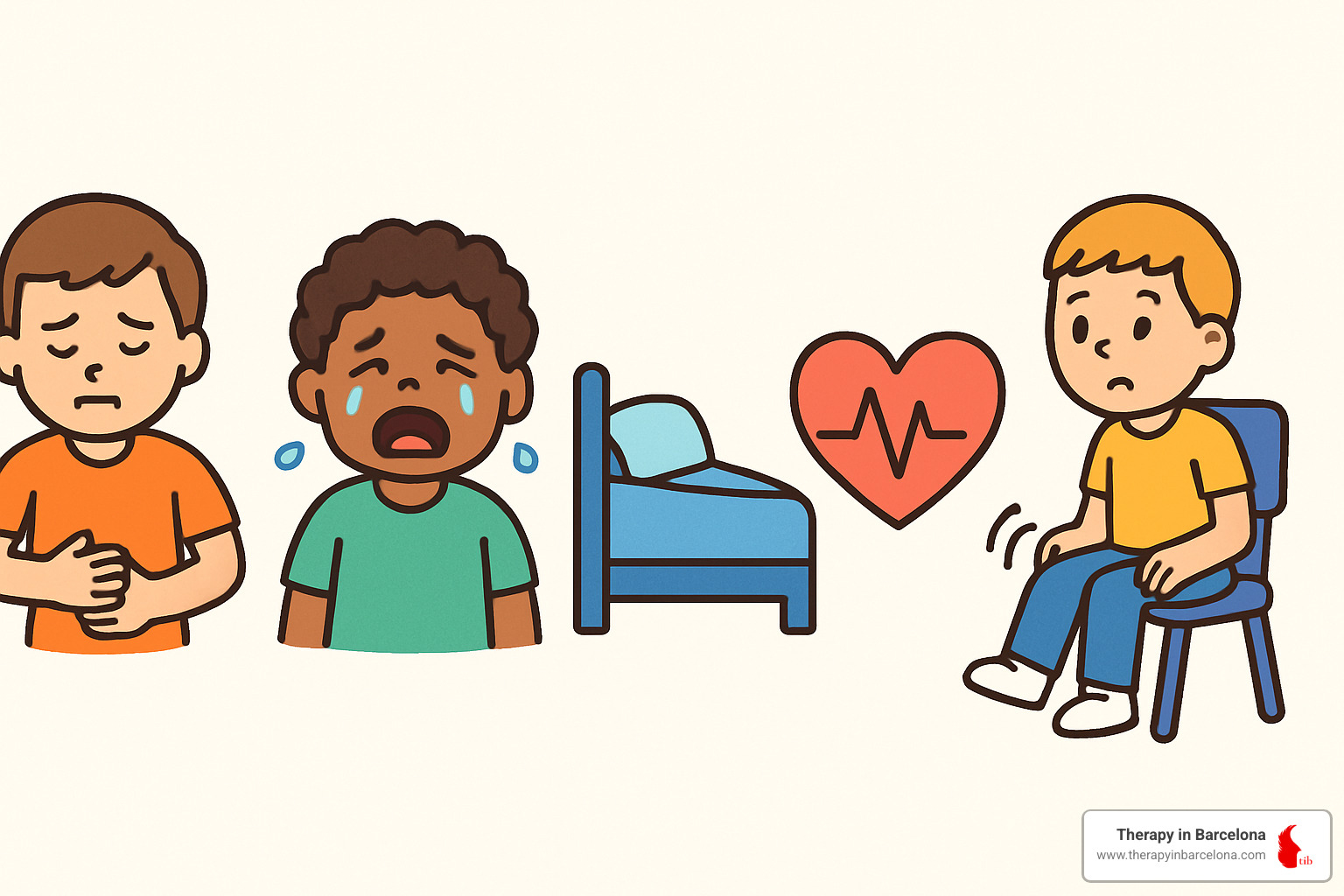
Watch for these physical signs that might signal anxiety rather than typical worry: frequent stomach aches or headaches with no medical cause, trouble falling or staying asleep, nightmares, bedwetting in previously dry children, or muscle tension and fidgeting that seems excessive or constant.
Emotional and behavioral clues are equally important to notice. Your child might become tearful or irritable over seemingly small issues, have meltdowns that seem out of proportion, refuse school or activities they previously enjoyed, or constantly seek reassurance with questions like “Are you sure you’ll pick me up?” or “What if something bad happens?”
For international families in Barcelona and beyond, children face additional layers of potential stress – navigating new languages, cultures, and social norms while rebuilding friendship circles. These circumstances can amplify anxiety symptoms in children who might otherwise adapt easily to change.
The key is noticing what’s typical for your child versus what feels “stuck” or persistent. Occasional worries about a test are normal; refusing to go to school for weeks is not. Temporary nervousness about a performance makes sense; constant fear of making mistakes suggests something deeper.
For more evidence-based information about childhood anxiety, see Scientific research on child anxiety.
Why Early Awareness Matters in Anxiety management for children
Catching anxiety early can prevent it from growing into a bigger problem. Research consistently shows that children who receive support for anxiety symptoms early often develop stronger coping skills and experience less interference with their development.
The body-mind connection is particularly powerful in children. When kids learn to recognize their body’s anxiety signals – like a racing heart, “butterflies” in the stomach, or shaky hands – they can begin using calming strategies before anxiety spirals. This awareness helps them build a foundation for lifelong emotional regulation.
Validation is crucial when supporting an anxious child. Simply acknowledging their feelings with statements like “I can see this is really hard for you” helps them feel understood rather than dismissed. This validation doesn’t reinforce the anxiety but gives children permission to work through their feelings rather than hiding them.
Parent modeling matters too. When parents demonstrate calm responses to stress and healthy coping strategies, children learn by example. As one parent at Therapy in Barcelona shared, “When I started taking deep breaths during my own stressful moments, my daughter naturally began doing the same when she felt overwhelmed.”
Early intervention doesn’t mean your child needs intensive therapy at the first sign of worry. Often, it simply means creating space for their feelings, teaching simple coping skills, and knowing when additional support might benefit your family.
Anxiety management for children: Spot the Signs Early
Children rarely walk up to us and say, “I think I have anxiety.” Instead, anxiety often hides behind behaviors that might seem like something else entirely. As parents, especially in an international setting, knowing what to look for can make all the difference.
Nighttime clinginess often serves as one of the first signs. Your once-independent child might suddenly plead, “Don’t leave!” at bedtime, or wake frequently seeking reassurance. This change in behavior, especially when persistent, deserves attention.
School refusal is another red flag that’s particularly common among international children adjusting to new environments. A child who previously enjoyed school might suddenly develop mysterious illnesses every morning, or become tearful and resistant at drop-off.
“My stomach hurts” – these words often signal more than just physical discomfort. Unexplained physical complaints without medical cause frequently mask anxiety, especially when they follow patterns (appearing before certain activities or social situations).
Emotional outbursts that seem disproportionate to the situation might indicate an overwhelmed nervous system. When your child shows increased irritability, tearfulness, or angry outbursts over seemingly small matters, anxiety might be the underlying cause.
Constant reassurance seeking is another classic sign. Questions like “Will you definitely be there?” or “Are you sure everything will be okay?” reveal the uncertainty an anxious child feels about their world.
Consider “Emily,” an 8-year-old international student in Barcelona. After changing schools mid-year, she began complaining of headaches every morning. Her parents noticed she became tearful at drop-off and clung to them desperately, despite having previously loved school. By recognizing these behaviors as possible signs of anxiety rather than just “adjustment difficulties,” her parents sought help early, preventing her situation from escalating into severe school refusal.
Red Flags That Signal Professional Help in Anxiety management for children
While many childhood worries pass with time and supportive parenting, certain signs indicate it’s time to seek professional guidance:
When symptoms persist for more than six months, this duration suggests the anxiety has become entrenched rather than situational.
If anxiety begins to disrupt daily functioning – affecting school attendance, friendships, sleep patterns, or family dynamics – professional support becomes essential.
Panic attacks or episodes of overwhelming, uncontrollable fear require professional attention, as these intense experiences can be particularly frightening for children and parents alike.
When a child withdraws from activities they previously enjoyed, or when their world becomes increasingly smaller due to avoidance behaviors, therapy can help reverse this narrowing of experience.
Any expressions of hopelessness or thoughts of self-harm require immediate professional intervention. Safety always comes first.
Seeking help early for anxiety management for children can prevent more serious problems from developing. For international families in Barcelona, finding culturally sensitive support that understands the unique pressures of expatriate life can make all the difference in your child’s wellbeing.
Strategy 1 – Create a Calm-Down Toolkit
Picture giving your child their very own “anxiety-busting toolbox” – a collection of simple strategies they can reach for whenever big feelings start to bubble up. Research consistently shows that having concrete coping tools helps children feel empowered rather than overwhelmed when anxiety strikes.
“When children have practical strategies at their fingertips, they develop confidence in their ability to manage anxiety rather than being controlled by it,” explains Leigh Matthews, founder of Therapy in Barcelona. “These tools become like trusted friends they can turn to in difficult moments.”
Your child’s calm-down kit might include several sensory and comforting items:
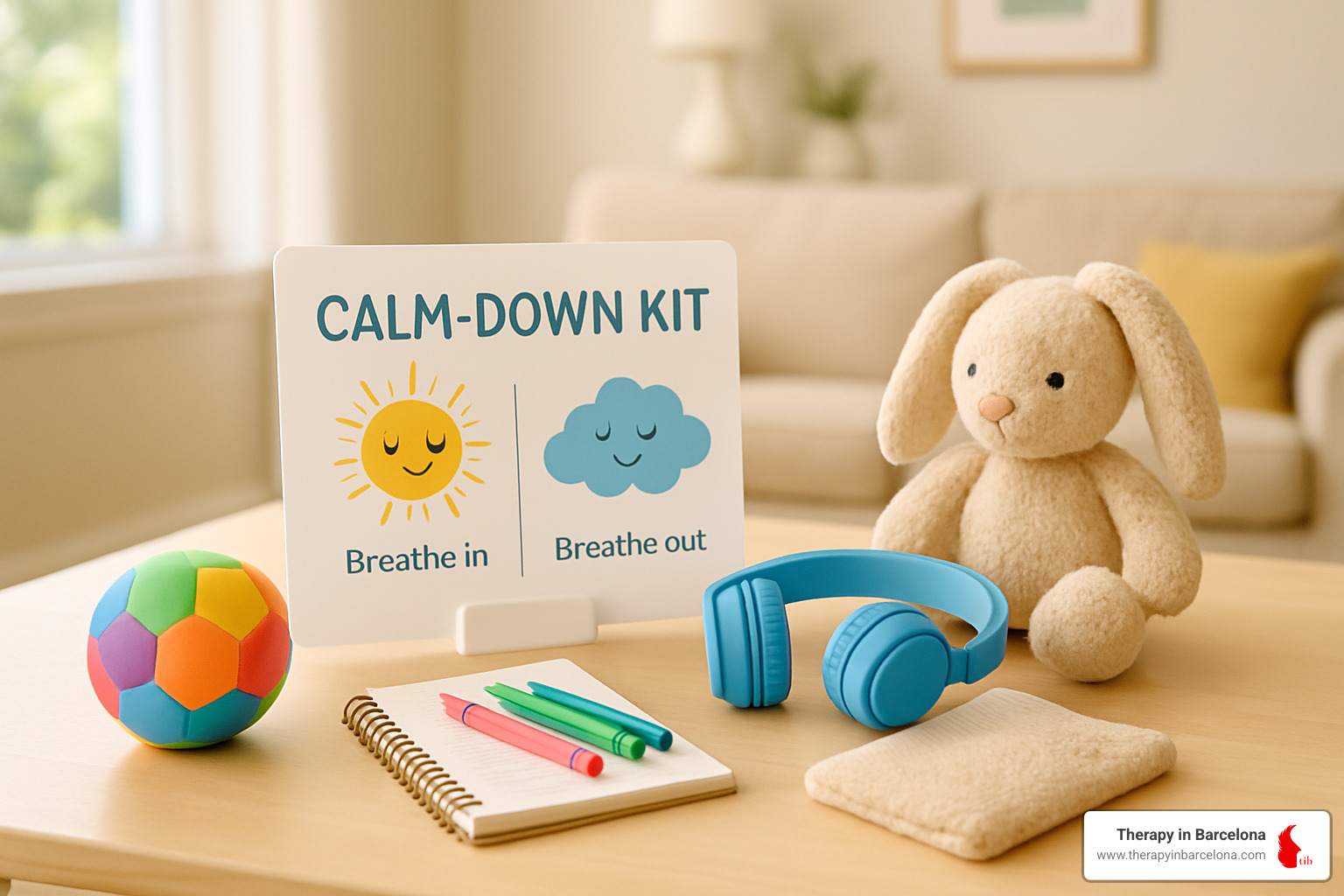
A stress ball or fidget toy gives restless hands something to do, channeling nervous energy. Visual cue cards with simple reminders like “breathe deeply” provide gentle guidance when your child’s mind feels scattered. A favourite soft toy or worry stone offers tactile comfort, while headphones with calming music can create an instant sanctuary anywhere.
For expat children facing additional layers of stress – like navigating new languages or cultural differences – having a small notebook to draw or write worries can be especially helpful. Adding familiar scents like lavender hand lotion or a list of safe place imagery provides sensory anchors when everything else feels unfamiliar.
The 5-4-3-2-1 grounding technique works wonders for children caught in anxious thoughts. It’s beautifully simple: name 5 things you can see, 4 things you can touch, 3 things you can hear, 2 things you can smell, and 1 thing you can taste. This exercise gently pulls attention back to the present moment, interrupting the anxiety cycle.
For more inspiration, check out this big list of coping skills or try our guided Mindfulness for Anxiety and Stress: A Guided Meditation.
Mini-Tools Children Can Use Anywhere
Some of the most effective anxiety management for children strategies are the simplest ones that require no special equipment:
Belly breathing transforms abstract breathing instructions into something tangible – place a soft toy on your child’s tummy and watch it rise and fall with each deep breath. This visual feedback helps children understand what “breathing deeply” actually means.
Sensory cards with pictures like “smell the flower, blow out the candle” provide visual prompts for breathing exercises. For international children, these visual cues work across language barriers, making them especially valuable.
Worry stones – smooth objects that can be rubbed when anxious – offer discreet comfort during challenging situations like school presentations or social gatherings.
“The key is introducing these tools during calm moments,” advises Leigh Matthews. “Make it playful – practice when everyone’s relaxed, not during a meltdown. That way, when anxiety does strike, these skills are already familiar friends, not strange new concepts.”
Strategy 2 – Practice Brave Exposure Steps
It’s natural to want to protect your child from whatever makes them anxious—after all, no one likes to see their little one distressed. But in anxiety management for children, avoidance can quietly let worries grow larger behind the scenes. The real magic happens when children learn, with gentle support, to face their fears bit by bit.
Imagine your child’s worry as a ladder. At the very top sits their biggest challenge—maybe speaking in front of the class, or sleeping alone in a new home. At the lowest rung, there’s something just a little bit uncomfortable, like saying hello to a classmate or keeping a nightlight on instead of the main light. Rather than leaping to the top, brave steps start from the lowest rung. Taking each step, pausing to celebrate small victories, and moving up at their own pace helps children see that their worries don’t have the final say.
Role-play at home is a gentle way to practice tricky situations together. Before your child tries something out in the real world, you might act out ordering food at a café or saying “hello” to a new friend together. With you by their side, those first steps feel a little less daunting.
Let’s look at what happens if we avoid versus what happens if we try brave exposure:
| Avoidance | Gradual Exposure |
|---|---|
| Short-term relief, but fear stays the same or grows | Confidence grows as child learns “I can handle it” |
| Miss out on activities, friendships, growth | More participation, pride, and independence |
| Anxiety controls choices | Child gains sense of mastery |
If you want more insights into how anxiety feels for children, Feelings of Anxiety offers practical tips and relatable stories.
Turning “What if?” into “I can”
Anxious thoughts in children often begin with “What if…?” For example, “What if nobody sits with me at lunch?” or “What if I get something wrong and everyone laughs?” One way to build resilience is to help your child develop “I can” statements. Instead of letting the “what ifs” take the lead, encourage phrases like, “I can ask someone to sit with me,” or “I can take a deep breath and try my best.”
Bravery charts and sticker rewards make courage visible and effort meaningful—sometimes, a shiny star or a little praise can make a world of difference. Focus on celebrating effort, not just results: “You tried something new today, and that’s brave!” Each attempt is a stepping stone—no perfection required.
As Leigh Matthews, founder of Therapy in Barcelona and a seasoned psychologist supporting expat families, reminds us: “Progress is what matters. Every rung climbed, no matter how small, is a win in the journey of anxiety management for children.”
By making bravery a team effort, with you cheering from the sidelines, children find they’re stronger than their worries let them believe.
Strategy 3 – Strengthen Lifestyle Foundations
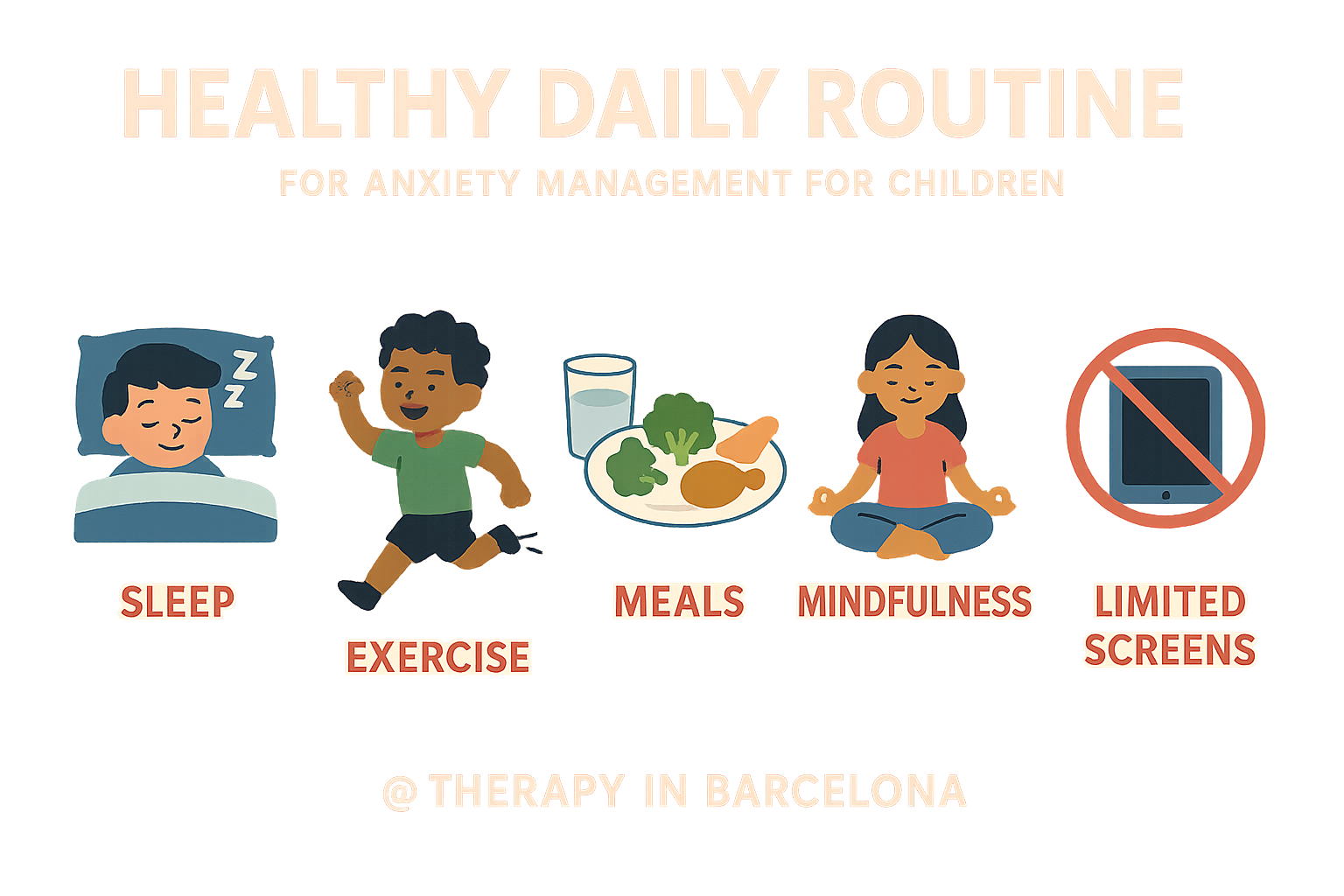
When it comes to anxiety management for children, sometimes the quiet heroes are the basics: sleep, movement, food, and a little bit of peace. It’s easy to overlook these staples when you’re tackling big feelings, but they’re often the first building blocks for building emotional resilience—especially for expat families adjusting to new routines in Barcelona or beyond.
Let’s start with sleep. For school-aged children, getting a solid 9–12 hours each night (and 8–10 for teens) isn’t a luxury—it’s a need. Sleep gives young brains the chance to process the day’s worries and reset. If your child’s anxiety is peaking, sometimes the gentlest interventions are a calming bedtime routine and a regular schedule.
Next up is movement. The research is clear: at least 60 minutes of physical activity a day—whether that’s cycling down a Barcelona street, dancing in the lounge room, or just kicking a ball around—helps burn off anxious energy and lifts mood. Don’t underestimate the power of a little sunshine and fresh air, either.
Fuel matters too. A balanced meal—think colourful vegetables, fruits, grains, and plenty of protein—keeps energy stable and prevents those mid-morning crashes or cranky afternoons. For many international families, adapting to new foods and mealtime customs can add a layer of stress, but keeping meals predictable and nourishing helps everyone feel grounded.
Screen time, especially before bed, is another factor worth monitoring. Try setting gentle boundaries around devices—maybe a “tech-free” wind-down before bedtime, or a family media plan you all create together. Not only does this protect sleep, but it also helps anxious children step away from the constant buzz and information overload.
And let’s not forget mindfulness breaks. Just a few minutes of deep breathing, stretching, or tuning in to the senses can “reset” a stressed nervous system. These moments don’t need to be perfect or formal—a quick pause after school, a little stretching before dinner, or even a shared mindful moment during the day can make a difference.
If you’re curious about why exercise is so powerful for mood, take a look at Scientific research on exercise & mood.
Family Habits that Buffer Anxiety
Children are at their best when life feels somewhat predictable. Simple routines, like a family meal each night or a Saturday morning walk to the bakery, can create a sense of stability and safety—especially important for children navigating big changes or a new country.
You might find it helpful to create a family media plan together: decide when screens go off and what activities help everyone unwind. Shared relaxation time—colouring together, reading stories, or listening to music as a family—can buffer the whole household against stress.
Don’t underestimate the power of modelling, either. When parents demonstrate their own ways of coping with stress (even if it’s just taking a few deep breaths when things get tough), children learn by example.
A little structure—a regular sleep schedule, consistent meals, gentle boundaries around screens, and a sprinkle of fun—goes a long way in keeping that anxiety “bucket” from overflowing. And if you or your family ever need support, the culturally sensitive team at Therapy in Barcelona is always here to walk alongside you, wherever you are on your expat journey.
Strategy 4 – Team Up with School & Community
School can often be where a child’s anxiety peaks – especially for international families. Between navigating new social dynamics, academic expectations, and unfamiliar routines, the classroom can quickly become overwhelming. For expat children, these challenges are magnified by language barriers and cultural differences.
Building a strong partnership with your child’s teachers and school staff can make all the difference. Consider scheduling a meeting to share what helps your child manage anxiety and discuss reasonable supports that might include:
- A “safe space” pass that allows your child to take a brief break when feelings become overwhelming
- Peer buddies or mentoring to help foster social connections
- Flexible deadlines or extra transition time between activities
- Clear communication channels and anti-bullying strategies
“When schools and families work as a team, we see anxiety symptoms decrease much more quickly,” explains Leigh Matthews of Therapy in Barcelona. “Children feel safer when they know all the adults in their life are working together.”
Digital tools can complement school-based support. Apps can offer helpful exercises for managing anxiety in educational settings, with techniques children can practice during breaks or before stressful situations.
Helping Staff Support Anxiety management for children
If your child’s anxiety significantly impacts their learning, you might consider requesting formal accommodations. Depending on your location, this might include an Individualised Education Plan (IEP) with specific supports like:
Reduced homework during particularly stressful periods Modified seating arrangements to reduce social anxiety triggers Gradual return plans if school refusal has become an issue
Most teachers genuinely want to help but may not know exactly how. Offering specific, practical suggestions based on what works at home can bridge this gap. For example, sharing that your child responds well to a five-minute warning before transitions or benefits from writing down worries can give teachers actionable strategies.
“The key is ongoing communication,” says Leigh. “You know your child best, and teachers know the classroom environment. When you combine these perspectives, you create the strongest support system for an anxious child.”
For international families in Barcelona, Therapy in Barcelona can help facilitate school communications and provide culturally-sensitive recommendations that work within both the Spanish or Catalan educational system and your child’s individual needs.
Strategy 5 – When and How to Seek Professional Support
Sometimes, despite your best efforts with home and school strategies, your child’s anxiety may need more specialized help – and that’s absolutely okay. Anxiety management for children often benefits from professional support, and seeking help early can make a world of difference.
Pediatricians now recommend regular anxiety screening for children ages 8-18, much like checking vision or hearing. If your child’s worries persist for more than a few weeks, worsen over time, or significantly impact their daily life, it’s probably time to reach out to a mental health professional.
“Many parents worry they’ve somehow failed if their child needs therapy,” says Leigh Matthews, founder of Therapy in Barcelona. “But getting skilled help early is actually one of the most loving things you can do – it’s like teaching a child to swim rather than hoping they’ll never encounter deep water.”
Several evidence-based therapies have proven especially effective for anxious children:
Cognitive Behavioural Therapy (CBT) or Rational Emotive Behavioural Therapy (REBT) helps children recognize and challenge anxious thoughts while building practical coping skills. It’s like giving your child a mental toolkit they can use throughout life. Learn more about CBT for Kids: How It Works and Why It Matters.
Parent coaching equips you with strategies to support your child between sessions, reinforcing new skills in real-life situations.
Play therapy uses creative activities, art, and storytelling to help younger children express and process feelings they might not have words for yet.
For moderate-to-severe anxiety that doesn’t respond to therapy alone, medication (typically SSRIs) might be considered – always alongside therapy and under careful medical supervision.

Finding the right therapist fit is crucial – someone your child feels comfortable with and who understands their unique needs.
Finding Culturally Sensitive Care for Expat Families
For international families, anxiety management for children comes with additional layers – navigating unfamiliar healthcare systems, potential language barriers, and finding professionals who truly understand the unique stressors of expat life.
“When a child is already anxious, the last thing they need is to feel misunderstood by the very person meant to help them,” explains Matthews. “Having a therapist who ‘gets’ the expat experience can make all the difference.”
For families in Barcelona or those seeking online support worldwide, Therapy in Barcelona specializes in matching international families with English-speaking therapists who understand the complexities of raising children across cultures. Many of our therapists are multilingual and have lived the expat experience themselves, bringing both professional expertise and personal understanding to their work with anxious children.
Remember – reaching out for professional support isn’t a sign of parenting failure. Rather, it shows tremendous courage and commitment to your child’s wellbeing, giving them tools that will serve them throughout life.
Frequently Asked Questions about Child Anxiety
What’s the Difference Between Shyness and Social Anxiety?
Many parents wonder if their quiet child is simply shy or experiencing something more serious. The difference is meaningful: shyness is a personality trait that many children (and adults!) naturally have. A shy child might be reserved in new situations but warms up over time without significant distress.
Social anxiety, however, involves intense fear of judgment or embarrassment that causes real suffering. A child with social anxiety might refuse birthday parties they’d actually enjoy, avoid raising their hand despite knowing the answer, or experience physical symptoms like stomachaches before social events.
“We never want to pathologize a child’s natural temperament,” explains Leigh Matthews. “But when fear begins preventing a child from activities they would otherwise enjoy, or causes significant distress, it’s worth looking deeper.”
How Long Should We Try Home Strategies Before Seeking Help?
This is one of the most common questions parents ask, and the answer depends on several factors. As a general guideline, if you’ve been consistently implementing home strategies for 2-3 months without seeing improvement—or if your child’s anxiety is actually worsening—it’s time to consult a professional.
Trust your parental instinct here. You know your child best. If anxiety is:
- Interfering with sleep, school, or friendships
- Causing significant distress
- Leading to avoidance of important activities
- Getting worse despite your best efforts
Don’t wait—early support makes a tremendous difference. For international families, finding culturally sensitive care that understands both your child’s anxiety and the unique stressors of expat life can be especially valuable.
Are Anxiety Medications Safe for Children?
Medication for childhood anxiety (usually SSRIs—selective serotonin reuptake inhibitors) can be effective for severe cases, but it’s not typically the first line of treatment. Most mental health professionals recommend starting with therapy, particularly cognitive-behavioral approaches, which have strong evidence for effectiveness.
If medication is considered, it should be:
- Prescribed by a specialist with pediatric experience
- Carefully monitored for side effects
- Used in combination with therapy, not as a standalone treatment
- Discussed thoroughly with parents, with all benefits and risks explained
“Medication decisions should never be taken lightly,” says Matthews. “But in some cases, medication provides the support a child needs to engage effectively in therapy and learn the skills that will help them long-term.”
For expat families, navigating medication decisions can be extra challenging when healthcare systems differ from those in your home country. A culturally sensitive provider can help bridge this gap, explaining local approaches while respecting your family’s values and concerns.
Anxiety management for children is most effective when approached holistically—combining supportive parenting, skill-building, healthy lifestyle habits, and professional guidance when needed.
Conclusion
Helping a child manage anxiety isn’t a quick fix—it’s a journey you take together, hand in hand. Like building any muscle, courage grows stronger with practice. Each small step forward, each tiny victory over fear, adds up to something remarkable: a child who knows they can face challenges.
What makes this journey so powerful is that it’s truly a team effort. When you sit beside your child, breathing deeply together during a moment of panic, or celebrate their bravery in trying something scary, you’re not just helping them through today’s worry—you’re building skills they’ll carry for life.
Early support makes all the difference. Children who learn to manage anxiety when they’re young develop resilience that serves them well into adulthood. They find that feelings, even big overwhelming ones, can be worked through rather than avoided.
Though, that you don’t need to walk this path alone. Whether you’re an international family adjusting to life in Barcelona, Madrid, Alicante, or anywhere in Spain, Therapy in Barcelona’s team understands the unique challenges expat families face. Our culturally sensitive, English-speaking therapists offer support both in-person and online, creating a safe space for your child to grow their bravery.
For more information about our child therapy services, specially custom for expat families, visit Child Therapy Barcelona.
Let’s build brave hearts together—one deep breath, one small step, one moment of courage at a time.
If you or your child are experiencing a crisis, contact 061 or your local hospital emergency department immediately.
