Cultural Adaptation in Therapy: Making CBT Work for Everyone

Cultural adaptations of cognitive behavioral therapy (CBT) are crucial in today’s multicultural societies. With the growing diversity in places like Barcelona, therapy must evolve to effectively help people from various backgrounds.
- What are cultural adaptations?
- Modifying CBT practices to align with different cultural beliefs and practices.
- Ensuring therapy is relevant and respectful of cultural differences.
- Why are they important?
- Improves effectiveness and accessibility for diverse groups.
- Reduces health disparities by providing equitable care.
- Key components:
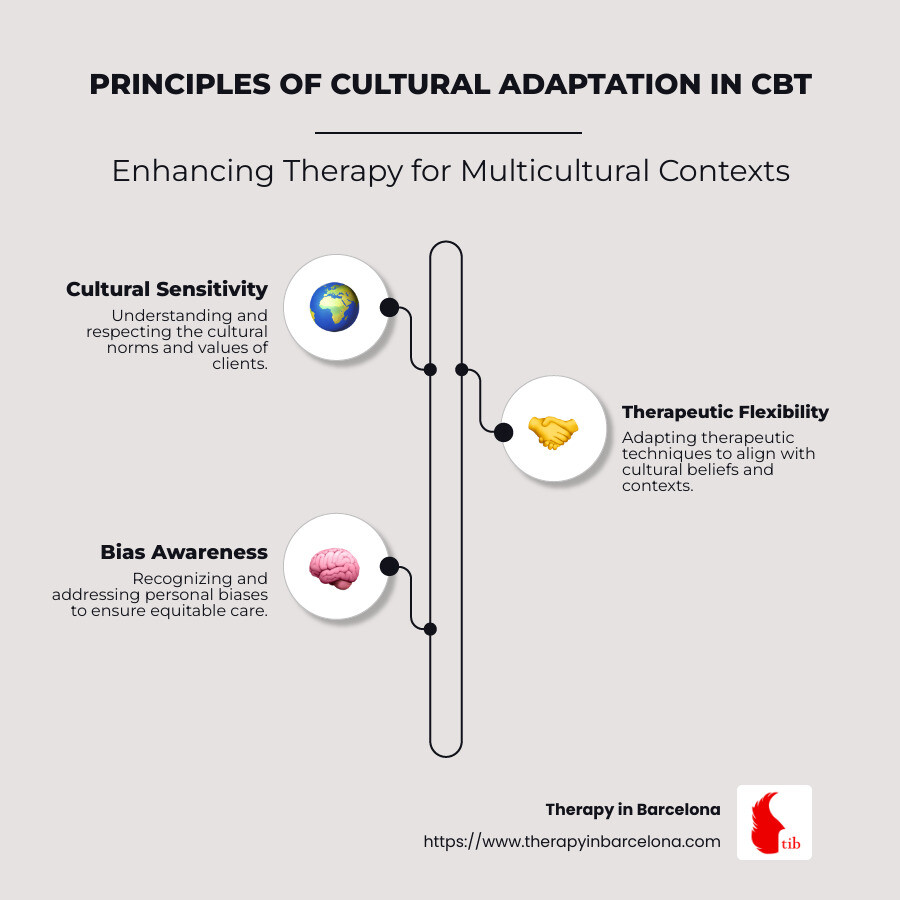
- Sensitivity to cultural norms.
- Flexibility in therapeutic approaches.
- Awareness of personal biases.
Adapting CBT for multicultural contexts involves understanding and respecting cultural values to improve therapy outcomes for diverse groups like expats facing cultural and language challenges.
I am Leigh Matthews, a psychologist and the founder of Therapy in Barcelona. With experience in the cultural adaptations of cognitive behavioral therapy, I lead a team dedicated to delivering culturally sensitive mental health support to individuals from around the world.
Understanding Cultural Adaptations of Cognitive Behavioral Therapy
Cultural adaptations of cognitive behavioral therapy (CBT) are essential for effectively addressing mental health issues in diverse populations. In multicultural cities like Barcelona, it’s crucial to tailor therapy to meet the unique needs of individuals from various cultural backgrounds.
Addressing Anxiety and Depressive Disorders
Anxiety disorders and depressive disorders are common mental health challenges worldwide. However, the way these disorders manifest can vary greatly across different cultures. This is where cultural adaptations come into play.
Cultural adaptation involves modifying standard CBT practices to better suit the cultural context of the client. This includes considering cultural beliefs, values, and practices that influence how individuals experience and express anxiety and depression.
For example, in some cultures, expressing emotional distress verbally might be uncommon. Therapy can be adapted to incorporate non-verbal methods or culturally specific expressions of distress.
The Transdiagnostic Model
The transdiagnostic model offers a framework for understanding how anxiety and depressive symptoms are influenced by cultural factors. This model looks at common underlying processes across different disorders rather than focusing on a single diagnosis.
Cultural influences play a significant role in shaping these processes. They can affect how symptoms are perceived and how individuals cope with them.
By using a transdiagnostic approach, therapists can develop interventions that are flexible and applicable to a wide range of cultural contexts.
Why Cultural Adaptation Matters
Cultural adaptation is not just about translation or superficial changes. It’s about making deep, meaningful adjustments to therapy practices to ensure they are culturally relevant and effective.
- Improved outcomes: Research shows that culturally adapted CBT can lead to better outcomes for individuals from ethnic minority groups.

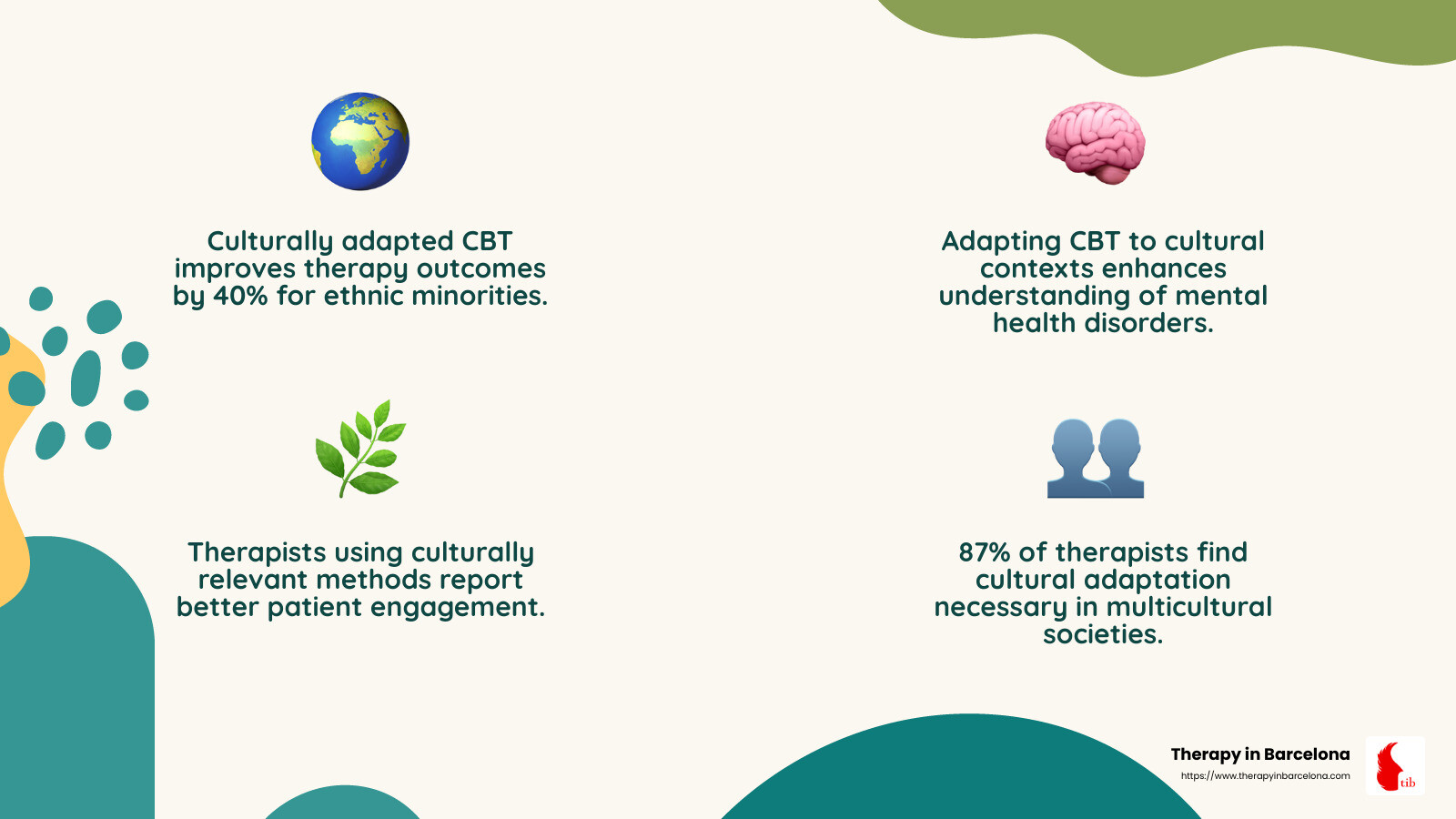
- Improved engagement: When therapy resonates with a client’s cultural experiences, they are more likely to engage and benefit from the process.
By understanding and implementing cultural adaptations, therapists can provide more effective support to individuals experiencing anxiety and depressive disorders, ensuring that therapy is both accessible and impactful for everyone, regardless of their cultural background.
Key Principles of Culturally Adapted CBT
Culturally adapted cognitive behavioral therapy (CBT) involves more than just minor adjustments; it requires a fundamental reshaping of therapy to align with the cultural values and lived experiences of clients. Let’s explore the key principles that make this possible.
Cultural Values
Understanding and respecting a client’s cultural values is the cornerstone of culturally adapted CBT. These values shape how clients perceive and respond to therapy. For instance, some cultures place a high value on family and community. In such cases, involving family members in the therapy process can improve treatment outcomes.
- Family involvement: In cultures where family plays a central role, integrating family dynamics into therapy can be beneficial. This might include family therapy sessions or family-based interventions.
Explanatory Model Bridging
Explanatory model bridging involves connecting the client’s cultural beliefs about mental health with the principles of CBT. This helps clients understand how CBT can be relevant to their experiences.
- Example: If a client believes that their anxiety is caused by spiritual factors, a therapist might incorporate discussions about spirituality into the CBT framework, bridging the gap between the client’s beliefs and therapeutic techniques.
Contextual Sensitivity
Being contextually sensitive means recognizing and adapting to the specific cultural, social, and environmental factors that affect the client. This can include understanding the impact of discrimination, migration, or socio-economic challenges on mental health.
- Validation of oppression experiences: Acknowledging and validating experiences of discrimination or oppression can be a powerful part of therapy for marginalized groups. This validation helps clients feel understood and supported.
Cultural Grounding
Cultural grounding ensures that therapy is rooted in the cultural realities of the client. This involves using culturally relevant metaphors, symbols, and practices in therapy sessions.
- Use of cultural symbols: Incorporating cultural symbols or stories can make therapy more relatable. For example, using a well-known cultural story to illustrate a CBT concept can help clients better understand and engage with the therapy.
By focusing on these principles, culturally adapted CBT becomes a powerful tool for helping clients from diverse backgrounds. It respects their cultural identity while providing effective therapeutic support.
How to Make CBT Culturally Responsive
Creating a culturally responsive CBT involves weaving in the unique cultural threads that define a client’s identity. By focusing on core cultural beliefs, leveraging culturally related strengths, and validating experiences of oppression, therapists can make CBT more impactful for individuals from diverse backgrounds.
Core Cultural Beliefs
Core cultural beliefs are the foundational ideas and values that shape how people view the world. For CBT to be effective, therapists must understand and respect these beliefs.
- Example: In some cultures, mental health might be viewed through a spiritual lens. A therapist can acknowledge this perspective and integrate spiritual discussions into CBT, making it more relevant to the client’s worldview.
Culturally Related Strengths
Each culture has inherent strengths that can be harnessed in therapy. Recognizing and utilizing these strengths can improve the effectiveness of CBT.
Community support: Many cultures emphasize communal relationships and support. Therapists can encourage clients to draw on their community ties for strength and resilience during therapy.
Cultural practices: Incorporating cultural practices, like traditional storytelling or rituals, can enrich the therapeutic process and make it more engaging for clients.
Validation of Oppression Experiences
Acknowledging and validating a client’s experiences with oppression and discrimination is crucial. This validation can foster a sense of understanding and trust between the therapist and client.
- Empathy and understanding: Therapists should listen actively to clients’ stories of oppression and discrimination, showing empathy and understanding. This helps clients feel seen and supported in their struggles.
- Empowerment through validation: By recognizing these experiences, therapists empower clients to process and overcome the emotional burdens associated with oppression.
By focusing on these elements, culturally responsive CBT not only respects the client’s cultural identity but also improves the therapeutic experience, making it more relevant and effective in addressing their unique needs.
Benefits of Culturally Adapted CBT
Culturally Adapted CBT isn’t just about adjusting therapy to fit cultural norms—it’s about making therapy truly effective for everyone. When CBT is custom to reflect cultural nuances, it leads to improved outcomes, especially for ethnic minority groups.
Improved Outcomes
Research shows that culturally adapted CBT can significantly improve therapy results. By aligning therapy with the cultural context of the client, therapists can address mental health issues more effectively. This approach helps clients feel understood and respected, which boosts engagement and success rates.
Ethnic Minority Groups
Ethnic minority groups often face challenges in accessing mental health services. Culturally adapted CBT helps bridge this gap by making therapy more relatable and accessible. For example, the IAPT initiative in the UK has shown that culturally sensitive practices can improve recovery rates among Black and Asian populations.
Family Involvement
Family plays a crucial role in many cultures. Involving family members in therapy can provide additional support and reinforce positive changes. Culturally adapted CBT can include family dynamics, making therapy a collective journey rather than an individual one.
- Example: In some cultures, decisions are made collectively. A therapist might involve family in the treatment plan, ensuring that therapy aligns with family values and expectations.
Spirituality
For many, spirituality is a core part of their cultural identity. Culturally adapted CBT respects this by incorporating spiritual beliefs and practices into therapy. This integration can provide comfort and additional pathways for healing.
- Spiritual discussions: Clients might find solace in discussing spiritual beliefs within therapy. This can help them process their experiences and find meaning in their challenges.
By focusing on these benefits, culturally adapted CBT not only respects cultural identities but also improves the therapeutic process, making it more effective and meaningful for diverse groups.
Frequently Asked Questions about Cultural Adaptations of CBT
What is culturally adapted cognitive behavioral therapy?
Culturally adapted cognitive behavioral therapy involves making changes to therapy practices to better align with the cultural context of the client. This isn’t just about translating words; it involves deep structure modifications to the therapy process. These modifications may include integrating cultural values and understanding specific ethnic groups’ perspectives.
For instance, a therapist working with a client from a collectivist culture might emphasize community and family in their sessions, reflecting the client’s core cultural beliefs. This approach ensures that therapy feels relevant and respectful to the client’s life experiences and worldview.
How to make CBT culturally responsive?
To make CBT culturally responsive, therapists need to focus on acceptance and understanding of cultural beliefs. This involves recognizing and validating the unique experiences of oppression or discrimination that marginalized groups may face. By doing so, therapists create a safe space for clients to express their true selves.
Environmental change is also a key factor. This means adapting the therapy environment or context to fit the client’s cultural background. Whether it’s incorporating cultural symbols or discussing culturally significant events, these changes help clients feel more at ease and understood.
What is the cultural relevance of CBT?
The cultural relevance of CBT lies in its efficacy when adapted to meet the needs of diverse groups. For marginalized groups, culturally adapted CBT can be a powerful tool for positive intervention response. When therapy aligns with a client’s cultural identity, it can lead to more meaningful engagement and better outcomes.
For example, research shows that culturally adapted CBT can lead to greater improvements in mental health for ethnic minorities compared to standard CBT practices. This is because the therapy acknowledges and incorporates the social and cultural realities of the clients’ lives, making it more relatable and effective.
By embracing cultural adaptations, CBT becomes not just a treatment but a supportive ally in the client’s journey towards healing and growth.
Conclusion
At Therapy in Barcelona, we understand that one size does not fit all when it comes to mental health support. Our commitment to personalized therapist matching and culturally sensitive support is at the heart of what we do. This approach ensures that every client feels seen, heard, and understood within their unique cultural context.
Personalized Therapist Matching
We take the time to match each client with a therapist who not only speaks their language but also understands their cultural nuances. This personalized approach fosters a strong therapeutic alliance from the start, setting the stage for meaningful progress. Our team recognizes that cultural adaptations of cognitive behavioral therapy can make a significant difference in therapy outcomes, particularly for expats and those from diverse backgrounds.
Culturally Sensitive Support
Our therapists are trained to be culturally sensitive, providing support that respects and integrates the client’s cultural identity. This involves understanding and incorporating cultural values, beliefs, and practices into the therapy process. Our goal is to create a safe space where clients can express their true selves and work towards their mental health goals.
The benefits of culturally adapted CBT are clear. By aligning therapy with cultural identities, we can improve outcomes and make therapy more relatable and effective. This is especially important for ethnic minority groups, where family involvement and spirituality might play a significant role in the healing process.
We invite you to learn more about our approach and how we can support you on your journey towards better mental health. Explore our expat therapy services in Barcelona and find how we can help you thrive in a multicultural environment.