


Exploring the Inner World: A Guide to Internal Family Systems Therapy
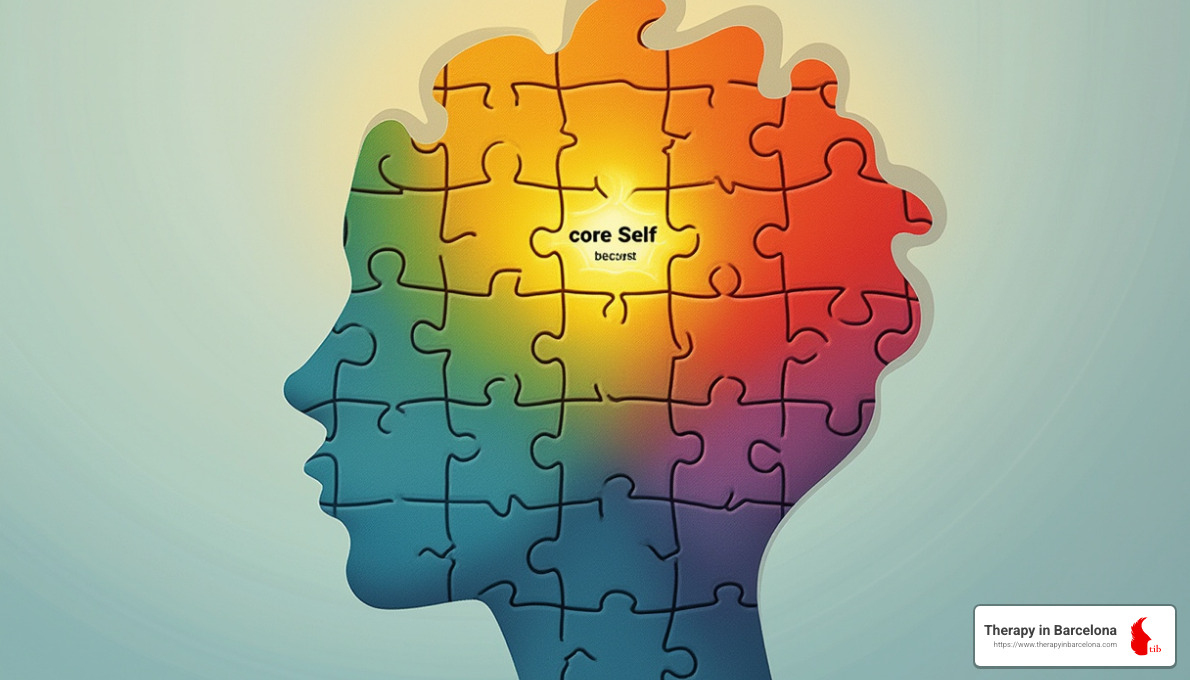
Internal Family Systems therapy offers a unique lens through which we can explore the complexities of the human mind. Imagine your mind as a family, with each member representing a different part of you. These parts, or sub-personalities, can include emotions like anger, fear, or shame, as well as protective roles that aim to shield you from pain. At the centre of this internal family is the “core Self,” a state of being that embodies confidence, compassion, and wholeness.
Here’s a quick overview of Internal Family Systems therapy:
- Focus on Parts: It identifies various sub-personalities, addressing conflicts within and between these parts.
- Core Self Leadership: The goal is to differentiate the Self to lead internal dynamics harmoniously.
- Healing and Harmony: The therapy works towards healing wounded parts and achieving mental balance.
Richard Schwartz, the developer of IFS, discovered that by viewing the mind as a family, we can better understand and resolve the internal conflicts that disrupt our lives. This method has proven effective for many issues, such as depression, anxiety, and trauma, though it may not be suitable for those with severe mental health conditions involving psychosis.
This integrative therapy aligns with Therapy in Barcelona’s values, offering supportive and culturally sensitive care for expats. Whether you’re like Emily, navigating new cultural terrains, or have a unique story of your own, IFS can be a valuable tool in your journey.

Understanding Internal Family Systems Therapy
Internal Family Systems therapy (IFS) is an innovative form of psychotherapy developed by psychologist Richard Schwartz. It offers a unique perspective on our inner world, viewing it as a family of sub-personalities or “parts,” each with its own role. Imagine having a team inside your mind, each member with its own voice and purpose. Some parts might hold painful emotions like shame or anger, while others act as protectors, trying to shield you from distress.
Richard Schwartz, the creator of IFS, discovered this approach while working as a family therapist. He noticed that people often described their minds as having different “parts,” each with its own thoughts and feelings. This insight led him to develop IFS, which treats the mind much like a family, with each part interacting with the others.
IFS is recognized as an evidence-based psychotherapy. This means it has been scientifically studied and shown to be effective. For example, research has highlighted its success in treating conditions like depression and anxiety. One study even found that IFS improved pain and physical functioning in patients with rheumatoid arthritis. Despite its benefits, it’s important to note that IFS might not be suitable for everyone, especially those with severe mental health issues like psychosis.
In IFS, the goal is to help these sub-personalities work together under the guidance of the “core Self.” This Self is like the wise leader of the group—confident, compassionate, and whole. By fostering harmony among the parts, IFS aims to heal wounds and bring about mental balance.
For those living the expat life in places like Barcelona, understanding and managing these internal dynamics can be crucial. Whether you’re facing cultural adjustments or personal challenges, IFS provides a framework to steer your inner world with compassion and clarity.

In the next section, we’ll explore the core concepts of IFS, including the 8 C’s and 5 P’s that guide this therapeutic approach.
The Core Concepts of IFS
At the heart of Internal Family Systems therapy is the idea of the core Self. Think of it as the calm center in the storm of your thoughts and emotions. This Self is not just a passive observer but an active leader that can guide and heal your inner parts. It’s the part of you that remains steady, no matter how turbulent life gets.
The 8 C’s of Self-Leadership
The core Self is characterized by eight qualities known as the 8 C’s. These are:
- Confidence – Trust in your ability to steer life’s challenges.
- Calmness – A sense of peace, even in stressful situations.
- Compassion – Kindness and understanding towards yourself and others.
- Courage – Willingness to face fears and take risks.
- Creativity – Openness to new ideas and solutions.
- Clarity – Clear understanding and insight into your thoughts and feelings.
- Curiosity – Eagerness to explore your inner world without judgment.
- Connectedness – Feeling a sense of unity with yourself and others.
These qualities help the core Self lead your internal family, promoting harmony and healing.
The 5 P’s of Healing
In addition to the 8 C’s, IFS therapy also emphasizes the 5 P’s. These are principles that guide the therapeutic process:
- Presence – Being fully aware and in the moment with your parts.
- Patience – Allowing the healing process to unfold at its own pace.
- Persistence – Steadfastly working through challenges and setbacks.
- Perspective – Seeing the bigger picture and understanding different viewpoints.
- Playfulness – Bringing a light-hearted approach to inner exploration.
These principles ensure that the journey through IFS therapy is both effective and compassionate.
Applying the Core Concepts
For expats in Barcelona, embracing these core concepts of IFS can be transformative. Imagine Emily, a composite character representing many expats. She moved to Barcelona with dreams of trip but found herself overwhelmed by cultural differences and loneliness. By tapping into her core Self and embracing the 8 C’s and 5 P’s, Emily can find balance and resilience in her new life.
This approach doesn’t just help with personal issues—it provides a framework for navigating the complexities of expat life, making it a valuable tool for anyone seeking inner peace and self-understanding.
In the next section, we’ll dig into the roles of sub-personalities within IFS therapy, exploring how they interact and contribute to our inner world.
The Roles of Sub-Personalities
In Internal Family Systems therapy, sub-personalities play crucial roles in how we manage our inner world. These roles are often categorized into three types: Managers, Exiles, and Firefighters. Each has a unique function and interacts with the core Self in different ways.
Managers: The Protectors
Managers are like the diligent caretakers of your mind. They work tirelessly to keep things running smoothly. Their main job? To protect you from emotional pain and ensure you function well in daily life. Managers might keep you organized, help you avoid risky situations, or maintain a positive outward appearance.
Imagine you’re an expat like Emily, feeling the pressure to adapt to a new culture while maintaining connections back home. Your Manager parts might encourage you to learn the language quickly or make new friends to ease the transition. They’re like the coaches in your head, always strategizing and planning to keep things on track.
Exiles: The Hidden Wounds
Exiles are parts that carry the heavy burdens of past trauma, hurt, or shame. These are the parts that Managers work hard to keep out of sight. Why? Because when Exiles surface, they bring with them intense emotions that can be overwhelming.
Take Emily again. Perhaps she experienced loneliness as a child, and now, living abroad, those feelings are resurfacing. Her Exile parts might hold onto that loneliness, making it hard for her to fully enjoy her new life in Barcelona. These parts are like the hidden scars that occasionally throb, reminding you of past pain.
Firefighters: The Distractors
When Exiles become too loud, Firefighters leap into action. Their role is to distract you from the pain by any means necessary. This might involve binge-watching TV, over-eating, or even more harmful behaviors like substance use.
For Emily, a Firefighter might prompt her to spend hours scrolling through social media to escape feelings of isolation. While these actions can provide temporary relief, they often lead to further complications, keeping the cycle of avoidance and distress alive.
Balancing the Inner Family
Understanding these roles is key to achieving balance and harmony within your internal system. By recognizing the efforts of Managers, the pain of Exiles, and the urgency of Firefighters, you can begin to work with these parts rather than against them.

As you accept this knowledge, you can guide your inner family towards a more peaceful coexistence, with your core Self leading the way. This process not only aids personal growth but can also improve your ability to steer the challenges of expat life.
In the next section, we’ll explore the process of IFS therapy and how it helps individuals like Emily find harmony between their parts.
The Process of IFS Therapy
In Internal Family Systems therapy, the journey towards inner harmony involves a series of steps designed to help you understand and connect with your sub-personalities. These steps—Find, Focus, Flesh, Feel, Befriend, and Fear—guide you through the process of healing and self-findy.
Find: Identifying the Parts
The first step is to find and identify your sub-personalities. This involves recognizing the different parts within you, like Managers, Exiles, and Firefighters. Imagine you are an expat like Emily, who feels anxious about fitting into a new culture. Your task is to notice which parts are active and how they influence your feelings and behaviors.
Focus: Paying Attention
Once you’ve identified a part, the next step is to focus on it. This means giving your attention to a specific part without judgment. For Emily, this might mean noticing her anxious feelings when meeting new people. By focusing, she can better understand what this part is trying to communicate.
Flesh: Understanding the Details
In the flesh stage, you dig deeper into understanding the part’s role and history. You explore questions like: Why is this part here? What is it afraid of? What does it need? Emily might find that her anxiety stems from past experiences of not fitting in, and that this part is trying to protect her from rejection.
Feel: Experiencing the Emotions
Feel involves allowing yourself to experience the emotions associated with each part. This step can be challenging, as it requires confronting uncomfortable feelings. However, it’s crucial for healing. Emily might feel sadness or fear, but by allowing these emotions, she can start to release their hold on her.
Befriend: Building a Relationship
In the befriend stage, you work on building a compassionate relationship with your parts. This involves offering understanding and acceptance. Emily can learn to see her anxious part not as a problem, but as a protective ally. By befriending her parts, she fosters a sense of inner peace and cooperation.
Fear: Facing the Concerns
Finally, the fear step involves addressing the concerns your parts have about change and healing. Parts may fear losing their role or that change might bring new challenges. Emily might reassure her anxious part that it’s safe to relax and that she’s not alone in navigating her new life in Barcelona.
By following these steps, individuals like Emily can create a more harmonious internal world. This process not only promotes personal growth but also improves the ability to face the unique challenges of expat life with resilience and confidence.
In the next section, we’ll address some frequently asked questions about Internal Family Systems therapy, including common controversies and detailed steps of the process.
Frequently Asked Questions about Internal Family Systems Therapy
What is the controversy with IFS therapy?
Internal Family Systems (IFS) therapy is a unique approach that views the mind as a collection of sub-personalities or “parts.” This idea of multiplicity can be controversial. Some critics argue that focusing on these parts might create or exacerbate identity instabilities, especially in individuals who already struggle with a strong sense of self. However, IFS proponents believe that by acknowledging and understanding these parts, individuals can achieve greater self-awareness and mental balance.
What are the 6 steps of IFS therapy?
IFS therapy follows a structured process to help individuals connect with their sub-personalities and foster healing. The six steps are:
- Find: Identify the different parts within you, such as Managers, Exiles, and Firefighters. Recognize how these parts influence your thoughts and behaviors.
- Focus: Pay attention to a specific part without judgment. This helps you understand its role in your internal system.
- Flesh: Dig deeper into the details of the part’s history and purpose. Explore its fears and needs.
- Feel: Allow yourself to experience the emotions associated with each part. This step is crucial for releasing emotional burdens.
- Befriend: Build a compassionate relationship with your parts. Offer them understanding and acceptance.
- Fear: Address any concerns your parts have about change and healing. Reassure them that it’s safe to accept new roles and experiences.
What are the benefits of IFS therapy?
IFS therapy offers several benefits, especially for those seeking mental balance and harmony. By understanding and healing your sub-personalities, you can develop greater self-compassion and resilience. This approach helps you manage painful emotions, reduce internal conflicts, and foster a sense of inner peace. For expats like Emily, who face the challenges of adapting to new cultures, IFS therapy can be a powerful tool in navigating identity struggles and enhancing overall well-being.
In the following section, we’ll explore how IFS therapy can be a valuable resource for expats in Barcelona, providing culturally sensitive support to help them thrive in their new environment.
Conclusion
Living abroad can be a thrilling journey, but it comes with its own set of challenges. For expats in Barcelona, navigating a new culture, language barriers, and feelings of isolation can be overwhelming. This is where Therapy in Barcelona steps in, offering a sanctuary for internationals seeking mental health support.
Therapy in Barcelona specialises in providing culturally sensitive support tailored to the unique needs of the English-speaking expatriate community. Founded by Leigh Matthews, an Australian psychologist who understands the expat experience firsthand, the practice is dedicated to helping individuals, couples, and families find their footing in a foreign land.
Internal Family Systems (IFS) therapy is one of the many therapeutic approaches offered at Therapy in Barcelona. This evidence-based method is particularly effective for expats dealing with identity struggles and internal conflicts. By working with a therapist to understand and heal their sub-personalities, clients can achieve greater self-awareness, mental balance, and resilience.
The practice’s commitment to personalised therapist matching ensures that each client is paired with a professional who truly understands their unique journey. This culturally informed care is essential for expats facing the complexities of life abroad. Whether you’re dealing with cultural adjustment, work-life balance, or personal growth, Therapy in Barcelona is here to support you every step of the way.
If you’re ready to explore how IFS therapy can improve your well-being and help you thrive in Barcelona, reach out to Therapy in Barcelona and take the first step towards a more fulfilling life.
