


Why Learning How Do I Deal with Stress Matters for Your Wellbeing
Understanding Stress: What It Is and How It Affects You
Picture this: you’re standing in a Spanish government office, clutching a folder of documents, whilst a clerk rapidly fires off questions in Catalan. Your heart pounds, your palms sweat, and your mind races. This, my friend, is stress in action.
Stress is simply your body’s way of responding to any demand or challenge. It’s not inherently good or bad—it’s just your internal alarm system doing its job. When you encounter something your brain perceives as threatening (whether it’s a looming deadline or deciphering Spanish bureaucracy), your body springs into action with remarkable efficiency.
Here’s where it gets interesting: not all stress is created equal. Eustress is the helpful variety—that surge of energy before a job interview or the excitement of exploring a new neighbourhood in Barcelona. This type of stress can sharpen your focus and boost performance. Distress, however, is the overwhelming kind that leaves you feeling drained and anxious.
When faced with a stressor, your body activates what scientists call the fight-or-flight response. Think of it as your body’s ancient emergency broadcast system. Your sympathetic nervous system floods your bloodstream with hormones like adrenaline and cortisol, causing your heart to race, your blood pressure to spike, and your energy levels to surge.
This response evolved to help our ancestors escape from genuine physical threats—brilliant for outrunning a wild boar, less helpful for dealing with your Spanish tax return or navigating a heated discussion with your landlord.
When stress becomes chronic, your body pays the price. Your immune system weakens, making you more susceptible to every cold that goes around your office. You might develop persistent headaches, digestive troubles, or even stress rashes—those raised, pink bumps that seem to appear from nowhere when life gets overwhelming.
The mental toll is equally significant. Chronic stress can manifest as persistent anxiety, irritability, difficulty concentrating and low mood. You might find yourself snapping at your partner over small things or struggling to focus during important meetings. Recent research reveals sobering statistics: about 87% of people worry about rising costs of everyday items, whilst nearly 81% report global uncertainty as a major source of stress.
For expats, these universal stressors layer onto uniquely international challenges. You’re not just managing work pressure—you’re doing it whilst navigating language barriers, cultural misunderstandings, and potentially feeling disconnected from your support network back home. The simple act of booking a doctor’s appointment or understanding your electricity bill can become a stress-inducing ordeal.
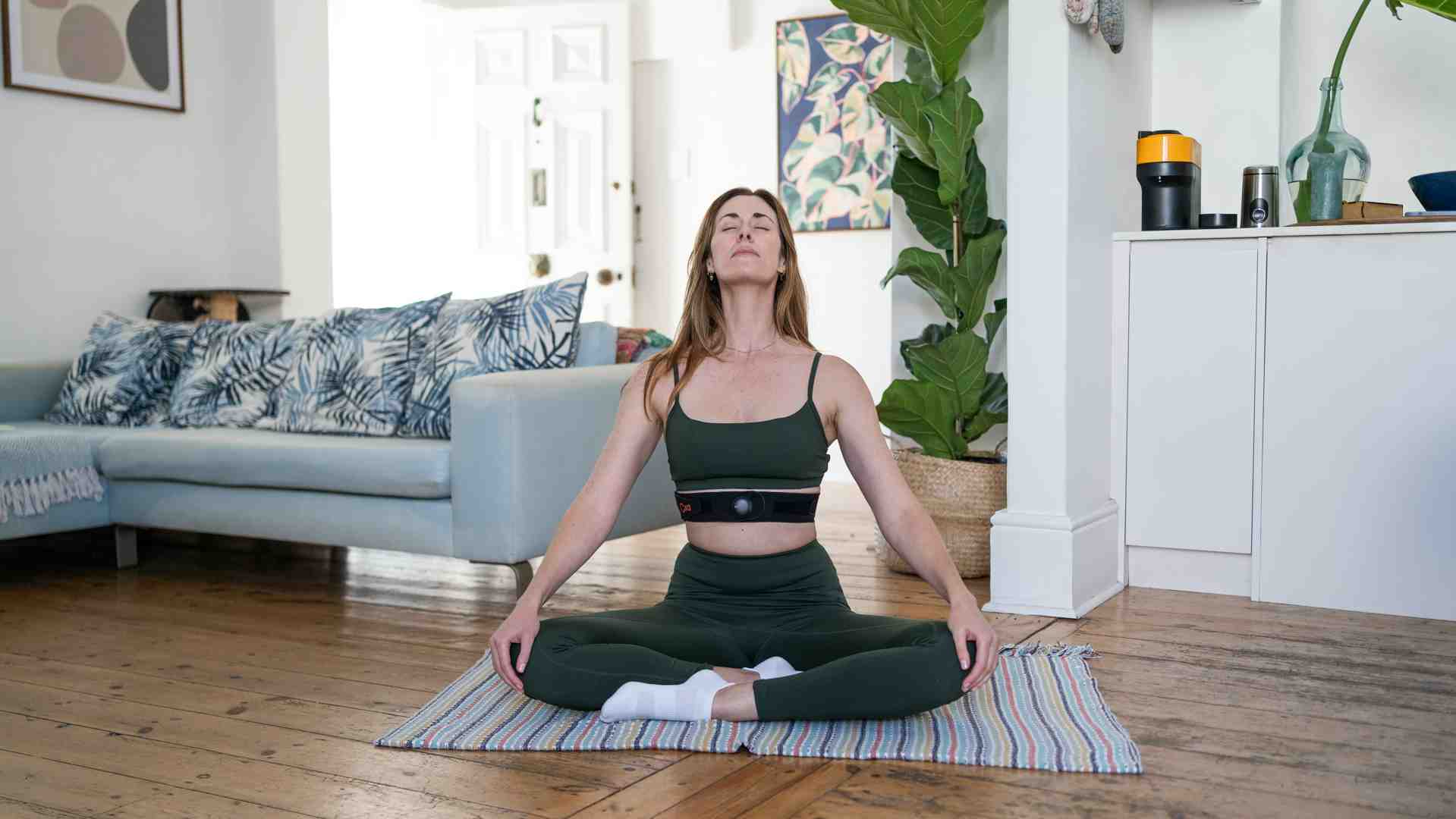
The good news? Understanding how stress works is the first step in learning how do I deal with stress effectively. Once you recognise what’s happening in your body and mind, you can begin to develop strategies that work for your unique situation as an international living abroad.
Pinpointing Your Personal Stress Triggers
The first step in learning how do I deal with stress effectively is understanding what’s actually triggering your stress response. It sounds straightforward, but you’d be surprised how often we overlook the specific thoughts, situations, or patterns that send our stress levels soaring.
Starting a stress journal can be incredibly revealing. Each time you notice tension building, jot down what happened just before, how your body felt, what emotions came up, and how you responded. After a few weeks, you’ll likely spot patterns you never noticed before – perhaps Sunday evenings always leave you anxious, or certain types of conversations consistently drain your energy.
The usual suspects for stress include work pressures, financial worries, relationship conflicts, and major life changes. But as an expat, you’re juggling these universal stressors alongside a unique set of challenges that locals might not fully grasp.
Cultural adjustment can be exhausting, even when you’re loving your new life. You might find yourself constantly translating not just language, but social cues, workplace dynamics, and even simple tasks like grocery shopping. Language barriers don’t just affect your ability to communicate – they can chip away at your professional confidence and make you feel like a different version of yourself.
Homesickness often hits in waves and at unexpected moments. Missing your nephew’s birthday party or not being able to pop round to your mum’s for a cup of tea can trigger a deep sense of loss. Meanwhile, you’re trying to build new social connections from scratch, which takes enormous emotional energy.
If you’re in Barcelona, you might feel stressed by the late dining culture when you’re used to eating at 6 PM and going to bed early. Madrid’s more formal business environment could feel overwhelming if you come from a casual work culture. Valencia’s smaller expat community might leave you feeling isolated compared to larger international hubs like London or New York.
Visa and residency concerns add another layer of stress that locals never have to consider. The Spanish bureaucracy can be particularly challenging when you’re trying to steer NIE applications, tax obligations, or healthcare registration in a second language.
These stressors aren’t character flaws or signs that you’re not cut out for expat life – they’re completely normal parts of the international experience. Recognising them helps you understand that your stress response is natural and manageable, not a personal failing.
Common stress triggers for expats:
- Cultural misunderstandings and feeling like an outsider
- Language barriers affecting daily confidence
- Homesickness and missing important family events
- Navigating foreign bureaucracy and legal requirements
- Building social connections from scratch
- Managing relationships with people back home
- Professional challenges in a new work culture
- Financial pressures and different cost of living
Once you’ve identified your personal stress triggers, you’re already halfway to managing them more effectively. The next step is building your toolkit for both immediate relief and long-term resilience.
How Do I Deal with Stress? Your Toolkit for Immediate and Long-Term Relief

When you’re wondering “how do I deal with stress”, it helps to think of stress management as building your own personal toolkit. Just as a carpenter wouldn’t use a hammer for every job, you need different strategies for different situations.
The 4 A’s of stress management provide a brilliant framework: Avoid, Alter, Adapt, and Accept. Sometimes you can sidestep unnecessary stressors entirely – like declining that extra project when you’re already swamped. Other times, you might alter situations by having honest conversations about what’s bothering you. When you can’t change circumstances, you can adapt your perspective or simply accept what’s beyond your control – like those infamous Spanish bureaucratic delays that every expat learns to steer.
Change Your Lifestyle: The Foundations of Resilience
Think of your lifestyle choices as the foundation of a house – everything else builds on top. Without solid foundations, even the best coping strategies won’t hold up under pressure.
Exercise is perhaps your most powerful stress-fighting weapon. When you move your body, you’re literally changing your brain chemistry. Physical activity floods your system with endorphins – those wonderful natural mood elevators that make you feel like you can tackle anything. Research shows that working adults who engage in moderate exercise experience half the perceived stress of those who don’t. You don’t need to become a gym enthusiast overnight; even a 20-minute walk through Barcelona’s Gothic Quarter or Madrid’s Retiro Park can work wonders.
Nutrition plays a starring role in how your body handles stress. When you’re stressed, your body craves comfort foods high in fat and sugar – it’s cortisol’s way of trying to help, but these choices often leave you feeling worse. Instead, fuel your body with fruits, vegetables, whole grains, and lean proteins. These foods provide the steady energy and nutrients your body needs to cope with whatever life throws at you.
Sleep is non-negotiable for stress management. Most adults need 7-9 hours of quality sleep each night, but stress can turn bedtime into a frustrating battle with racing thoughts. Create a consistent bedtime routine, keep your bedroom cool and dark, and resist the urge to scroll through your phone before sleep. Understanding how daytime stress affects nighttime sleep can help you break the vicious cycle where stress disrupts sleep, and poor sleep increases stress levels.
Avoiding unhealthy coping mechanisms is equally crucial. That glass of wine might seem like the perfect way to unwind after a challenging day navigating Spanish bureaucracy, but relying on alcohol, excessive caffeine, or other substances often backfires. These substances can interfere with your sleep, increase anxiety, and create dependency issues that add to your stress load.
For comprehensive guidance on building both physical and mental resilience as an expat, explore our Physical and Mental Fitness: A Guide for Expats in Barcelona.
Master Your Mind: How Do I Deal with Stress Using Mental Techniques?
Your mind is your most sophisticated tool for managing stress. Learning to work with your thoughts rather than against them can completely transform how you experience challenging situations.
Mindfulness and meditation have been helping people manage stress for over 5,000 years, and modern research confirms their effectiveness. These practices reduce stress, anxiety, and chronic pain whilst improving sleep, energy, and mood. You don’t need to sit cross-legged on a mountain top for hours – even five minutes of focused breathing can activate your body’s relaxation response. Guided meditation can be particularly helpful when you’re just starting out.
Deep breathing is perhaps the quickest stress-relief technique at your disposal. When you breathe deeply, you’re sending a direct message to your nervous system to calm down. Try belly breathing: breathe in slowly through your nose for 5 seconds, hold for 2 seconds, then exhale through your mouth for 5 seconds. It’s remarkable how something so simple can be so effective.
Cognitive reframing is about changing the story you tell yourself about stressful situations. Instead of thinking “I’ll never figure out this Spanish tax system,” try “This is challenging, but I’ve learned difficult things before.” This isn’t about toxic positivity – it’s about finding realistic, balanced perspectives that serve you better.
Challenging negative thoughts becomes especially important when you’re dealing with the unique stressors of expat life. When you catch yourself spiralling into catastrophic thinking, pause and ask yourself: Is this thought helpful? Is it based on facts or fears? What would I tell a friend in this situation? Often, we’re much kinder to others than we are to ourselves.
Journaling provides a safe space to process emotions and gain clarity. You don’t need perfect grammar or profound insights – just honest expression. Writing down your thoughts and feelings can help you identify patterns, release pent-up emotions, and problem-solve more effectively.
Self-compassion might be the most transformative technique of all. Treat yourself with the same kindness you’d show a good friend facing similar challenges. When you make mistakes or face setbacks, practice self-forgiveness rather than self-criticism. You’re navigating life in a foreign country – that deserves recognition, not harsh judgment.
Connect and Unwind: How Do I Deal with Stress Through Social and Leisure Activities?
Humans are inherently social creatures, and connection is fundamental to managing stress effectively. Face-to-face interaction triggers hormones that naturally counteract your body’s stress response – it’s like having a built-in pharmacy.
Building a support network as an expat requires intentional effort, but it’s absolutely worth it. Join expat groups, attend language exchanges, participate in hobby clubs, or volunteer for causes you care about. The importance of connections with people cannot be overstated – even one or two genuine connections can significantly impact your stress levels and overall wellbeing.
Making time for hobbies isn’t selfish – it’s essential self-care. Research shows that engaging in hobbies can reduce stress by almost half and lower your heart rate. Whether it’s painting in Parc Güell, reading in a Madrid café, or playing guitar on your Valencia balcony, activities that bring you joy help restore your emotional balance.
Spending time in nature offers profound stress-relieving benefits. Studies conducted across multiple countries show that green spaces improve mood, and remarkably, even watching nature videos can speed recovery from stress. Barcelona’s parks, Madrid’s tree-lined boulevards, or Valencia’s nearby beaches provide perfect opportunities for natural stress relief.
Humour and laughter are powerful stress-busters that we often overlook. Laughter increases oxygen intake, boosts cardiovascular activity, and releases feel-good hormones. It also improves immune function and provides long-lasting mood benefits. Don’t underestimate the power of a good comedy show or a funny conversation with fellow expats who understand your struggles.
Setting boundaries becomes crucial when you’re managing stress, especially in expat life where you might feel pressure to say yes to every opportunity. Learn to say no to commitments that drain your energy or compromise your wellbeing. Understanding how to establish healthy Setting Boundaries can help you build healthier relationships and reduce interpersonal stress.

When Your Stress Becomes Too Much: Knowing When to Seek Help
Sometimes, despite your best efforts with self-help strategies, stress becomes overwhelming. Recognising when you need professional support isn’t a sign of weakness—it’s actually a sign of wisdom and self-awareness.
Signs that stress may be beyond self-help often creep up gradually. You might find yourself dealing with persistent sleep problems or insomnia, struggling to concentrate or make decisions, or feeling overwhelmed by daily tasks that once seemed manageable. Physical symptoms like chronic headaches or digestive issues can become constant companions, whilst increased irritability or mood swings strain your relationships. Many people find themselves withdrawing from social activities they once enjoyed, or perhaps relying on alcohol or other substances to cope with the pressure.
Most concerning are thoughts of self-harm or feelings of hopelessness. If you’re experiencing any of these symptoms, it’s time to reach out for professional help.
Consider Emily’s story—a composite representation of many expats we work with (she’s not an actual client, but her experiences mirror those of countless internationals). Emily is a 34-year-old marketing professional from the UK who moved to Barcelona full of excitement about her career opportunities. Initially thrilled about her new life, she gradually found herself struggling with loneliness, work pressure, and the constant challenge of navigating cultural differences. She began experiencing panic attacks, couldn’t sleep, and felt constantly on edge. Emily’s journey reflects the reality that even the most prepared and capable people can find themselves overwhelmed by the cumulative stress of expat life.
When you’re ready to seek professional help, you’ll find various options available. Some expats consider public system clinicians, though language barriers and long waiting times can present challenges. Large online platforms like BetterHelp or Talkspace offer convenience, but they often lack the cultural sensitivity needed to truly understand expat experiences.
Therapy in Barcelona offers a unique approach specifically designed for internationals like you. Founded by Leigh Matthews, an Australian psychologist who moved to Barcelona in 2011, the practice was born from personal experience. Leigh recognised the need for culturally sensitive mental health support after navigating her own adjustment difficulties as an immigrant—dealing with intercultural marriage, pregnancy in a foreign country, and the complex process of cultural adaptation.
What truly sets Therapy in Barcelona apart is their personalised therapist matching process. Rather than simply assigning you to the next available therapist, they take time to understand your specific needs, background, and preferences. This thoughtful approach significantly improves the likelihood of positive therapeutic outcomes because the fit between you and your therapist matters enormously.
At Therapy in Barcelona, our professionals use various evidence-based approaches including Cognitive Behavioural Therapy (CBT), Acceptance and Commitment Therapy (ACT), mindfulness-based interventions, and many other proven frameworks and techniques. All therapists are English-speaking expats themselves, bringing both professional expertise and personal understanding of what it’s really like to build a life in a foreign country.
Frequently Asked Questions about Dealing with Stress
What is the difference between stress and anxiety?
This is one of the most common questions people ask when they’re struggling with overwhelming feelings. The distinction can be confusing because stress and anxiety share many symptoms – that racing heart, tight chest, difficulty sleeping, and churning thoughts that keep you awake at night.
Stress typically responds to external triggers in your environment. Think of it as your body’s reaction to specific situations: a looming work deadline, a disagreement with your partner, or navigating Spanish bureaucracy when your Spanish isn’t quite up to scratch. When the stressor disappears or gets resolved, stress usually fades away too.
Anxiety, however, tends to be more persistent and internal. It’s that nagging worry that lingers even when everything seems fine on the surface. Anxiety often involves future-focused concerns – “What if I never fit in here?” or “What if I can’t handle living abroad?” – and can persist even when there’s no immediate threat.
For expats, this distinction becomes particularly important. You might feel stressed about specific challenges like finding a flat in Barcelona or understanding your Spanish tax obligations. But if you find yourself constantly worrying about your ability to succeed abroad, even during good moments, that persistent unease might be anxiety.
Both experiences are completely normal, and both respond well to the stress management techniques we’ve discussed. The key is recognising which you’re dealing with so you can respond appropriately.
Can stress cause physical symptoms like a rash?
Absolutely, and this often surprises people. Your mind and body are intimately connected, and stress can manifest in unexpected physical ways. When you’re stressed, your body releases cortisol and other stress hormones that can suppress your immune system and trigger inflammatory responses throughout your body.
Stress rashes, also known as hives, are more common than you might think. They appear as pink or red raised bumps on your skin and can show up anywhere on your body. The bumps might be itchy, burning, or simply uncomfortable. Research shows these stress-induced skin reactions are particularly common in women and tend to affect people in their 20s, 30s, and 40s – prime expat years.
Other physical symptoms of stress include headaches, digestive issues, muscle tension, and changes in appetite or sleep patterns. Some people experience chest tightness, while others notice their shoulders creeping up toward their ears throughout the day.
The good news is that managing your stress levels often resolves these physical symptoms naturally. When you practice the stress management techniques we’ve discussed – whether that’s deep breathing, regular exercise, or seeking support – your body can return to its natural balance.
If you’re experiencing persistent physical symptoms, it’s worth checking with a healthcare provider to rule out other causes. But don’t underestimate the power of stress management in improving your physical wellbeing.
What is the quickest way to relieve stress in the moment?
When stress hits and you need immediate relief, deep breathing is your most powerful tool. It’s always available, costs nothing, and works within minutes. The beauty of breathing techniques is that they directly activate your body’s relaxation response, countering the fight-or-flight reaction that stress triggers.
Try this belly breathing technique: Place one hand on your chest and one on your belly. Breathe in slowly through your nose for five counts, ensuring your belly rises more than your chest. Hold for two counts, then exhale slowly through your mouth for five counts. This signals to your nervous system that you’re safe, helping your body shift from stress mode to calm mode.
Sensory grounding techniques can also provide immediate relief when your mind is racing. The 5-4-3-2-1 method is particularly effective: identify 5 things you can see around you, 4 things you can touch, 3 things you can hear, 2 things you can smell, and 1 thing you can taste. This anchors you in the present moment and interrupts the spiral of stressful thoughts.
Physical movement – even tiny movements – can help release tension that builds up in your body during stressful moments. Try shaking out your hands, rolling your shoulders, or doing a few neck stretches. If you have space, a quick walk around the block can work wonders.
These techniques work best when you practice them regularly, not just during crisis moments. The more familiar your body becomes with these relaxation responses, the more quickly and effectively they’ll work when you need them most.
Conclusion
Learning how do I deal with stress is one of the most valuable skills you can develop, especially when you’re navigating life as an expat. The journey of living abroad brings unique rewards, but it also presents challenges that can feel overwhelming at times.
Stress itself isn’t the enemy. It’s a natural response to the demands of life, and experiencing it doesn’t mean you’re failing at your expat trip. The key lies in developing a toolkit of strategies that work for your specific situation – whether that’s deep breathing for immediate relief, regular exercise for ongoing resilience, or seeking professional support when stress becomes unmanageable.
Your stress management approach should be as unique as your expat journey. Some days you might need quick techniques like the 5-4-3-2-1 grounding method when bureaucracy feels overwhelming. Other times, you’ll benefit from longer-term strategies like building social connections or practicing mindfulness. The most important thing is recognising that you have more control over stress than you might think.
Living abroad already demonstrates your courage and adaptability. The same strength that brought you to Spain – whether Barcelona, Madrid, Valencia, or another Spanish city – is the same strength that will help you manage stress effectively. You’re already proving you can handle challenges and create a meaningful life in a new culture.
If you find yourself struggling with persistent stress that interferes with your daily life, reaching out for help is a sign of wisdom, not weakness. Many expats benefit from speaking with someone who truly understands the unique pressures of international life – the homesickness, cultural adjustment, language barriers, and the complex emotions that come with building a new life abroad.
At Therapy in Barcelona, we specialise in supporting internationals through these exact challenges. Our personalised therapist matching ensures you work with someone who gets your experience as an expat, not just as a therapy client. We understand that your stress might stem from missing family events back home, feeling isolated in a new culture, or struggling with professional challenges in a foreign work environment.
Your mental health matters, and you deserve support that acknowledges the full complexity of your expat experience. You don’t have to figure this out alone, and seeking help is simply another tool in your stress management toolkit.
Take that first step towards better stress management today. Whether it’s trying a new breathing technique, scheduling time for exercise, or reaching out for professional support, you’re already on the path to a more balanced, fulfilling life abroad.
Book your free discovery call to find the right therapist for you!
