


Why Remote Sex Therapy May Be the Most Private Way to Heal

Remote sex therapy is a form of specialised talk therapy delivered via secure video call, helping individuals and couples address sexual concerns, intimacy challenges, and relationship dynamics — all from the privacy of their own home.
Here’s what you need to know at a glance:
- It is as effective as in-person therapy, according to published research
- Sessions are conducted over encrypted, HIPAA-compliant video platforms
- Common concerns include low desire, performance anxiety, sexual trauma, erectile dysfunction, and mismatched libido
- No physical contact is ever involved — it is entirely talk-based
- Therapists must hold relevant mental health licences and ideally specialist certifications such as AASECT
- It is a private-pay service; some therapists offer sliding scale fees for those with financial need
- You can access it from anywhere — whether you are in Barcelona, Valencia, Málaga, or anywhere else in the world
There is something particular about sexual concerns. They tend to sit quietly in the background, rarely spoken about, and yet they affect how close we feel to ourselves and the people we love.
For many people, the idea of sitting in a waiting room before discussing desire, pain, or shame with a stranger feels like too high a barrier. The commute alone can be enough to cancel the appointment.
Accessing support from your own sofa — in your own language, in your own time — removes a layer of exposure that stops many people from ever reaching out. For expats living abroad, that barrier can feel even steeper.
Finding an English-speaking therapist with genuine specialist training in sexual health, in a city where you are still finding your feet, is genuinely difficult.
Online therapy can be just as effective as face-to-face sessions, including for sexual and relationship concerns. The quality of the therapeutic relationship and the approach used are often more important than whether sessions take place online or in person.
>
This guide walks you through what remote sex therapy actually involves, what to expect, how to find the right specialist, and how to know whether it is the right fit for you.
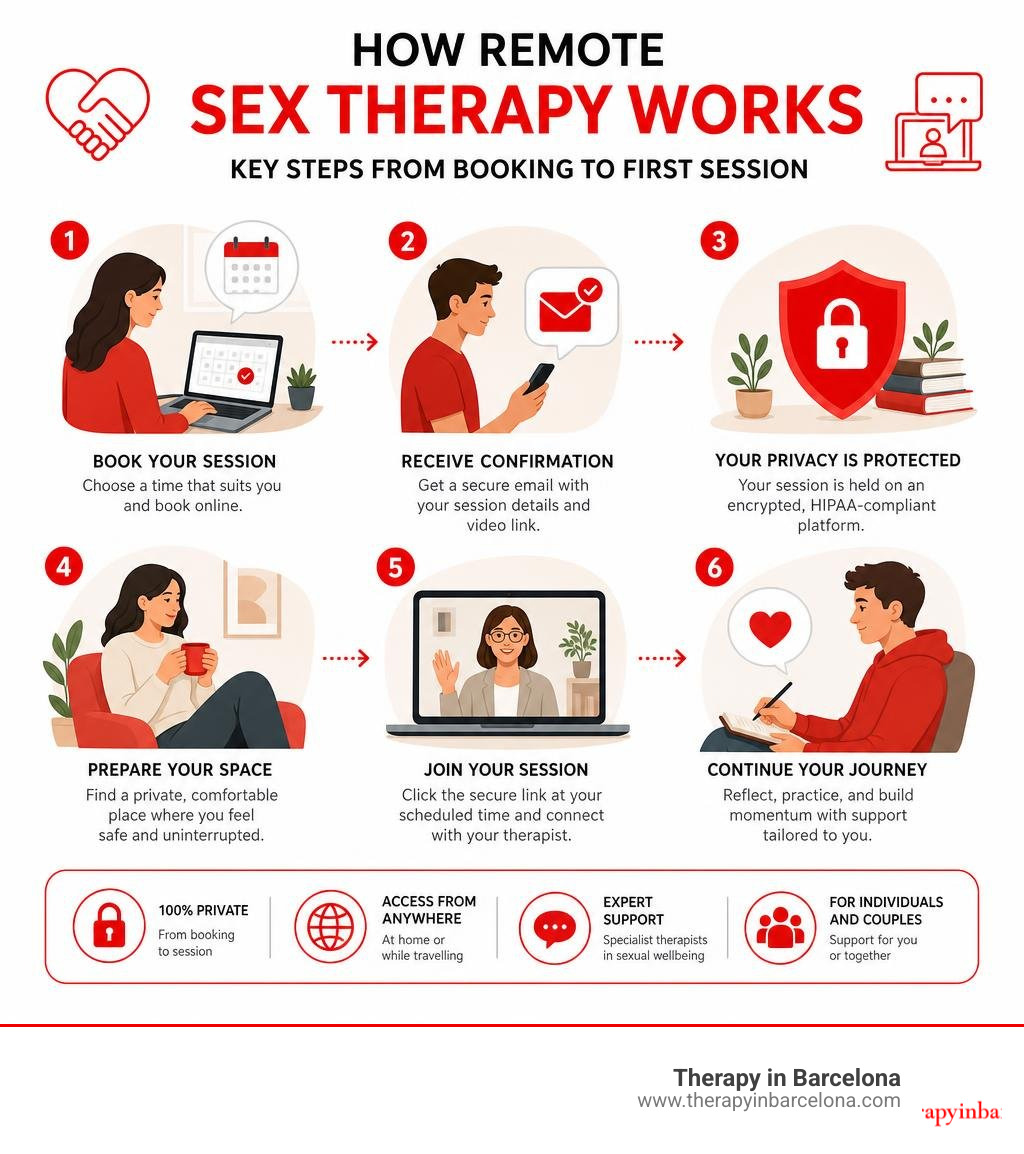
Understanding Online Intimacy Support

When people hear the term “sex therapy”, they sometimes feel a wave of hesitation. There are many myths surrounding the practice, largely fueled by media depictions or a simple lack of clear information.
In reality, sex therapy is a highly structured, professional, and entirely conversational branch of mental health care.
When moved to a virtual space, this support becomes even more accessible, allowing individuals and couples to unpack deeply personal topics without the added stress of navigating a physical clinic.
What is remote sex therapy?
At its core, remote sex therapy is a specialised form of talk therapy. It focuses on the psychological, emotional, and relational factors that shape our sexual experiences. It is important to state clearly: sex therapy never involves physical touch, nudity, or sexual contact of any kind during sessions. It is strictly a conversational process.
Sex therapy combines psychology and relationship counselling to address sexual concerns. Rather than focusing only on physical issues, sex therapists help you explore the psychological, cultural, and relationship factors that may be affecting intimacy and connection.
If you have ever wondered about the foundational principles of this work, you can read more about it in our guide on What is sex therapy?.
By taking this practice online, therapists use secure, high-definition video platforms to recreate the clinical environment. Whether you are working through individual blocks or relationship patterns, the virtual format allows for deep, focused psychological work.
For those looking for broader context, international bodies like the World Association for Sexual Health highlight how clinical sexology integrates seamlessly into modern psychological frameworks.
Common concerns addressed in virtual sessions
A wide range of intimate struggles can be successfully explored through online sessions. Many people assume that their concerns are too physical to be addressed via video, but because the mind and body are deeply linked, talk therapy is highly effective for many seemingly physical issues.
Some of the most common concerns brought to virtual sessions include:
- Desire Discrepancy: This occurs when partners in a relationship have different levels of sexual desire, leading to feelings of rejection, pressure, or frustration.
- Erectile Dysfunction and Performance Anxiety: Often, the fear of “failing” or underperforming creates a cycle of anxiety that physically prevents arousal.
- Difficulty Reaching Orgasm (Anorgasmia): Learning to quiet the mind and connect with the body’s sensations can unlock new paths to pleasure.
- Pain During Intercourse: While medical evaluations are crucial, psychological support helps manage the anxiety, fear, and muscle tension associated with pain.
- Unpacking Shame and Guilt: Many people carry religious, cultural, or societal messaging that makes them feel bad about having natural desires. Embracing Sex-positive therapy: Embracing your desires without the shame can be incredibly healing.
- Healing from Sexual Trauma: Gently processing past painful experiences to help the body feel like a safe place to inhabit again.
- Navigating Non-Traditional Relationships: Exploring consensual non-monogamy, polyamory, or kink in a supportive, judgment-free environment.
If you are noticing that emotional distance is starting to affect your physical relationship, you might find it helpful to read about Intimacy issues: Here’s how therapy can help. For partners who want to rebuild their physical and emotional bond together, exploring Couples intimacy therapy: Bridging the gap to deeper connection can provide a clear roadmap.
The Benefits and Limitations of Remote Sex Therapy
Choosing between online and in-person care is a personal decision. For expats and international professionals, virtual sessions often solve several practical and emotional problems at once. Let’s look closely at the advantages and the few limitations of this format.
To understand how online sessions fit into the lives of internationals, it is helpful to look at What are the benefits of online therapy for internationals living in Spain?.
Privacy, comfort, and accessibility
The most obvious benefit of remote sex therapy is the high level of privacy it offers. There is no risk of running into a colleague, neighbour, or friend in a local waiting room. You have complete control over your environment.
You can set the lighting, adjust the room temperature, and sit in your favourite armchair. This physical comfort directly translates into emotional comfort, making it easier to speak openly about sensitive subjects.
Fictional composite example: This example represents common experiences faced by expats and is not based on a real client.
After relocating to Málaga for a fresh start, an expat found themselves struggling with loneliness and a loss of sexual desire following a difficult breakup. The idea of finding a local clinic, discussing deeply personal concerns in limited Spanish, or sitting in a public waiting room felt overwhelming.
Online therapy provided the opportunity to connect with an English-speaking therapist who understood the challenges of relocating. From the privacy of home, they were able to speak openly without worrying about language barriers or judgement, gradually rebuilding confidence and reconnecting with their body.
For couples, online sessions can make the process much easier to schedule. Rather than rushing through traffic after work, partners can simply log on together from their home.
This comfort is explored further in our articles on Unlocking intimacy: Exploring the benefits of sex therapy for couples and Virtual love doctors: Best online therapy for couples.
If you are an individual seeking personal growth, you might also enjoy reading Swipe right on mental health: Best online therapy for adults.
Potential limitations of online sessions
While the virtual format is highly effective, it does have a few limitations to consider:
- Technical Interruptions: A weak internet connection or a frozen screen can disrupt the emotional flow of a session.
- Finding a Private Space: If you share a home with housemates, family members, or children, finding a room where you cannot be overheard requires some planning.
- Severe Crisis Situations: Online therapy is not designed for acute psychiatric crises, active self-harm, or situations involving domestic abuse.
- Medical Exclusions: If your sexual concerns are primarily caused by an underlying medical condition (such as hormonal imbalances or severe physical injury), talk therapy must be paired with medical care rather than replacing it.
Finding and Matching with the Right Therapist
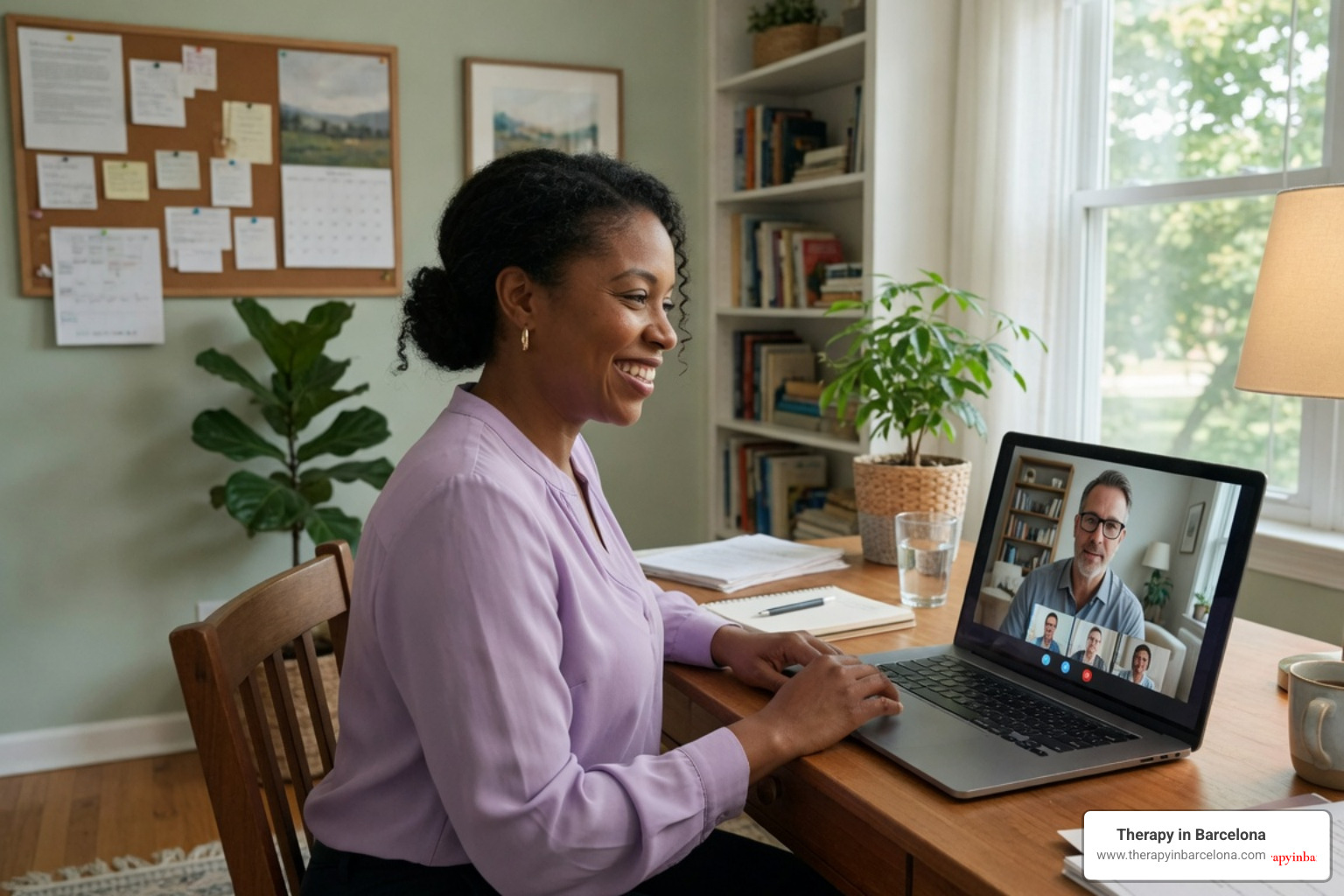
The success of any therapy depends heavily on the quality of the connection between you and your practitioner. In psychology, this is called the therapeutic alliance. When discussing intimacy, having a therapist who makes you feel completely safe, seen, and respected is essential.
How to choose a qualified remote sex therapy specialist
Because “sex therapist” is not always a strictly regulated term in every country, it is important to look closely at a practitioner’s credentials. You want to ensure you are working with someone who has solid clinical training and adheres to strict ethical standards.
When searching for a specialist, look for the following qualifications:
- A Primary Mental Health Licence: They should be a licensed psychologist, marriage and family therapist, or clinical social worker.
- Specialist Training in Sexology: Look for postgraduate diplomas or certifications in systemic sex therapy.
- Professional Affiliations: Membership in recognised bodies, such as the COP in Spain, it is a strong indicator of high-quality training.
- A Sex-Positive and Inclusive Approach: Your therapist should be welcoming of all sexual orientations, gender identities, and relationship structures (including LGBTQ+, kink, and non-monogamy).
The matching process on modern directories
When looking for support, you will generally find three main options. It is helpful to understand how they compare so you can make an informed choice.
Public Health Systems
In many countries, including Spain, the public health system offers mental health support. While this is highly affordable, wait times are often very long, you rarely get to choose your therapist, and finding a professional who speaks fluent English and specialises in sexual health is incredibly rare.
Large Online Platforms
Several global corporate platforms use automated algorithms to match you with a therapist quickly. While convenient, these corporate models often suffer from high therapist turnover, lack of personalised attention, and potential concerns regarding how your data is handled, including the risk of data selling.
Local Private Practices
A local, independent practice offers a much higher level of care. At Therapy in Barcelona, we take a highly personalised, human-centred approach to matching.
We do not rely on cold algorithms. Instead, our team takes the time to understand your specific concerns, cultural background, and language preferences to match you with the right professional.
Unlike large corporate platforms, we guarantee strict privacy with absolutely no data selling, bespoke therapist matching tailored to your unique situation, and culturally sensitive support in your native language.
Our therapists are all expats themselves, meaning they deeply understand the unique challenges of building a life abroad. To learn more about how we work, you can read our guide on Online therapy or explore our resources on Mind your language: A guide to online therapy in English.
Frequently Asked Questions about Virtual Intimacy Therapy
It is completely natural to have questions before starting this journey. Here are some of the most common questions clients ask about how online sessions work.
What should I expect during the first session?
The first session is entirely conversational and focused on building comfort. Your therapist will ask you to share what has brought you to therapy and what your goals are. They will take a brief history, asking about your relationship background, your cultural upbringing around sexuality, and any medical factors.
Together, you will set realistic goals. Your therapist may suggest simple “homework” exercises to try in the privacy of your home between sessions — such as mindfulness practices, communication tools, or sensate focus exercises — but everything is done at your own pace, with absolutely no pressure.
How do therapists ensure privacy and confidentiality?
Professional therapists use secure, encrypted video platforms that comply with high data-privacy standards, such as HIPAA or GDPR. Sessions are never recorded, and no third parties are allowed to watch.
To ensure complete privacy, your therapist will always conduct the session from a locked, private office where they cannot be overheard. They will ask you to do the same, encouraging you to find a quiet space, use headphones, and ensure you will not be interrupted.
Are there legal or regulatory limits across borders?
Yes. Mental health professionals are bound by licensing laws, which often dictate where they can practice. Many therapists are licensed to practice only within specific states or countries.
At Therapy in Barcelona, we offer online therapy to expats and internationals worldwide, including the USA and Canada. This ensures you can access high-quality, English-speaking support no matter where your journey takes you.
Support for Your Journey
Sexual health and emotional intimacy are essential parts of our overall well-being. Yet, taking the first step to address these concerns can feel daunting, especially when you are navigating the unique challenges of living in a foreign country.
Therapy in Barcelona was founded in 2011 by Leigh Matthews, an Australian Psychologist who is highly experienced in supporting internationals. She created a warm, compassionate sanctuary specifically for the international community.
Today, our team of highly qualified, psychology-trained therapists offers culturally sensitive support to help you feel safe, understood, and supported.
We work with clients online worldwide (including the USA and Canada), as well as in-person at our central office in Barcelona. We operate on a private-pay basis, and some of our therapists offer sliding scale fees to help make support accessible for those with financial need.
If you are ready to take a gentle step towards healing, we invite you to explore our specialised Sex Therapy services.
If you’d like support, book a Free Discovery Call today to find your ideal therapist match.
(Please note: If you are experiencing an acute mental health crisis or require immediate safety support, please contact your local emergency services by dialing 112 in Spain, or call the national suicide prevention hotline at 024).
