


How to Conquer These Intercultural Relationship Challenges

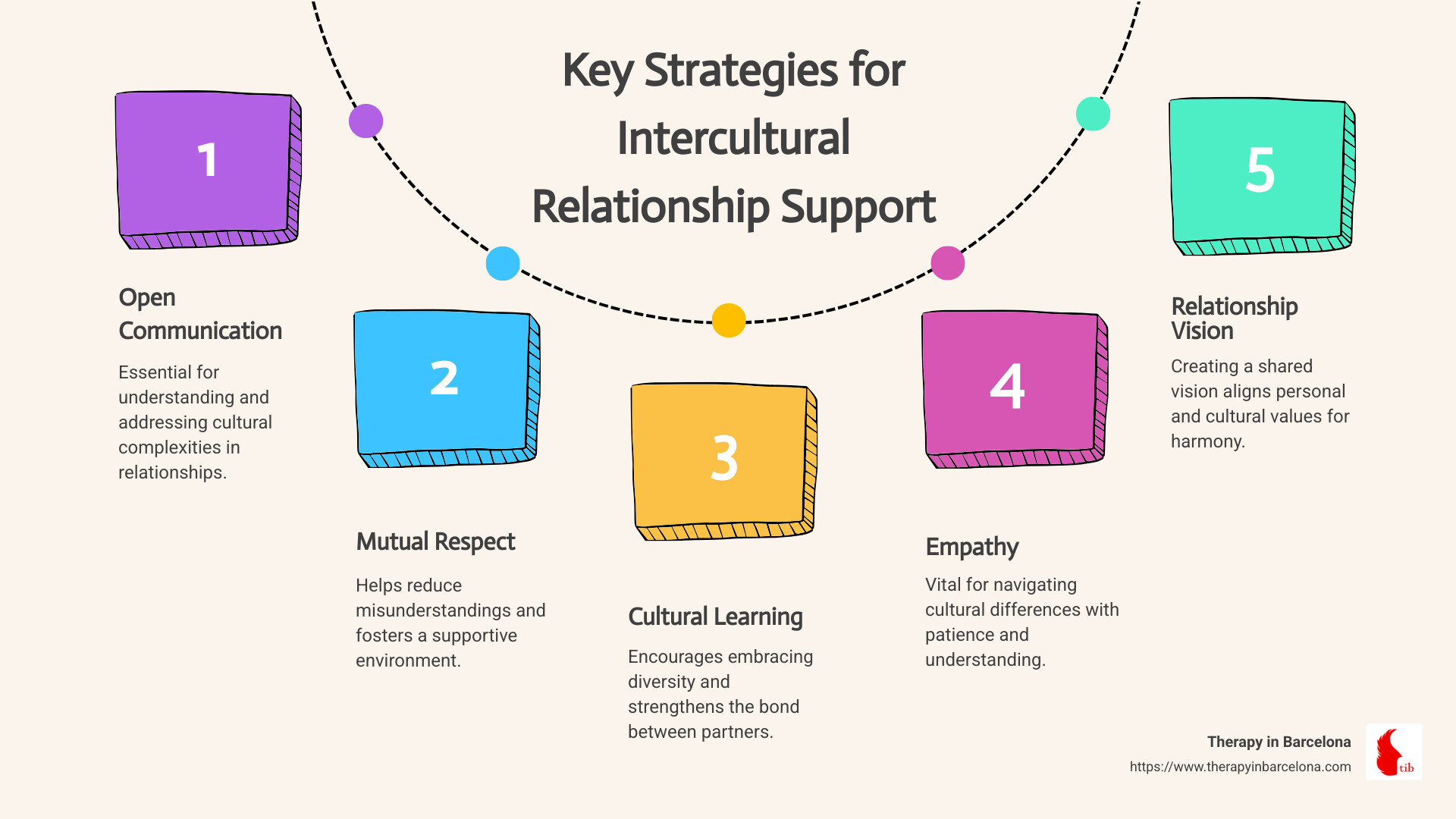
Intercultural relationship support is essential for couples navigating the unique challenges that arise from diverse cultural backgrounds. If you’re looking for quick tips, here are a few key strategies:
- Open and honest communication is crucial.
- Mutual respect and understanding help reduce misunderstandings.
- Being open to learning about each other’s cultures can strengthen your bond.
Intercultural relationships can be both rewarding and challenging. The blend of backgrounds, traditions, and beliefs offers a chance to embrace diversity and gain new perspectives. However, these differences also require ongoing communication and empathy.
Many couples find themselves surprised by a partner’s reaction, often assuming that they’re on the same page. This can lead to misunderstandings, resulting in frustration or confusion. Building a strong relationship takes extra effort, especially when cultural nuances affect communication and expectations.
Creating a “relationship vision agreement,” as suggested in Harville Hendrix’s book Getting the Love You Want, can be an effective way to navigate these complexities. This exercise encourages couples to discuss their differences openly, fostering a more harmonious relationship by aligning personal and cultural values.
In upcoming sections, we’ll explore how to deepen understanding in intercultural relationships and highlight tools available for couples to maintain a thriving partnership.
Understanding Intercultural Relationships
Intercultural relationships offer a rich mix of experiences, blending different cultures into a unique partnership. This diversity can be incredibly enriching, but it also presents challenges. Let’s explore how cultural diversity, mutual respect, and open communication play pivotal roles in navigating these relationships.
Embracing Cultural Diversity
Cultural diversity is at the heart of every intercultural relationship. It brings a vibrant mix of traditions, languages, and perspectives. For example, in Spain, you might find yourself celebrating both Sant Jordi and Valentine’s Day, combining traditions from different cultures. This fusion not only enriches your life but also broadens your worldview.
However, embracing diversity requires effort. It’s about more than just acknowledging differences; it’s about actively incorporating them into your daily life. Consider celebrating each other’s cultural festivals or trying out new cuisines. These small gestures can lead to a deeper appreciation and understanding of your partner’s background.
Cultivating Mutual Respect
Mutual respect is crucial in any relationship, but even more so in intercultural ones. Respecting each other’s cultural norms and values helps in bridging gaps and avoiding misunderstandings. This means listening to your partner’s experiences and valuing their perspective, even when it differs from your own.
Open conversations about cultural expectations, family dynamics, and personal beliefs can help you find common ground. This dialogue fosters an environment where both partners feel valued and understood, paving the way for a harmonious relationship.
The Power of Open Communication
Open communication is the backbone of successful intercultural relationships. It involves being honest about your feelings and expectations while being receptive to your partner’s. This is where active listening plays a crucial role. By genuinely hearing and understanding your partner, you can avoid many common pitfalls.
Miscommunications are inevitable, especially when language barriers exist. However, tools like translation apps or sharing creative expressions such as music and art can bridge these gaps. They provide new ways to express emotions and thoughts, enhancing mutual understanding.
In summary, intercultural relationships thrive on cultural diversity, mutual respect, and open communication. These elements create a strong foundation, allowing couples to steer differences with empathy and understanding. As you continue your journey together, every challenge is an opportunity to grow closer.
In the next section, we’ll dig into strategies for navigating cultural differences, providing practical tips for maintaining a healthy and joyful relationship.
Intercultural Relationship Support
Navigating an intercultural relationship comes with its unique set of challenges, especially when it comes to communication barriers and cultural differences. However, with the right support, these challenges can become opportunities for growth and connection.
Overcoming Communication Barriers
Communication barriers are common in intercultural relationships. Language differences can lead to misunderstandings and frustration. Imagine trying to express love or resolve conflicts when words don’t translate perfectly. This is where patience and creativity come into play.
- Use Technology: Translation apps can help bridge language gaps. While they aren’t perfect, they can assist in getting the basic message across.
- Learn Together: Consider learning each other’s languages. Even a basic understanding can show your partner that you value their culture and are committed to the relationship.
- Express Creatively: Sometimes words aren’t enough. Use music, art, or even cooking to communicate feelings. These universal languages can express emotions that words might not capture.

Embracing Cultural Differences
Cultural differences can be both a source of conflict and a treasure trove of learning. Understanding and respecting these differences is key to a successful intercultural relationship.
- Educate Yourself: Learn about your partner’s cultural background. This includes traditions, values, and social norms. Understanding these elements can prevent misunderstandings and show your partner that you respect their heritage.
- Celebrate Diversity: Accept each other’s cultural traditions. Celebrate holidays from both cultures, and create new traditions together. This not only enriches your relationship but also deepens your connection.
- Discuss Expectations: Talk about how cultural norms affect your relationship. Discuss family expectations, gender roles, and other cultural aspects that might influence your partnership. Open dialogue can prevent future conflicts.

Therapy in Barcelona: Your Partner in Navigating Intercultural Challenges
Therapy in Barcelona provides intercultural relationship support custom to the unique needs of expats and internationals. Founded by Leigh Matthews, an Australian psychologist with experience in supporting internationals, the practice offers a safe space to explore and overcome relationship challenges.
- Personalised Support: Therapy sessions are designed to address specific intercultural issues, helping couples understand and steer their differences.
- Expert Guidance: With a team of professionals experienced in intercultural dynamics, Therapy in Barcelona offers insights and strategies to strengthen relationships.
- Safe Space for Dialogue: Counseling provides a neutral ground for discussing sensitive topics, helping couples communicate effectively and build a shared vision for the future.
By addressing communication barriers and cultural differences with empathy and understanding, intercultural relationships can thrive. Therapy in Barcelona is here to support you every step of the way, ensuring that your relationship is not only a blend of cultures but also a harmonious partnership.
Strategies for Navigating Cultural Differences
Navigating cultural differences in a relationship can feel complex, but with the right strategies, it can also be deeply rewarding. Let’s explore how patience, empathy, and shared values can help you and your partner grow closer.
Practice Patience
Patience is your best friend in an intercultural relationship. Why? Because understanding different cultural norms and values takes time. Imagine moving to a new city; you wouldn’t expect to know all the shortcuts right away. The same goes for cultural understanding.
- Take Time to Learn: Give yourself and your partner time to learn about each other’s cultures. Mistakes will happen, but they are part of the journey.
- Be Patient with Misunderstandings: Miscommunications are normal. Instead of getting frustrated, use them as opportunities to learn more about each other’s perspectives.
Cultivate Empathy
Empathy is about putting yourself in your partner’s shoes. It’s essential for bridging cultural gaps and building a strong emotional connection.
- Listen Actively: Pay attention to what your partner says and how they feel. This shows you care about their experiences and viewpoints.
- Validate Feelings: Acknowledge your partner’s emotions, even if you don’t fully understand them. Saying, “I see this is important to you,” can go a long way.
Focus on Shared Values
While cultural differences are important, focusing on what you have in common can strengthen your bond.
- Identify Common Goals: Discuss your shared goals and dreams. Whether it’s traveling together or starting a family, having common objectives can unify you.
- Celebrate Similarities: Find and celebrate the similarities between your cultures. It could be a love for a particular cuisine or a shared interest in music.
- Create New Traditions: Blend elements from both cultures to create new traditions. This not only honors your backgrounds but also builds a unique identity for your relationship.
By embracing patience, empathy, and shared values, you can successfully steer cultural differences and build a fulfilling partnership. These strategies not only improve your relationship but also contribute to personal growth and intercultural understanding.
Next, we will dig into building trust and connection, essential components for any thriving intercultural relationship.
Building Trust and Connection
Building trust and connection in an intercultural relationship is like planting a garden. It requires time, attention, and the right conditions to flourish. Let’s explore how trust-building, active listening, and empathy can nurture your relationship.
Trust-Building
Trust is the foundation of any strong relationship, and it’s especially crucial in intercultural partnerships. Different backgrounds can sometimes lead to misunderstandings, but trust helps bridge those gaps.
- Be Consistent: Follow through on promises. Consistency in actions builds reliability, showing your partner they can depend on you.
- Share Openly: Be transparent about your feelings, needs, and expectations. Open communication fosters trust and prevents assumptions.
- Respect Boundaries: Understand and respect cultural differences in personal space and privacy. This respect reinforces trust and comfort.
Active Listening
Active listening is more than just hearing words—it’s about understanding the message behind them. It plays a vital role in connecting with your partner on a deeper level.
- Focus Fully: Give your partner your undivided attention during conversations. This shows that their thoughts and feelings matter to you.
- Ask Clarifying Questions: If something isn’t clear, ask questions to ensure understanding. This prevents miscommunications and shows you’re engaged.
- Reflect and Respond: Paraphrase what your partner says to confirm understanding, and respond thoughtfully. This validates their perspective and strengthens your connection.
Empathy
Empathy is the ability to understand and share your partner’s feelings. It’s a powerful tool for navigating cultural differences and deepening your bond.
- Put Yourself in Their Shoes: Try to see situations from your partner’s perspective. This understanding can illuminate cultural nuances you might not have considered.
- Express Empathy Verbally: Use phrases like, “I understand how you feel,” or “That must be challenging for you.” Verbal empathy reassures your partner that you’re emotionally supportive.
- Be Patient and Compassionate: Cultural adjustments can be tough. Offer compassion and patience as your partner steers their own cultural identity.
By focusing on trust-building, active listening, and empathy, you can create a nurturing environment where your intercultural relationship can thrive. These elements are not just essential for your partnership but also enrich your personal growth and understanding of diverse cultures.
Next, we’ll explore some frequently asked questions about intercultural relationships, offering insights and solutions to common challenges.
Frequently Asked Questions about Intercultural Relationships
Navigating an intercultural relationship can be both rewarding and challenging. Here are some frequently asked questions to help you better understand how to make these relationships work.
What is an example of an intercultural relationship?
An intercultural relationship involves partners from different cultural backgrounds. For instance, imagine Emily, a 34-year-old professional from the UK, who relocated to Barcelona. She falls in love with Carlos, a local Catalan. While Emily enjoys the lively celebrations of Sant Jordi, Carlos finds joy in the quiet traditions of the UK. Their relationship is a blend of British and Catalan cultures, creating a unique partnership enriched by their diverse backgrounds.
How do you make an intercultural relationship work?
Making an intercultural relationship work involves embracing differences and finding common ground. Here are some strategies:
- Communicate Openly: Discuss cultural differences and expectations. Open dialogue helps prevent misunderstandings and builds mutual respect.
- Accept Cultural Diversity: Celebrate each other’s traditions and create new ones together. This fosters a shared identity while respecting individual backgrounds.
- Seek Support: Professional guidance, such as therapy, can help steer complex cultural dynamics. At Therapy in Barcelona, experts provide intercultural relationship support to help couples thrive.
What are intercultural relationship difficulties?
Intercultural relationships can face unique challenges, including:
- Communication Barriers: Language differences and varied communication styles can lead to misunderstandings.
- Cultural Misunderstandings: Differing cultural norms and values may cause conflict or confusion.
- Family Dynamics: Navigating relationships with in-laws from different cultural backgrounds can be tricky. For some, family expectations around time spent together or traditions may feel overwhelming.
By understanding these challenges and employing strategies like open communication and professional support, you can build a strong intercultural relationship. Next, we’ll dive into how Therapy in Barcelona can offer personalised support to help you steer these challenges.
Conclusion
Navigating an intercultural relationship can be a journey filled with both challenges and rewards. At Therapy in Barcelona, we understand the unique problems expats face when building relationships across cultures. Our approach is all about offering personalised support custom to your specific needs, ensuring you feel understood and empowered.
Personalised Support for Expats
Living abroad often means dealing with cultural adjustments, language barriers, and a sense of isolation. These challenges can impact your relationships, making it crucial to have a support system that truly understands. Therapy in Barcelona provides a safe space for you to explore these issues with therapists who are not only experts in mental health but also expats themselves. This shared experience allows for a deeper understanding of the nuances involved in intercultural relationships.
Addressing Expat Challenges
Whether you’re struggling with communication barriers or trying to balance cultural differences, our team is here to help. We offer a variety of therapeutic approaches, including Cognitive Behavioural Therapy (CBT) and Acceptance and Commitment Therapy (ACT), Gottman Method Couples Counseling, and Imago Couples Counseling all aimed at helping you build stronger connections with your partner. Our couples therapy therapists work with you to develop effective communication strategies, foster empathy, and create shared values that respect both partners’ cultural backgrounds.
Why Choose Therapy in Barcelona?
Choosing Therapy in Barcelona means opting for a practice that prioritises your unique journey. We focus on matching you with a therapist who fits your specific needs, enhancing the chances of a positive outcome. Our commitment to culturally sensitive care ensures that you receive the support you need to steer the complexities of expat life and build a fulfilling relationship.
In conclusion, intercultural relationships offer a rich opportunity for growth and understanding. With the right support, you can turn challenges into opportunities and create a partnership that celebrates diversity. At Therapy in Barcelona, we’re here to help you every step of the way, providing the tools and insights needed to thrive in your intercultural relationship.
