


The Reality of Expat Mental Wellness: Challenges and Solutions

Expat mental wellness is crucial for thriving abroad, not just surviving. Moving to a new country brings excitement but also unique psychological challenges that can affect your wellbeing.
Quick Guide to Maintaining Expat Mental Wellness:
- Build a support network – Join expat groups, language classes, or volunteer opportunities
- Establish daily routines – Create stability through consistent sleep, exercise, and mealtimes
- Practice self-care – Prioritize activities that boost your mood and reduce stress
- Stay connected to home – Maintain regular contact with family and friends
- Learn the local language – Even basic phrases can reduce isolation and frustration
- Set realistic expectations – Understand that adaptation takes time and has ups and downs
- Seek professional help – Don’t hesitate to connect with a therapist who understands expat challenges
Moving abroad creates a perfect storm for mental health challenges. Research shows expats are three times more likely to experience feelings of isolation or depression compared to the general population. A study found that 42.8% of expats cited loss of support networks as a top stressor, while 50% were at high risk for anxiety and depression.
The emotional journey of relocating isn’t linear. Many expats experience what psychologists call the “W-curve” of cultural adjustment—initial excitement followed by cultural shock, gradual adaptation, and eventually, integration.
“Sometimes you just need a short-notice babysitter or dog watcher,” one expat shared, highlighting how even small daily challenges can compound stress when you’re far from your usual support systems.
At Therapy in Barcelona, we understand these unique pressures. Whether you’re struggling with language barriers, identity shifts, or the simple logistics of daily life in a new country, acknowledging these challenges is the first step toward addressing them.

Understanding the Challenges Behind Expat Mental Wellness
The statistics tell a sobering story about expat mental wellness. Studies reveal that up to 50% of expatriates face high risks of developing anxiety and depression – 2.5 times higher than those who remain in their home countries.
“Expats are inherently resilient people, but even the most adaptable individuals can struggle with the cumulative stress of international living,” explains Leigh Matthews, Australian Psychologist and founder of Therapy in Barcelona. Having been an expat herself since 2011, Leigh intimately understands the complex psychological landscape that comes with international relocation.
Living abroad creates a perfect storm of challenges that can affect your mental wellbeing, including navigating cultural differences, questioning your identity, battling language barriers, and losing professional status. Add to this the separation from your trusted support network, high-pressure work environments, and unfamiliar healthcare systems, and it’s easy to see why many expats struggle.
Why Are Expats More Vulnerable?
Several key factors make expatriates particularly susceptible to mental health challenges:
Loss of support networks hits hard when you need them most. Moving abroad means leaving behind the friends, family, and community connections that typically provide emotional support during difficult times. As one expat shared, “The hardest part wasn’t the new job or language – it was Sunday afternoons when I’d normally call my sister for coffee.”
Language barriers turn simple tasks into exhausting ordeals. “Grocery shopping went from a 15-minute errand to a 90-minute linguistic puzzle,” described one expat. This constant mental translation adds a layer of fatigue to everyday life that many don’t anticipate.
High-stakes work environments create immense pressure. With international assignments costing companies between $300,000 to $1,000,000, the expectation to perform is intense. Many expats feel they can’t fail after their employer has invested so much in their relocation.
Perfectionism and comparison can be particularly toxic in expat communities. Social media showcases others’ seemingly perfect expat lives, creating unrealistic expectations. The pressure to “live your best expat life” can be overwhelming when your reality involves bureaucratic struggles and cultural misunderstandings.

Signs Your Mental Health May Be Slipping
Recognizing early warning signs is crucial for maintaining expat mental wellness. While adjusting to a new country naturally brings challenges, certain symptoms suggest it’s time to seek support:
Sleep disturbances often signal declining mental health, whether you’re struggling to fall asleep or sleeping much more than usual.
Changes in appetite or weight without other explanation can be your body’s way of signaling distress.
Persistent low mood or irritability lasting more than two weeks deserves attention. While everyone has bad days, extended periods of feeling down aren’t simply part of “normal” cultural adjustment.
Social withdrawal from activities you previously enjoyed might indicate your mental health needs attention.
Difficulty concentrating on work or daily tasks can signal emotional overwhelm.
Physical complaints without medical cause often have psychological roots. Headaches, digestive issues, and other physical symptoms can manifest when emotional stress goes unaddressed.
Increased alcohol or substance use to cope with stress or emotions is a red flag.
“Depression is not a sign of weakness or something you can ‘snap out of,'” emphasizes a mental health report focused on expatriates. It’s a medical condition requiring proper support and, often, professional intervention. At Therapy in Barcelona, we understand that seeking help is a sign of strength, not weakness.
The good news? With awareness and proper support, expats can not only overcome these challenges but thrive in their international lives.
Daily Habits That Anchor Expat Mental Wellness
When everything around you feels foreign, small pockets of routine can keep you steady. Leigh Matthews, Australian Psychologist and founder of Therapy in Barcelona, notes, “Establishing a daily routine that includes joyful and relaxing activities isn’t a luxury—it’s essential upkeep for expat mental health.”
Focus on three basics first:
- Sleep – Aim for 7-9 hours by sticking to regular bed- and wake-times, even at weekends. Quality sleep is the cheapest mood-booster around.
- Movement – A 30-minute walk through your neighbourhood doubles as exercise and local exploration. If the gym feels intimidating, climb stairs, dance to one song, or stretch between meetings.
- Nourishment – Enjoy balanced meals at predictable times. Blend new local flavours with comfort foods from home so you gain novelty without losing familiarity.

Digital boundaries help too: batch-check news and social media instead of scrolling all day. Notice which apps leave you energised or empty and adjust accordingly.
The “3-P” Rule: Protect, Pace, Play
- Protect your energy with gentle boundaries.
- Pace your agenda—language mastery, friend-making, and work success do not need to happen in the same week.
- Play every day; small sparks of joy buffer stress better than any grand plan.
Micro-Practices for On-the-Go Calm
Carry a few 60-second resets in your pocket:
- Body scan: move attention from head to toes once.
- Box breathing: inhale 4, hold 4, exhale 4, hold 4—repeat.
- Limb shake: jiggle arms and legs for 15 seconds to discharge tension.
- Sensory check-in: 5-4-3-2-1 of sights, touches, sounds, smells, tastes to ground yourself.
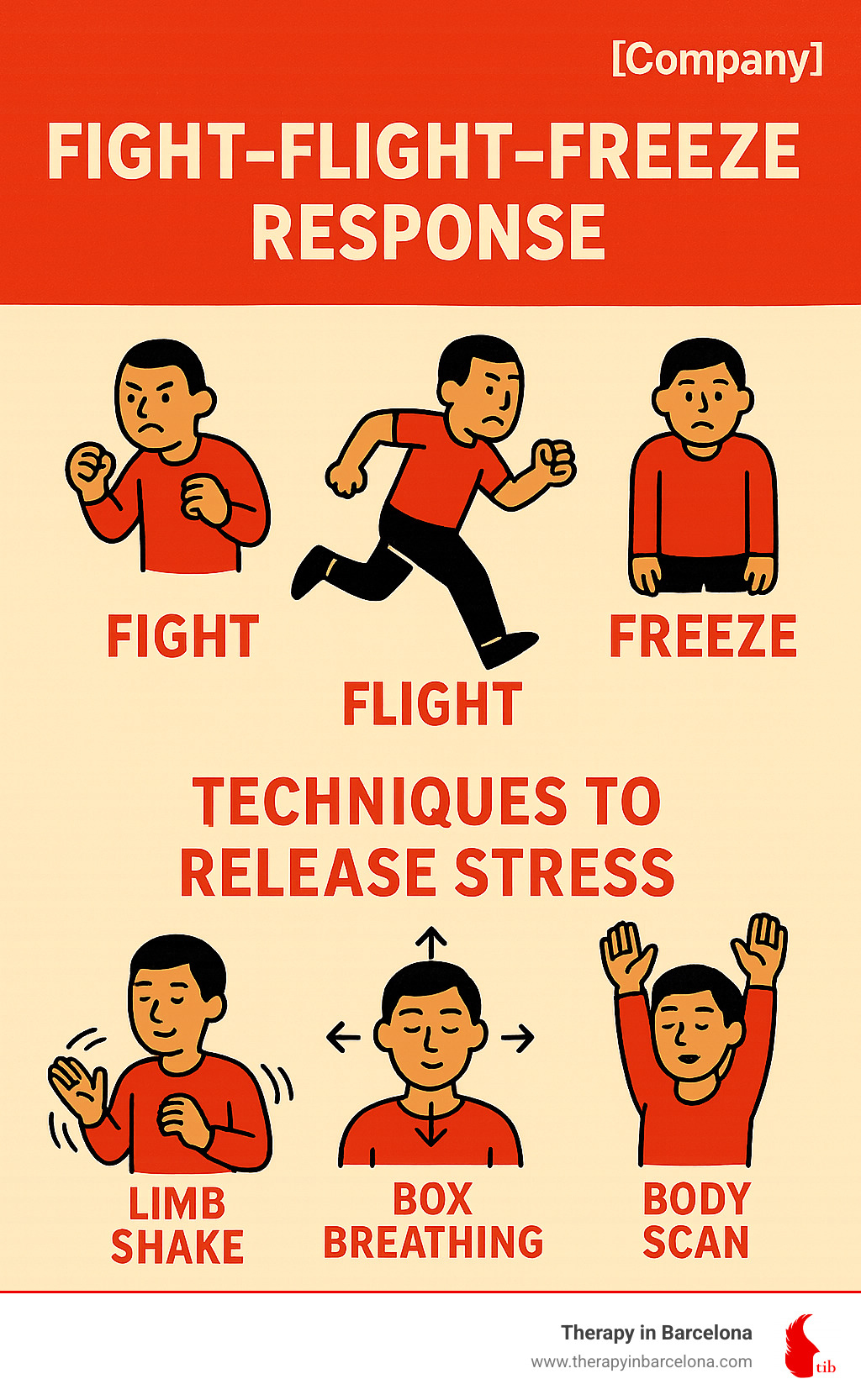
“When your body hits pause in the freeze response, physical movement is essential to fully release the stress,” explains a somatic therapist. “Talking alone isn’t enough—your body also needs to complete the stress cycle.”
Building Your Support Ecosystem Abroad
When you’re living in a new country, creating meaningful connections isn’t just nice to have—it’s essential for your mental wellbeing. Research consistently shows that social connection is one of the strongest predictors of expat mental wellness.
“The expats who thrive aren’t necessarily the ones with the best language skills or the highest salaries—they’re the ones who build diverse support networks,” explains Leigh Matthews. “Rather than relying on just one or two connections, successful expats create multiple channels of support.”
Think of your social connections as a garden that needs regular tending. At first, it might feel overwhelming to put yourself out there, especially when you’re already navigating so many other aspects of life abroad. But the effort pays significant dividends for your mental health.
Many newcomers find that joining expat groups provides immediate relief—there’s something deeply validating about spending time with others who understand exactly what you’re going through. While local integration is important for long-term happiness, these expat connections offer a soft landing during your initial adjustment.
Language classes serve a dual purpose—they help you develop crucial communication skills while introducing you to others on similar journeys. The shared experience of struggling with pronunciation or celebrating small victories creates natural bonds.
Volunteering connects you to your new community in meaningful ways. Whether you’re helping at a local food bank, joining a beach clean-up, or mentoring students, contributing your time and talents helps combat the feeling of being an outsider while introducing you to like-minded people.
Finding a peer mentor—someone who has lived in your location longer and can show you the ropes—can significantly ease your transition. These relationships often develop naturally through work connections, expat groups, or online forums.
Speaking of online communities, platforms like Expat Forum provide support and practical information, especially during those initial weeks and months when everything feels unfamiliar.
Language & Cultural Immersion: Hidden Mood Boosters
Learning the local language does more than just improve your ability to order coffee correctly—it significantly impacts expat mental wellness in multiple ways.
First, it reduces those daily frustrations and misunderstandings that can wear you down over time. There’s a special kind of exhaustion that comes from not being able to express yourself or understand others, and even basic language skills can alleviate this strain.
Language learning also increases your sense of autonomy and competence. Instead of relying on others to translate or steer for you, you gradually gain independence—a powerful antidote to the helplessness many newcomers experience.
Perhaps most importantly, language opens doors to deeper cultural understanding and connections. As one language acquisition researcher notes, “Learning the local language boosts confidence and sense of belonging beyond practical communication benefits.”
Even if fluency feels like a distant goal, learning these essential phrases can make an immediate difference:
- Greetings and pleasantries that show respect
- Asking for help or directions when you’re lost
- Expressing basic needs in shops and restaurants
- Emergency vocabulary for urgent situations
- Cultural expressions and idioms that demonstrate your interest

Beyond language, cultural immersion activities serve as powerful mood boosters. Trying local foods, participating in regional festivals, reading books by local authors, or taking classes in traditional crafts all create positive associations with your new home.
“Accept the new culture through local events and traditions,” recommends an intercultural coach. “These experiences create positive associations with your new home and foster a sense of belonging.”
When & How to Seek Professional Help
Sometimes, despite our best self-care efforts, we need a helping hand. Recognizing when to reach out for professional support isn’t admitting defeat—it’s actually a powerful act of self-care and personal strength.
If you’re wondering whether it’s time to connect with a mental health professional, pay attention to these warning signs that your expat mental wellness might need extra support:
- Persistent feelings of sadness or emptiness that linger for more than two weeks
- Anxiety that begins to interfere with your daily life abroad
- Thoughts about harming yourself or feeling that life isn’t worth living
- Noticeable changes in your sleep patterns, appetite, or energy levels
- Struggling to keep up with work or personal responsibilities
- Finding yourself reaching for alcohol or substances to cope with stress
- Feeling completely overwhelmed by cultural adjustment challenges
“Depression isn’t something you can simply ‘snap out of’ through willpower,” explains Leigh Matthews, founder of Therapy in Barcelona. “Just as you’d see a doctor for a physical illness, seeking help for mental health concerns is a responsible form of self-care—especially when you’re navigating the added complexities of expat life.”
The good news is that there are several paths to professional support, even when you’re far from home:
Individual therapy offers a private space to work through challenges with a trained professional who understands expatriate experiences. Group therapy can provide both professional guidance and the comfort of connecting with others facing similar struggles. For those in remote locations or with busy schedules, online counseling via secure video platforms has become an increasingly accessible option.
Some situations might benefit from psychiatric care, particularly if medication could be helpful alongside therapy. And don’t overlook your employer’s Employee Assistance Program (EAP)—many international companies offer confidential counseling services as part of their benefits package.
Finding the Right Therapist While Abroad
The search for the right therapist as an expat comes with unique considerations. Here’s what to keep in mind:
Cultural understanding matters enormously—ideally, find someone who understands both your home culture and your host culture. Many expats find it easier to express complex emotions in their native language, so a language match can be crucial for effective therapy.
If you’re considering online therapy, check for time zone compatibility to ensure session times work with your schedule. Always verify a potential therapist’s credentials and qualifications, particularly their experience working with expatriate clients.
Different therapeutic approaches (like CBT, ACT, or psychodynamic therapy) address different needs, so research which might work best for your specific concerns. Most importantly, many therapists offer an initial consultation—use this opportunity to assess whether you feel comfortable with them before committing.
“At Therapy in Barcelona, we invest significant time in ensuring we make the best match between therapist and client,” Leigh Matthews explains. “We don’t just assign you to the next available professional. This careful matching process might seem like an extra step, but it’s absolutely essential for providing truly personalized and effective support.”
For expats in Barcelona and around the world (except USA and Canada-based clients), Therapy in Barcelona offers specialised support from therapists who are themselves expats and deeply understand international life’s unique challenges. For those elsewhere, the International Therapist Directory can help locate culturally sensitive providers worldwide.
Plan Ahead: Stress-Proof Your Move
Moving abroad is exciting, but a little preparation goes a long way for your expat mental wellness. As someone who’s helped countless expats steer this transition, we’ve seen how proactive planning can transform the experience from overwhelming to manageable.
“Moving to a new country can be an exciting trip full of opportunities for personal and professional growth,” acknowledges Leigh Matthews, founder of Therapy in Barcelona. “But proper preparation can make the difference between thriving and merely surviving.”
Before you pack those suitcases, consider these gentle but essential preparations:
Set realistic expectations about your adjustment timeline. Most expats need 6-12 months to feel truly settled, with emotional ups and downs along the way. Knowing this is normal can help you be kinder to yourself during challenging moments.
Research beyond the tourist highlights of your destination. Understanding healthcare systems, cost of living, and cultural norms will help you avoid unnecessary stress once you arrive.
Create a financial buffer for unexpected expenses. Money worries can significantly impact your mental health abroad, so plan for a cushion beyond your estimated costs.
Organize important documents before you need them. Having your paperwork accessible and organized reduces bureaucratic headaches—a common source of expat frustration.
Develop a health plan that includes mental health support. Research options before you need them, including online therapy services that can provide continuity of care regardless of location.
Schedule regular communication with loved ones back home. These connections serve as emotional anchors during times of change.
Consider climate impacts on your mood. If you’re moving from a sunny location to somewhere with significantly less sunshine, research strategies for seasonal mood management in advance.
Preventative Check-List Before Departure
Think of this checklist as a gift to your future self—small steps now that will support your expat mental wellness later:
Consider a psychological screening with a mental health professional before departure, especially if you have a history of mental health challenges. This establishes a baseline and helps you develop personalized coping strategies.
Create a support map identifying potential resources both in your destination and remotely. This might include expat groups, professional contacts, online communities, and mental health professionals who work with internationals.
Develop your personal coping toolkit with strategies for managing stress, homesickness, and culture shock. What has helped you steer change in the past? Pack these emotional tools alongside your physical belongings.
Draft a flexible adjustment timeline with milestones and plenty of self-compassion built in. Adaptation isn’t linear—you’ll have good days and challenging ones.
Plan a reconnaissance trip if possible before moving permanently. Even a short visit can provide valuable insights and reduce anxiety about the unknown.
Schedule home visits in advance when possible. Having these anchors on your calendar can provide comfort during difficult adjustment periods.
“Expatriates have a high prevalence of affective and adjustment disorders,” notes a researcher in international mental health. “Preventative measures can significantly reduce this risk.”
Frequently Asked Questions about Expat Mental Wellness
What’s the difference between normal culture shock and a mental health disorder?
If you’ve recently moved abroad, you might be wondering whether those tough days are just part of the normal adjustment process or something more serious. It’s a question many expats ask themselves.
Culture shock is a natural response to navigating a new environment. It typically follows a predictable pattern and – importantly – improves as you adapt. You might feel confused, frustrated, or homesick, but you’re still able to function in your daily life. As you learn cultural norms and build connections, these feelings gradually ease.
A mental health disorder, on the other hand, persists regardless of your adaptation efforts. The symptoms tend to be more intense and significantly impact your ability to function. While culture shock might leave you feeling temporarily down, a mental health disorder can include severe symptoms like persistent hopelessness or thoughts of self-harm.
“If you’re unsure whether what you’re experiencing is normal adjustment or something more serious, it’s always better to consult a professional,” advises Leigh Matthews. “Early intervention can prevent more serious issues from developing.”
Does online therapy really work if I’m constantly travelling?
Absolutely! For mobile expatriates and digital nomads, online therapy can be a lifeline of consistent support in an otherwise changing environment.
The beauty of online therapy is that it travels with you. Whether you’re relocating to a new city or frequently on the move, you can maintain a relationship with the same therapist regardless of location changes. All you need is an internet connection to access professional support custom to your expatriate experience.
Many clients appreciate the flexibility of online sessions that work around changing time zones and travel plans. There’s also something to be said for the privacy it offers, particularly in smaller expatriate communities where confidentiality concerns might otherwise prevent people from seeking help.
“Online platforms can match you with qualified counselors quickly and offer flexible session schedules and in-between chat support,” notes a digital mental health specialist. Research consistently shows that online therapy can be just as effective as in-person therapy for many common mental health concerns.
How long until I feel “settled” in my new country?
This is perhaps the question I hear most often from newly arrived expats, and my answer is always the same: it depends on you and your unique circumstances.
While everyone’s journey is different, research does suggest some general timelines:
Initial adjustment typically takes about 3-6 months. During this time, you’ll establish basic routines and develop familiarity with your surroundings.
Deeper adaptation usually happens within 6-12 months. This is when you start developing meaningful connections and greater cultural competence. You begin to understand unspoken cultural norms and feel less like an outsider.
True integration often takes years. This is when you might start to feel a genuine sense of belonging and consider your new location “home.”
Several factors influence how quickly you’ll adjust, including your previous international experience, language skills, the cultural distance between your home and host cultures, your personal resilience, family situation, work environment, and how successfully you build social connections.
Conclusion
Living abroad offers a beautiful mix of experiences, but maintaining your expat mental wellness requires thoughtful attention and care. The expatriate journey isn’t just about surviving in a new country—it’s about creating a life where you can truly thrive, even when facing challenges unique to international living.
“The only way out of difficult emotions is to go through them,” as one of our expatriate counselors often reminds clients. This wisdom resonates particularly well with the expatriate experience—acknowledging the struggles while embracing the tremendous growth they can inspire.
Your expat mental wellness journey is deeply personal, but certain principles can guide you along the way:
Cultivate a resilience mindset that views challenges as doorways to growth rather than obstacles. Each cultural misunderstanding or moment of homesickness can teach you something valuable about yourself and your capacity to adapt.
Celebrate small wins along your adjustment journey. Did you steer the healthcare system in your new language? Successfully explain a complex idea to a local friend? These moments deserve recognition as significant milestones.
Maintain meaningful connections, both locally and globally. Your support network might now span continents, but technology makes it possible to nurture these vital relationships regardless of distance.
Recognize when self-care practices aren’t enough. Seeking professional support isn’t a sign of weakness—it’s a courageous step toward thriving abroad.
Be patient with yourself. Cultural adaptation doesn’t happen overnight. The emotional ups and downs of the adjustment curve are normal, and moving through them takes time.
At Therapy in Barcelona, we intimately understand the unique mental health challenges faced by expatriates because we’ve lived them ourselves. Our team of qualified therapists are fellow expats who have steerd the complex terrain of international life. Whether you’re struggling with cultural adjustment, identity shifts, relationship challenges, or other mental health concerns, we provide culturally sensitive support specifically custom to the expatriate experience.
Remember: you are not alone on your expatriate journey. Millions of people worldwide are navigating similar challenges, and support is available. By prioritizing your expat mental wellness, you’re investing not just in your present happiness but in your ability to fully accept the rich, transformative experience of international living.
For more information about expat-focused therapy services, visit Therapy in Barcelona.
