


Open up Your Relationship’s Potential with Worksheets

Navigating relationships can be a complex journey. When you add the unique challenges of living abroad – new cultures, language barriers, and distance from your usual support network – it can feel even more demanding. You might feel disconnected from your partner, or perhaps misunderstandings are more common than you’d like.
The good news? Even the healthiest relationships encounter problems and confusion from time to time. That’s where relationship worksheets come in.
Relationship worksheets are guided exercises designed to help individuals and couples explore, understand, and improve their relationships.
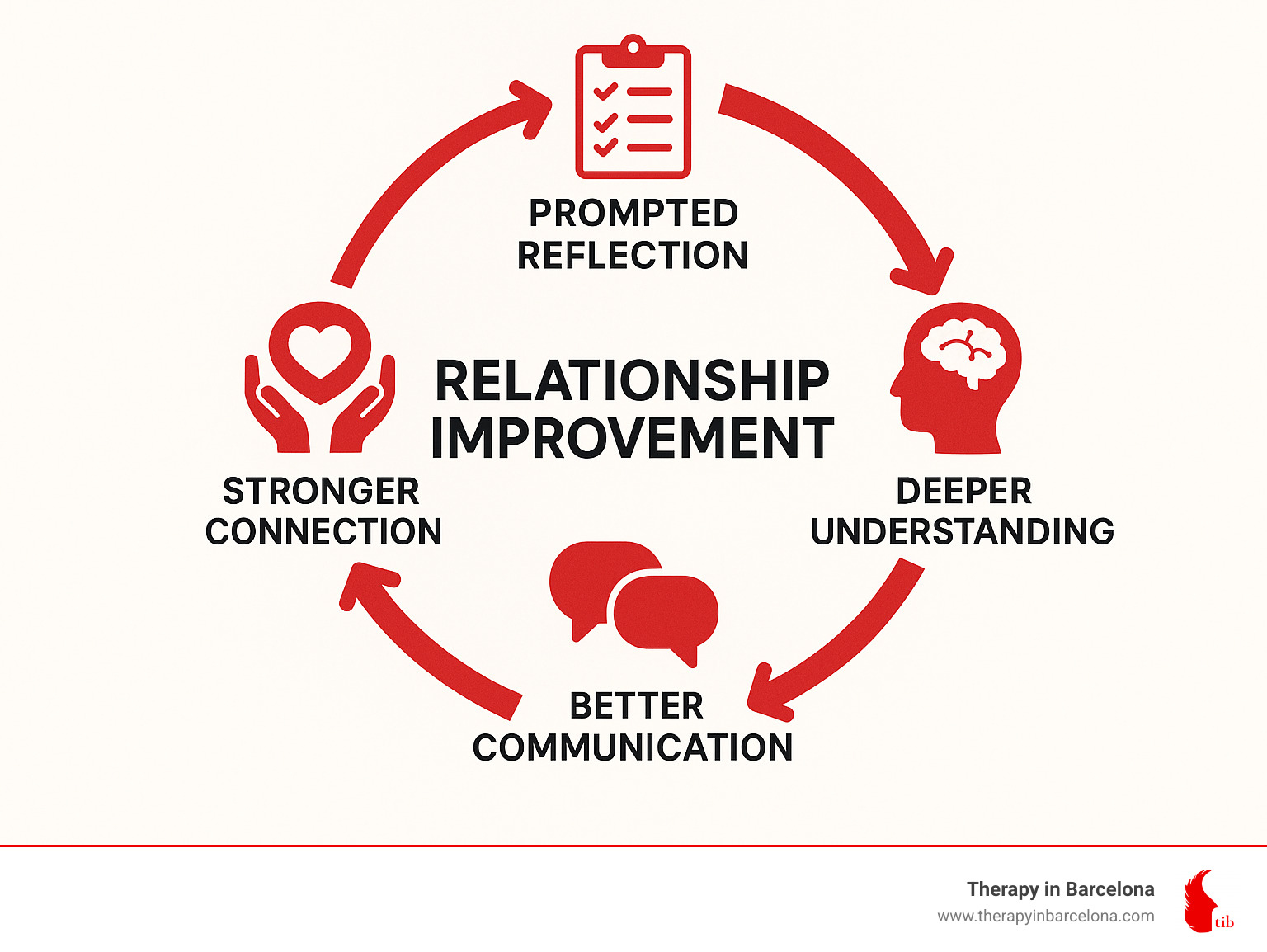
They offer a practical blueprint for building stronger bonds by helping you:
- Improve communication: Learn to express your needs and listen more effectively.
- Deepen understanding: Gain insight into your partner’s perspective and your own.
- Resolve conflict: Find healthier ways to steer disagreements.
- Strengthen bonds: Foster intimacy, trust, and connection.
- Promote self-awareness: Understand your own patterns and needs.
While these powerful tools are not a substitute for the dedicated support of a therapist, they are an excellent supplement. They offer a structured, gentle way to begin meaningful conversations and foster personal growth, both on your own and together.
The Foundations: What Makes a Relationship Healthy?
Before we dive into how relationship worksheets can transform your connection, let’s explore what we’re actually working towards. What does a truly healthy relationship look like? It’s not just about avoiding arguments or putting on a happy face – it’s something much richer and more dynamic.
Think of a healthy relationship as a living, breathing partnership built on several essential pillars. Mutual respect sits at the heart of it all, where both partners genuinely value each other’s thoughts, feelings, and boundaries. From there, trust and honesty create the foundation that allows you to be vulnerable without fear. Open communication becomes the bridge that connects you, letting both partners express needs and concerns without walking on eggshells.
But here’s what’s beautiful about healthy relationships – they also celebrate individuality. You maintain your own interests, friendships, and dreams while building something together. Shared values give you common ground to stand on, even when life gets complicated.
Here’s something that might surprise you: even the healthiest relationships face problems regularly. The difference isn’t the absence of conflict – it’s how couples steer those rough patches together. Relationship skills aren’t something we’re born with; they’re learned, often by watching family members or picking up habits from friends during our formative years. Many of us never had formal training in these crucial life skills, which is where intentional practice becomes invaluable.
To get a clearer picture of where your relationship stands right now, tools like “The Relationship Wheel” can be incredibly eye-opening. This visual assessment lets you rate different aspects of your partnership – communication, trust, intimacy, support, boundaries, and shared goals – on a scale of 1-10. The result? A honest snapshot of your relationship’s strengths and the areas that could use some attention.

This is where relationship worksheets become your secret weapon. They provide a structured framework for conversations that might otherwise feel overwhelming or go nowhere. Instead of vague goals like “we need to communicate better,” worksheets break things down into actionable steps and specific discussions.
What makes these tools so powerful is how they foster both self-awareness and empathy. As you work through guided questions, you start understanding your own patterns and needs more clearly. At the same time, you’re gaining insight into your partner’s inner world – their fears, hopes, and the experiences that shaped them.
For couples navigating the unique challenges of expat life – cultural differences, language barriers, or being far from familiar support systems – this structured approach can be especially valuable. It transforms abstract concepts into concrete actions you can take together.
If you feel you need more than worksheets, exploring professional support can be a transformative step. At Therapy in Barcelona, our team specialises in the particular dynamics that international couples face. Many of our therapists are expats themselves, so we have a lived understanding of navigating love far from home. We offer culturally sensitive support that honours both partners’ backgrounds, helping you build a shared language for your life together in Barcelona, Madrid, or wherever your journey takes you. You can find more information about our approach to couples therapy here.
A Curated List of Free Relationship Worksheets
Now that we understand the ‘why’ behind using these tools, let’s explore the ‘what’ and ‘how’. There’s a wonderful world of practical, downloadable relationship worksheets available that can address different stages and challenges within your relationship. Whether you’re looking to deepen your bond, improve how you communicate, or steer disagreements more effectively, there’s a worksheet designed specifically for your needs.
Before diving into specific examples, it’s worth noting the most effective approach to using these tools. Each partner should complete the worksheet individually first – this allows for honest self-reflection without the immediate influence of your partner’s perspective. Think of it as creating your own emotional space to truly consider your thoughts and feelings.
Once you’ve both completed your individual reflections, choose a calm and relaxed time to discuss your responses together. Perhaps over a cup of coffee on a Sunday morning, or during a quiet evening walk. The goal isn’t to “win” an argument or prove a point, but to focus on understanding each other’s viewpoints and feelings. Approach these discussions with curiosity and compassion, remembering that even the healthiest relationships encounter problems and misunderstandings – it’s how we steer them that makes the difference.

For Deepening Connection and Intimacy
Over time, the initial spark in relationships can sometimes dim, especially amidst the stresses of daily life or adapting to a new country. The excitement of exploring Barcelona together might fade into routine, or work pressures might leave little energy for romance. Relationship worksheets focused on connection and intimacy can help rekindle that spark, reminding you of what drew you together in the first place.
These tools encourage you to reflect on qualities you admire in your partner and identify specific actions that make you feel loved. The “About Your Partner” worksheet might prompt you to consider what first attracted you to them, while “Valuing My Partner” helps you articulate the ways they contribute to your life and happiness.
One particularly powerful resource is the Fondness & Admiration Guide, designed to help couples focus on and articulate the positive aspects of their relationship. This tool helps you build a reservoir of appreciation that can sustain you through challenging times. Similarly, “Three Things We Have In Common” can help you refind shared interests and values that brought you together, or identify new ones you’ve developed along your journey.
These exercises often explore the concept of “love languages” – the different ways people express and receive love. Some people feel most loved through words of affirmation, others through quality time, gifts, acts of service, or physical touch. By identifying your partner’s love language and consciously acting on it, you can significantly improve their feeling of being valued and cherished.
The worksheets also encourage you to create positive connection rituals. This might be a daily check-in over morning coffee, a weekly date night exploring a new neighbourhood in Barcelona, or a monthly relationship review where you celebrate your growth together.
For Improving Communication and Understanding
Communication challenges are universal, but for expats, they can feel particularly intense. You might find yourselves navigating not just relationship dynamics, but also cross-cultural communication styles where nuances in language and social cues might be missed or misinterpreted. Perhaps one partner’s direct communication style, perfectly normal in their home culture, feels harsh to someone from a more indirect cultural background.
Relationship worksheets designed for communication provide the structure needed to steer these complexities. Tools like “Effective Communication Reflection” help you examine your own communication patterns, while “Active Listening Reflection” focuses on truly hearing and understanding your partner. The “Speaker & Listener Skills” worksheet creates a framework for taking turns expressing yourselves without interruption or immediate judgement.
These tools help you develop active listening – the art of truly hearing and understanding your partner rather than just waiting for your turn to speak. This involves giving your full attention, asking clarifying questions, and reflecting back what you’ve heard to ensure understanding. Imagine your partner sharing frustration about work, and instead of immediately offering solutions, you first acknowledge their feelings: “It sounds like you’re feeling overwhelmed and unsupported at work. That must be really difficult.”
The worksheets also guide you in using “I” statements to frame your feelings and needs. Instead of “You never listen to me,” which can trigger defensiveness, you might say “I feel unheard when I’m trying to share something important, and I’d love to find a way for us to connect better during these moments.”
Understanding non-verbal cues becomes particularly important when cultural backgrounds differ. A worksheet might help you explore how tone of voice, body language, and facial expressions are interpreted in your respective cultures, leading to greater awareness and fewer misunderstandings.
Perhaps most importantly, these tools teach constructive responding – learning to respond to your partner’s successes and challenges in ways that build them up rather than tear them down. Research shows that couples who use maintenance strategies like positivity and openness develop stronger intimacy and commitment over time.
For Navigating Conflict Constructively with relationship worksheets
Here’s the truth about conflict: it’s not the enemy of healthy relationships. In fact, some conflict is inevitable given our human capacity for misunderstanding and our individual differences. The goal isn’t to eliminate disagreements entirely – that would be both impossible and unhealthy – but to learn how to turn friction into creative tension, a driver of positive change and deeper understanding.
Relationship worksheets provide excellent frameworks for navigating disagreements more constructively. A “Conflict Resolution Checklist” might guide you through identifying the real sources of your differences (often deeper than the surface issue you’re arguing about) and clarifying what actually needs to change. “Anger Exit & Re-Entry Routines” help partners recognise when emotions are running too high and establish a plan for cooling off and re-engaging in a calmer state.
The Aftermath of a Fight Guide is particularly valuable for processing what happened after an argument. Rather than sweeping hurt feelings under the rug or letting resentment fester, this tool helps you understand what triggered the conflict, how each person felt, and what you can learn for next time.
These worksheets excel at identifying triggers – those specific events or behaviours that tend to escalate conflict for you and your partner. Perhaps one of you feels triggered when plans change unexpectedly, while the other struggles when feeling criticised. Understanding these patterns helps you approach sensitive topics more thoughtfully.
Managing emotional intelligence becomes crucial during conflicts. Worksheets might include tools like the EQ 5 Point Tool, helping you recognise and regulate your own emotions while empathising with your partner’s feelings, even when you disagree. This isn’t about suppressing your emotions, but about expressing them in ways that invite connection rather than defensiveness.
The focus on de-escalation techniques is particularly helpful. This might involve agreeing on a time-out signal when things get heated, using gentle humour to lighten the mood, or practicing specific phrases that help calm the situation: “I can see this is really important to you. Help me understand your perspective.”
By using these relationship worksheets, couples can transform potentially destructive arguments into opportunities for growth, strengthening their bond through effective problem-solving and mutual respect. The key is approaching conflict as a team working together to solve a problem, rather than adversaries trying to win a battle.
Worksheets for Self-Reflection and Personal Growth
While many relationship worksheets are designed for couples, their power extends far beyond partnered dynamics. Whether you’re single, dating, or in a committed relationship, these tools offer a pathway to profound self-reflection and personal growth. Understanding your own patterns, needs, and desires is often the crucial first step toward building healthier relationships with others – and with yourself.

Self-awareness and emotional intelligence form the foundation of healthy relationships. Relationship worksheets can strengthen these qualities by encouraging you to explore your inner world more deeply. One particularly valuable area to explore is your attachment style – the patterns of how you connect with others that were shaped during your earliest relationships.
Our childhood experiences and early attachment patterns significantly influence how we relate to others as adults. Perhaps you find yourself becoming anxious when your partner seems distant, or maybe you have a tendency to pull away when things get too intimate. Understanding these patterns through guided reflection can be genuinely eye-opening.
The “Imago Workup” is a powerful tool that helps individuals identify desired qualities in a partner, often revealing connections to childhood experiences and unresolved needs. It’s fascinating how our unconscious mind seeks out relationships that can help us heal old wounds. The “Self-Reflection on Intimate Relationships” worksheet prompts deeper introspection about how your behaviours affect your significant others and what you might need to be more mindful of moving forward.
A “Relationship Authenticity Checklist” encourages you to assess how genuine you are with others. Are you showing up as your true self, or are you wearing masks to please or protect? This kind of honest self-examination can help you align your actions with your authentic self, leading to more fulfilling connections.
These tools are also invaluable for identifying unhealthy patterns or red flags in relationships. Codependency, for instance, often shows up as an overwhelming need to control others, taking excessive responsibility for another person’s moods or problems, struggling with authentic communication, and maintaining poor interpersonal boundaries. Relationship worksheets can help you recognise these tendencies in yourself and others, empowering you to build healthier personal boundaries.
The beauty of using these tools for self-reflection is that they benefit you regardless of your relationship status. If you’re currently single, working through these exercises can prepare you for future connections, ensuring you enter them with greater clarity and confidence. If you’re in a relationship, individual work often creates positive ripple effects that improve your partnership dynamics.
Even if you’re not ready to share worksheets with a partner, using them for personal growth can still transform your relationships. When you understand your own triggers, needs, and patterns better, you naturally become a more conscious and intentional partner.
Exploring these patterns on your own can be incredibly revealing. For those wanting to go deeper, individual therapy provides a safe, confidential space to do this work. At Therapy in Barcelona, we specialise in supporting internationals on their unique journeys. We offer personalised therapist matching to connect you with someone who truly understands the nuances of expat life, providing support that is customised to your specific challenges and goals. You can learn more about our individual therapy services here.
Frequently Asked Questions about Relationship Worksheets
Bringing new tools into your relationship can sometimes spark a few questions, and that’s perfectly normal! Perhaps you’re wondering how to even begin, or what to do if your partner isn’t quite on board. Let’s explore some common queries about relationship worksheets and how you can approach them effectively, making them a positive part of your journey together.
How can we start using relationship worksheets without it feeling forced?
Nobody wants to feel like they’re being made to do homework, especially when it comes to their relationship! The trick here is to make it feel less like a chore and more like a warm, shared experience. Instead of presenting it as a formal task, try framing it as a team activity – perhaps a “relationship check-in” or a gentle way to “learn even more about each other.” It’s about strengthening your bond, together.
Timing is everything, too. Pick a calm, relaxed time when you’re both feeling settled and open, not when you’re stressed or already in the middle of a disagreement. Imagine a quiet evening, maybe with a cup of tea or before a cosy dinner – that’s often the perfect moment. And here’s a little secret: don’t jump straight to conflict resolution! Start with a fun, positive worksheet first. Something light-hearted, like an appreciation exercise or a “get to know your partner” quiz, can make the whole process enjoyable and build a lovely, positive momentum. You could even lead by example, filling out a worksheet yourself and openly sharing your thoughts first. This shows your partner your genuine willingness to be open and engage.
What if my partner refuses to participate?
It’s completely understandable to feel a bit disheartened if your partner isn’t as keen to dive into relationship worksheets as you are. But don’t worry, their reluctance doesn’t mean these tools are useless for your situation! Many relationship worksheets can be completed individually. This means you can still use them for powerful self-reflection, gaining incredible insight into your own needs, your unique communication style, and how you react in different situations.
This kind of self-awareness is a superpower on its own, and it can profoundly impact your relationship dynamic even if only one of you is actively using the worksheets. By understanding your own needs and reactions better, you might uncover patterns or gain insights that empower you to respond differently, leading to positive shifts. If you find yourself consistently facing resistance from your partner, or if you’re feeling overwhelmed by the relationship’s challenges, consider individual therapy. It offers a safe, confidential space to explore your feelings, learn to set healthy boundaries, and develop effective coping strategies. Here at Therapy in Barcelona, our expat therapists are skilled at helping individuals steer these complex relationship situations, offering customised support and guidance for your personal journey.
Are these worksheets a substitute for couples therapy?
This is a crucial question, and the simple answer is no. While relationship worksheets are powerful tools for maintenance and guided conversation, they are not a substitute for professional therapy, especially when dealing with deep-seated issues. Think of it this way: worksheets are like a helpful travel guide for your relationship journey, but a therapist is the experienced, local guide who can help you steer the truly tricky terrain.
You have many options for support, from large, algorithm-driven platforms like BetterHelp to the public health system. However, for expats, these often miss the mark. They may lack the cultural nuance or the personalised attention needed to address the specific challenges of an international relationship.
At Therapy in Barcelona, we offer a different approach. We provide a bespoke, confidential service with personalised therapist matching. Many of our therapists are expats themselves, bringing a lived understanding of your experience. We don’t sell your data, and we focus on creating a warm, supportive environment where you can explore complex issues like infidelity, deep-rooted conflict, or the unique pressures of expat life with a professional who truly gets it. Worksheets are a fantastic supplement to this process—many of our therapists use them as part of their work—but they can’t replace the power of a dedicated, culturally sensitive therapeutic relationship.
Building a Stronger Bond, Together
So, we’ve explored how relationship worksheets can be incredibly powerful tools. They serve as a practical blueprint, offering a clear starting point for those vital conversations that deepen your connection. Think of them as your guide to fostering greater self-awareness, building empathy, and learning to solve problems together in a way that truly works. From rekindling intimacy and making your communication smoother to navigating disagreements with grace, these tools are all about empowering you to take proactive steps and actively invest in your relationship’s long-term health and happiness.
The quality of our relationships touches every part of our lives – our sense of belonging, our overall well-being, and even our professional paths. This is especially true for those of us living abroad. The expat journey, while full of trip, often comes with unique stressors like cultural adjustments, moments of isolation, and being far from your usual support system. These challenges can, understandably, place extra strain on even the strongest relationships, making the thoughtful use of tools like relationship worksheets even more valuable.
This is where Therapy in Barcelona steps in. We are more than just a team of therapists; many of us are expats who have walked a similar path. This gives us a deep, lived understanding of the journey you’re on, both individually and as a couple living in a city like Barcelona or Madrid. We offer confidential, culturally sensitive support and a personalised matching process to connect you with a therapist who truly fits your needs. We are here to ensure you feel seen, heard, and understood.
Taking steps to nurture your relationship, whether through the insightful use of relationship worksheets or by seeking professional guidance, is a profound sign of strength. It shows a deep commitment to growth, understanding, and building a more fulfilling connection with your partner. If you and your partner are ready to accept this journey and build a stronger, more resilient bond, we are here to support you every step of the way.
