


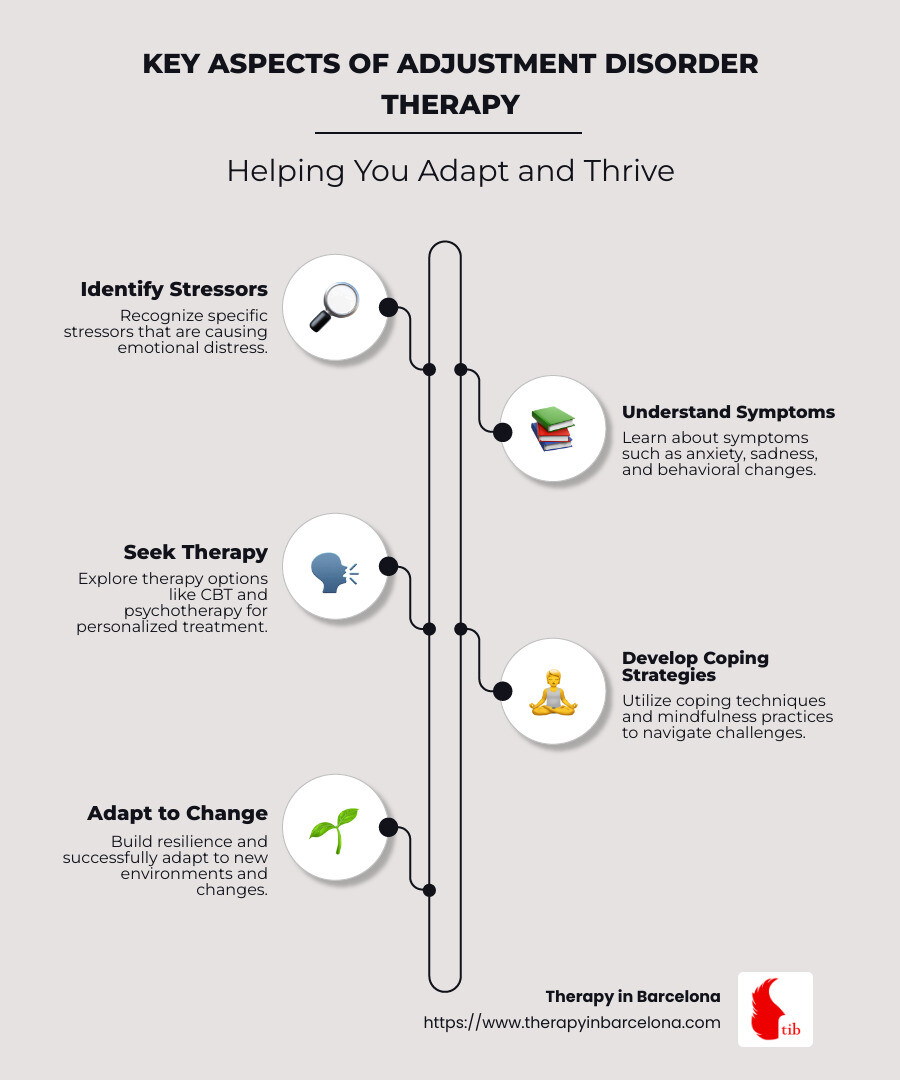
Adjustment disorder therapy is a targeted treatment designed to help individuals who experience excessive emotional or behavioral reactions to a specific stressor.
Here’s a quick overview:
- Definition: Adjustment disorders arise when stressful events lead to persistent emotional or behavioral symptoms.
- Symptoms: These might include sadness, anxiety, or behavioral issues like recklessness.
- Treatment: Therapeutic approaches such as talk therapy and cognitive-behavioral therapies (CBT) are effective.
Life in a busy city like Barcelona can be exciting and demanding, especially for internationals adjusting to a new culture. What starts as a fresh chapter can also bring unexpected stress, anxiety, or loneliness. This experience is more common than many people realize. Cultural changes, language barriers, and distance from familiar support systems can all put emotional resilience under real pressure.
Adjustment disorders often crop up when our stress response to life’s changes becomes overwhelming. Imagine it like a storm that knocks us off course, leading to symptoms that might include feelings of sadness, anxiety, or drastic shifts in behaviour. Psychotherapy and CBT can help individuals find their footing again, offering tools to build resilience and adapt more comfortably to new situations.
At Therapy in Barcelona, our mission is to support people through life’s transitions. With the right therapy, adjustment disorders can become manageable, helping individuals build resilience and move from overwhelm toward greater stability and strength.
Understanding Adjustment Disorders
Adjustment disorders are emotional or behavioral responses to identifiable stressors. These stressors can be anything from a job loss to a significant life change like moving to a new city. In a place like Barcelona, where the vibrant culture can both excite and overwhelm, it’s not uncommon for internationals to face such challenges.
Emotional Response to Stressors
When a stressor hits, our bodies and minds react. For some, this reaction can become overwhelming, leading to what we call an adjustment disorder. The emotional response might manifest as anxiety, sadness, or even anger. Imagine feeling like you’re on a rollercoaster, where emotions are heightened and seem uncontrollable.
Symptoms of Adjustment Disorders
Symptoms of adjustment disorders vary widely. They can include:
- Emotional Symptoms: Feelings of hopelessness, sadness, or anxiety.
- Behavioral Changes: Acting out, withdrawing from social situations, or reckless behavior.
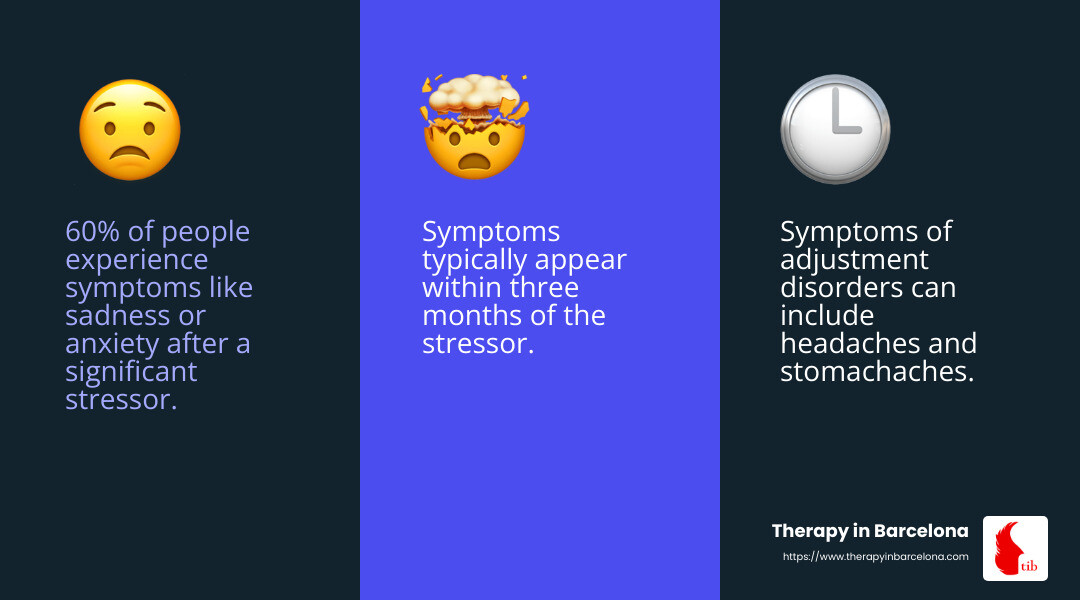
- Physical Symptoms: Headaches, stomachaches, or a general sense of being unwell.
These symptoms typically appear within three months of the stressor and can significantly impact daily life.
Diagnosis
Diagnosing an adjustment disorder involves a thorough evaluation by a mental health professional. They will consider the timing of symptoms, their severity, and their impact on daily functioning. It’s essential to differentiate these symptoms from other mental health conditions, like depression or anxiety disorders.
A healthcare provider may use the Diagnostic and Statistical Manual of Mental Disorders (DSM-5-TR) to guide diagnosis. It helps determine whether a person’s emotional or behavioural response is stronger than would typically be expected for the stressor.
At Therapy in Barcelona, we understand the unique challenges faced by internationals. Our culturally sensitive approach ensures that each person’s experiences and background are considered during the diagnostic process. With the right support, individuals can steer these turbulent times and regain their footing.
In the next section, we’ll explore the different types of adjustment disorders and how they manifest in various emotional and behavioral patterns.
Types of Adjustment Disorders
Adjustment disorders can show up in different ways, depending on how they affect a person emotionally and behaviorally. Let’s break down the main types:
Anxiety
Anxiety is a common response when life throws unexpected challenges our way. For those with adjustment disorder with anxiety, this might mean feeling constantly worried or nervous. You might notice yourself feeling jittery or having trouble concentrating. In children, this can also show up as a fear of being separated from parents or loved ones.
Depressed Mood
When adjustment disorder presents with a depressed mood, it can feel like a heavy cloud hanging over you. You might experience sadness, tearfulness, or a sense of hopelessness. Activities that once brought joy might now feel uninteresting. This type of adjustment disorder can make it hard to find motivation or enjoy life.
Conduct Disturbance
Sometimes, stressors lead to changes in behavior, particularly in young people. Adjustment disorder with disturbance of conduct might involve breaking rules, skipping school, or even engaging in reckless activities like fighting or vandalism. It’s as if the stress turns into frustration, which then manifests in disruptive behaviors.
Mixed Symptoms
For some, the emotional and behavioral reactions are intertwined. Adjustment disorder with mixed anxiety and depressed mood involves both anxiety and depression symptoms. You might feel anxious and worried one moment, and then find yourself feeling low and unmotivated the next. This mix can be particularly challenging as it combines the difficulties of both anxiety and depression.
Understanding the Differences
These types of adjustment disorders highlight how stress can impact people in varied ways. While one person might feel anxious, another might act out or feel depressed. Recognizing these patterns is crucial for getting the right support and therapy.
In the next section, we’ll dive deeper into how adjustment disorder therapy can help manage these symptoms and lead to a path of recovery and resilience.
Adjustment Disorder Therapy
When life throws you a curveball, it’s normal to feel a bit off-balance. But for some, these feelings can turn into an adjustment disorder. The good news? Therapy can be a powerful tool to help you regain your footing.
Psychotherapy
Psychotherapy is often the first step in addressing adjustment disorders. It’s like having a conversation with someone who understands and can guide you through the maze of your emotions. This approach focuses on helping you understand your feelings and develop healthier ways to cope with stress.
Cognitive-Behavioural Therapy (CBT)
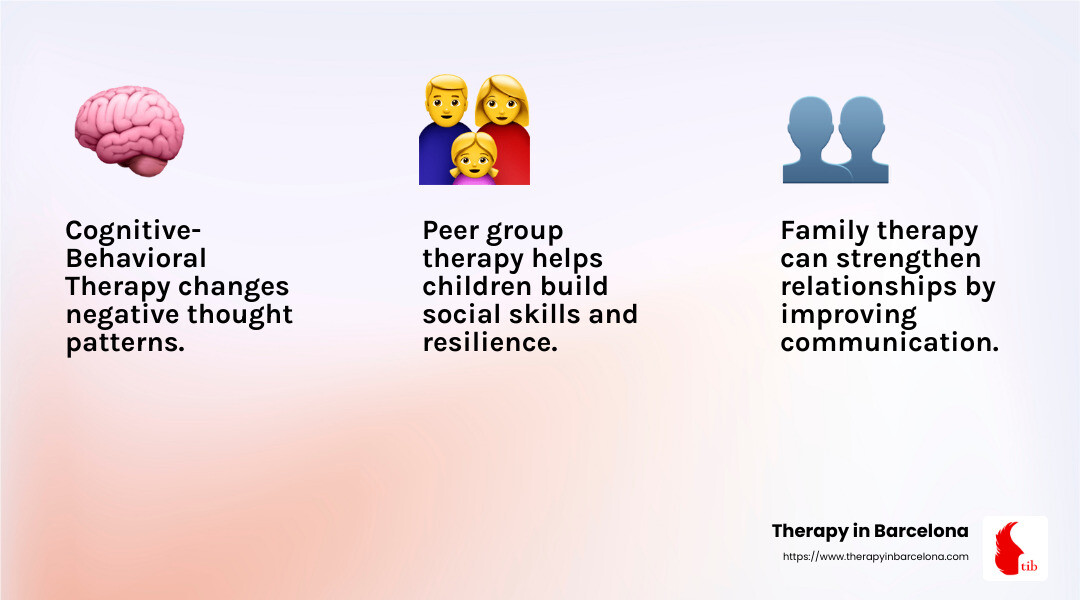
Cognitive-Behavioural Therapy (CBT) is a popular choice for treating adjustment disorders. It’s all about changing negative thought patterns and behaviors. Imagine you’re facing a big life change, like moving to a new city. CBT helps you identify thoughts that might be holding you back, like “I’ll never make new friends,” and teaches you to replace them with more positive, realistic ones.
CBT also offers practical skills for managing stress. You’ll learn how to stay calm in stressful situations and find joy in everyday activities. This therapy is effective because it equips you with tools you can use long after the sessions end.
Family Therapy
Sometimes, adjustment disorders affect more than just the individual. Family therapy brings everyone together to improve communication and support. It’s especially helpful when stressors impact family dynamics, like during a divorce or a major relocation.
In family therapy, each member learns to express their feelings constructively. This can strengthen relationships and create a supportive environment for everyone involved.
Peer Group Therapy
For children and adolescents, peer group therapy can be incredibly beneficial. Kids often find comfort in knowing they’re not alone in their struggles. In these sessions, they can share experiences and learn from each other, building social skills and resilience.
Peer group therapy focuses on enhancing interpersonal skills and providing a safe space for young people to express themselves.
Finding the Right Fit
Choosing the right therapy depends on individual needs. At Therapy in Barcelona, we tailor our approach to fit your unique situation. Whether it’s CBT, family therapy, our goal is to help you steer life’s challenges with strength and resilience.
In our next section, we’ll explore the balance between nonpharmacologic and pharmacologic approaches, providing a comprehensive view of how to tackle adjustment disorders effectively.
Cognitive-Behavioural Therapy for Adjustment Disorders
Cognitive-Behavioural Therapy (CBT) is a powerful method for treating adjustment disorders. It’s designed to help you understand and change negative thought patterns that might be holding you back. Let’s explore how CBT can transform stress into strength.
Negative Thought Patterns
Imagine you’re facing a significant change, like starting a new job in a foreign city. It’s common to have thoughts like, “What if I fail?” or “I’ll never fit in.” These are negative thought patterns that can make adjustment even harder.
CBT helps you identify these automatic thoughts. Once you spot them, you can challenge and reframe them. Instead of thinking, “I’ll never fit in,” you might learn to say, “It might take time, but I can make new connections.”
Coping Strategies
CBT equips you with practical coping strategies. When stressors arise, having a toolkit of skills can make all the difference. For example, you might learn breathing exercises to calm your mind or problem-solving techniques to tackle challenges one step at a time.
These coping skills are not just for therapy sessions; they become lifelong tools. Whether it’s handling a difficult conversation or managing a busy schedule, these strategies help you stay grounded and focused.
Behavioural Activation
Sometimes, stress can make us withdraw from activities we enjoy. Behavioural activation is a CBT technique that encourages you to engage in positive activities. It’s about finding joy and accomplishment in small things, like taking a walk or trying a new hobby.
By increasing positive behaviors, you can boost your mood and counteract the negative impact of stressors. It’s like adding little bursts of sunshine to your day.
Mindfulness
Mindfulness is another key component of CBT. It teaches you to stay present and fully engage with the moment. This can be especially helpful when anxiety about the future or regrets about the past cloud your mind.
Mindfulness exercises, such as meditation or mindful breathing, help you manage anxiety and reduce stress’s emotional and physical toll. By focusing on the here and now, you can steer life’s changes with clarity and calm.
CBT is a versatile and effective approach to adjustment disorder. It not only addresses immediate symptoms but also empowers you to handle future challenges with resilience and confidence. For more information on how CBT can help you, visit our detailed page on Cognitive-Behavioral Therapy.
Nonpharmacologic and Pharmacologic Approaches
When it comes to adjustment disorder therapy, there are several paths you can take to find relief and build resilience. Let’s explore both nonpharmacologic and pharmacologic options that are available.
Nonpharmacologic Interventions
Therapeutic Techniques: Beyond Cognitive-Behavioural Therapy (CBT), other therapeutic approaches can be beneficial. Family therapy, for instance, can help improve communication and support within the family unit. Peer group therapy provides a sense of community and shared experience, which can be comforting and empowering.
Lifestyle Changes: Simple adjustments in your daily routine can make a big difference. Regular exercise, a balanced diet, and adequate sleep are foundational for managing stress. Techniques like journaling or mindfulness exercises can also improve emotional well-being.
Stress Inoculation Training: This method prepares you to face stress by gradually exposing you to stressors and teaching coping strategies. It’s like a mental workout that builds your resilience over time.
Medication
While nonpharmacologic approaches are often the first line of defense, medication can play a supportive role in some cases.
Antidepressants and Anti-Anxiety Medications: These can be prescribed to help manage symptoms such as persistent sadness or overwhelming anxiety. It’s important to use these under the guidance of a healthcare professional to avoid dependency and manage side effects.
Combination Therapies: Sometimes, combining medication with therapy can provide a more comprehensive treatment plan. This dual approach addresses both the psychological and physiological aspects of adjustment disorders.
Dietary Supplements
Some people explore dietary supplements as part of treatment for adjustment disorder, especially when anxiety is a major symptom. However, the evidence is still limited, and supplements are not considered a first-line treatment. In most cases, therapy, stress-management skills, and healthy routines remain the main approaches, while any supplement use should be discussed with a qualified healthcare professional.
Bioactive Peptides: These are small proteins that can influence brain function and mood. They may help reduce anxiety and promote a sense of calm.
Magnesium: Known for its calming properties, magnesium can support nerve function and help regulate mood.
These supplements should be considered as part of a broader treatment plan, ideally in consultation with a healthcare provider.
By exploring both nonpharmacologic and pharmacologic approaches, you can tailor a treatment plan that suits your unique needs. Whether it’s through therapy, lifestyle changes, medication, or supplements, the goal is to empower you to face life’s challenges with confidence and strength.
Next, we’ll tackle some frequently asked questions about adjustment disorder therapy, shedding light on common concerns and providing practical advice.
Frequently Asked Questions about Adjustment Disorder Therapy
What type of therapy is best for adjustment disorder?
Individual Psychotherapy is often the go-to choice for dealing with adjustment disorders. This therapy focuses on helping you understand and manage your emotions in response to stress. It provides a safe space to explore feelings and develop coping strategies.
Cognitive-Behavioural Therapy (CBT) is a popular approach within individual psychotherapy. It helps identify negative thought patterns and replace them with healthier ones. CBT equips you with practical skills to handle stress and improve your well-being.
Family Therapy can be valuable too, especially if family dynamics are part of the stressor. It improves communication and support within the family, making it easier to steer challenges together.
How to deal with someone with adjustment disorder?
Being supportive is key. Encourage them to seek professional help, like individual psychotherapy. Offer a listening ear without judgment. Sometimes, just being there can make a big difference.
Promote a healthy lifestyle. Encourage regular exercise, balanced meals, and enough sleep. These simple changes can boost mood and energy levels.
Help them find activities that bring joy and purpose. Whether it’s a hobby or volunteering, engaging in meaningful tasks can improve their outlook.
Can adjustment disorder go away on its own?
Yes, adjustment disorder is typically a short-term condition. It often resolves as the person adapts to the stressor or as the stressor itself fades. However, seeking support can speed up recovery and provide tools for future challenges.
Adaptation is a natural process. With time and the right support, most people find their footing again. Therapy can offer strategies to make this transition smoother and prevent potential long-term effects.
By understanding and addressing adjustment disorders, individuals can transform stress into strength, navigating life’s problems with greater resilience.
Conclusion
Therapy in Barcelona is committed to supporting the mental well-being of internationals living in a foreign land. Our services are designed to address the unique challenges faced by expatriates, offering a sanctuary for those navigating the complexities of adjustment disorders.
Personalized Therapist Matching is at the heart of what we do. We believe that the right therapist can make all the difference. That’s why we take the time to understand your specific needs and match you with a therapist who is best suited to help you on your journey. This personalized approach ensures that you receive the most effective and empathetic care possible.
Our team provides culturally sensitive support, recognising the diverse backgrounds and experiences of our clients. Living abroad can be both exciting and daunting, and our therapists, many of whom are expats themselves, bring a deep understanding of the cultural nuances and emotional challenges that come with this lifestyle. We tailor our therapeutic approaches to meet the individual needs of our clients, ensuring that you feel seen, heard, and understood.
Whether you’re dealing with stress, isolation, or the emotional aftermath of a significant life change, Therapy in Barcelona is here to guide you. Our Expat Therapy in Barcelona service is designed to help you transform stress into strength, equipping you with the tools to thrive in your new environment.
By choosing Therapy in Barcelona, you are taking a crucial step towards healing and resilience. Our compassionate and professional team is dedicated to helping you steer your challenges and emerge stronger on the other side.
