


Navigating Identity: Therapy for Third Culture Kids

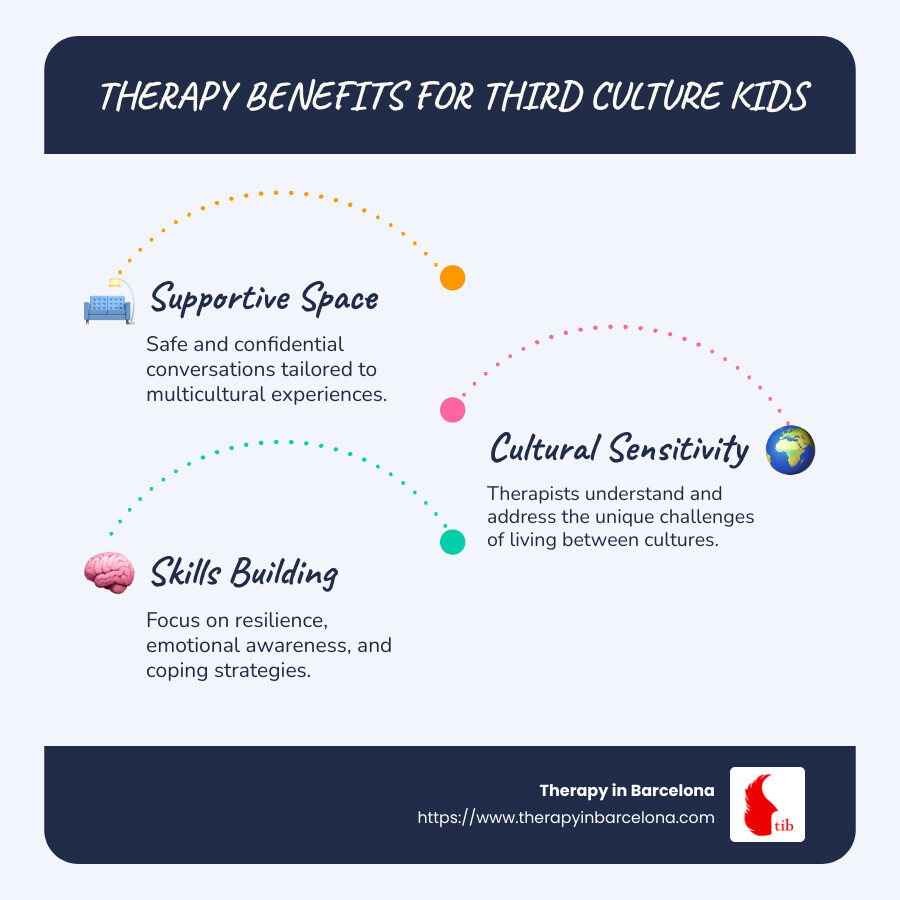
Therapy for third culture kids is crucial in helping them steer the unique identity struggles and cultural adjustments they face, supporting mental health and well-being. These individuals often experience uncertainty about their identity and emotional challenges due to their upbringing between cultures. Therapy provides:
- Supportive Space: Safe, confidential conversations custom to their experiences.
- Cultural Sensitivity: Therapists understand the nuanced challenges of multicultural life.
- Skills Building: Focus on developing resilience, emotional awareness, and coping strategies.
When cultures intermingle, children and adults caught between these diverse environments – often referred to as Third Culture Kids (TCKs) and Adult Third Culture Kids (ATCKs) – face distinct challenges and opportunities. From identity confusion to feeling rootless, their experiences shape them uniquely, demanding special attention and care.
Identity Struggles: Imagine feeling simultaneously connected to multiple cultures yet belonging fully to none. TCKs weave through life’s milestones with the added complexity of not having a single cultural identity to anchor them.
Cultural Adjustment: As they move across countries, TCKs adapt constantly, balancing various cultural expectations. This adaptability is a strength but also a source of stress.
Mental Health: The constant ebb and flow of cultures can lead to emotional difficulties that go unnoticed amidst TCKs’ apparent cosmopolitan flair. Recognizing these issues early is key to helping them thrive, not just survive.
As Leigh Matthews, founder of Therapy in Barcelona, highlights, providing culturally sensitive mental health support for internationals is vital. She brings forward her vast expertise and personal experiences of adapting to life abroad, offering TCKs a guiding hand in balancing their complex cultural identities.
In Therapy for Third Culture Kids, nurturing environments that understand and validate these unique experiences are imperative for mental wellness. By offering custom therapeutic support, these individuals can find their own path amidst the complexities of their multicultural worlds.
Understanding Third Culture Kids
Third Culture: Third Culture Kids (TCKs) are individuals who spend a significant part of their developmental years outside their parents’ culture. They often grow up in a blend of multiple cultures, creating a “third culture” that’s distinct from their birth or host countries. This unique upbringing shapes their worldview, making them adaptable and globally minded.
However, this multicultural experience comes with its own set of challenges.
Identity Crisis: TCKs often grapple with identity confusion. They might ask themselves, “Where do I truly belong?” Growing up in various cultural settings can blur the lines of personal identity. Unlike peers who have a clear cultural background, TCKs might feel they don’t fully fit into any single culture. This can lead to feelings of rootlessness and isolation.
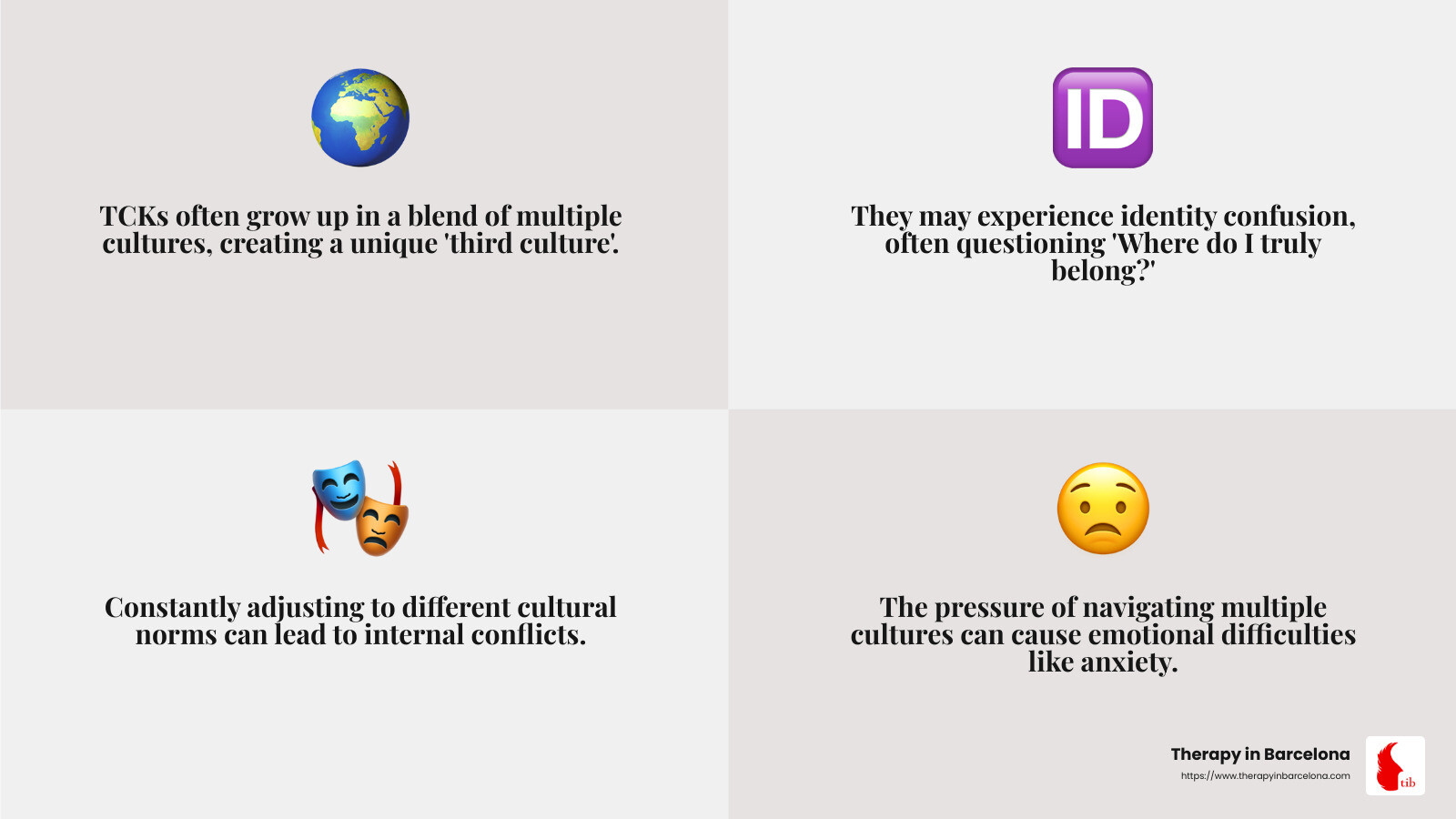
Cultural Expectations: Living in multiple cultures means constantly adjusting to varying norms and values. TCKs learn to steer these expectations, but it can be overwhelming. They might face pressure to conform to different societal norms, leading to internal conflicts. For instance, a TCK might struggle to balance the collectivist values of one culture with the individualistic ideals of another.
This constant cultural negotiation requires TCKs to be flexible yet resilient.
Psychological Impact: The unique experiences of TCKs can lead to emotional difficulties. They might face challenges like anxiety, depression, or loneliness due to their ever-shifting environments. It’s crucial to acknowledge these struggles and provide support to help them thrive.
Leigh Matthews, founder of Therapy in Barcelona, emphasises the importance of culturally sensitive mental health support for internationals. With her extensive experience and personal journey of adapting to life abroad, she offers valuable insights into helping TCKs steer their complex cultural identities.
Therapy for Third Culture Kids is more than just addressing identity crises. It’s about creating a supportive environment where TCKs can explore their unique experiences and find their place in the world amidst the cultural complexities they face.
Therapy for Third Culture Kids
Psychological Support: Third Culture Kids (TCKs) often face unique challenges that can impact their mental health. Growing up in multiple cultures can lead to feelings of not belonging anywhere. Therapy can offer TCKs a safe space to explore these feelings and work through identity confusion. It’s about helping them understand that their diverse experiences are strengths, not burdens.
Leigh Matthews, founder of Therapy in Barcelona, highlights the importance of supporting TCKs with understanding and empathy. Her experience as an expat herself underlines the value of culturally sensitive therapy.
Mental Health Therapy: For TCKs, therapy isn’t just about solving problems. It’s about understanding themselves better. A therapist can help TCKs identify their values and priorities, which might be influenced by the various cultures they’ve experienced. This understanding can help them make sense of their identity and feel more grounded.
Therapists can also assist TCKs in developing coping strategies for the emotional difficulties they might face, such as anxiety or depression. By addressing these issues in a culturally sensitive way, therapy can empower TCKs to steer their unique identities with confidence.
Cultural Sensitivity: Culturally sensitive therapy is crucial for TCKs. It acknowledges that their experiences are different from those who have grown up in a single culture. A therapist who understands the TCK experience can offer insights and support that are custom to their unique needs.
Therapy in Barcelona is committed to offering this kind of support. With a focus on the mental well-being of internationals, the practice ensures that TCKs receive the understanding and guidance they need. By providing a space where TCKs can express their feelings without judgment, therapy becomes a powerful tool for personal growth.
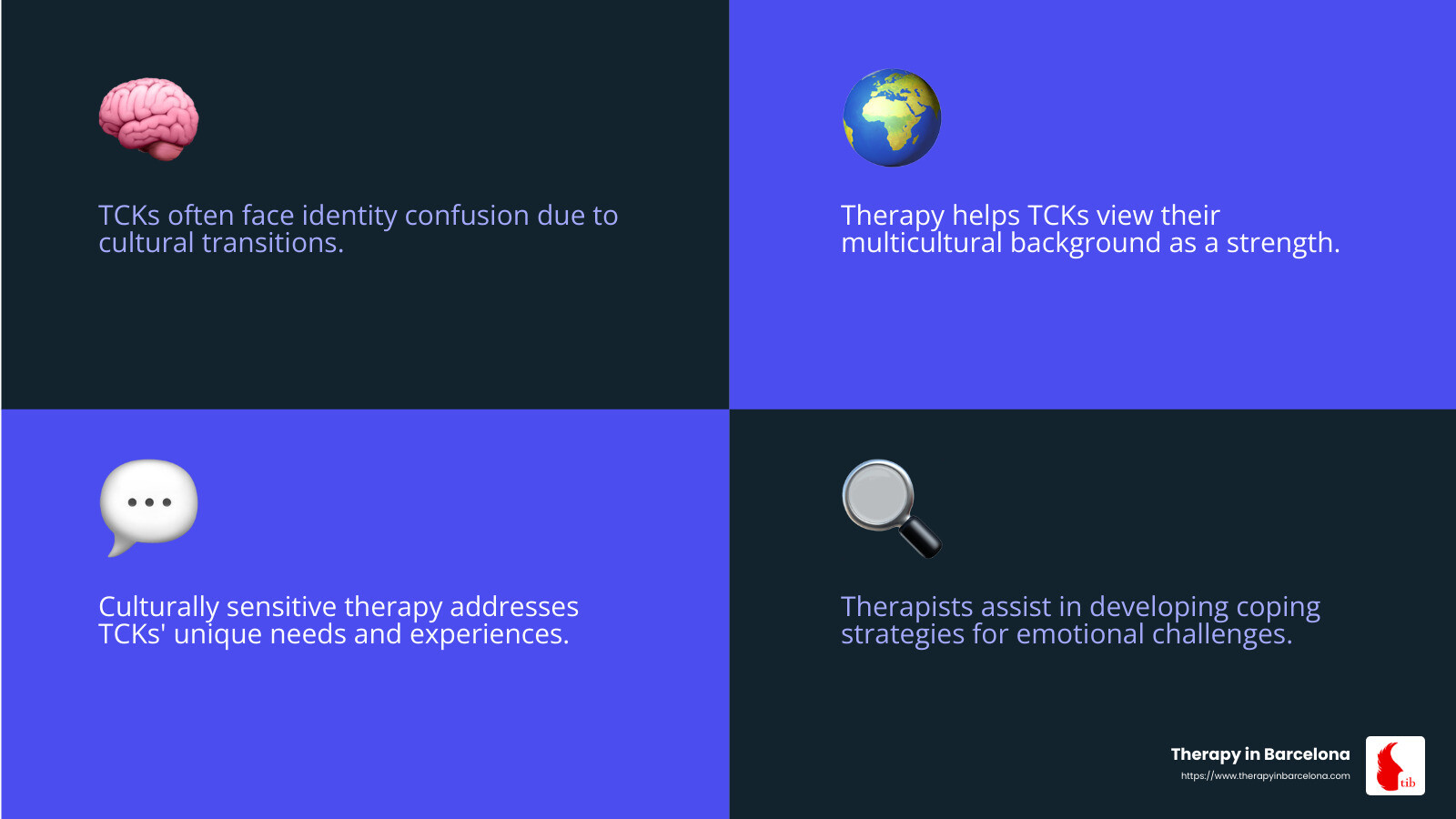
Therapy for Third Culture Kids is about more than just navigating cultural complexities. It’s about helping them accept their unique identities and find their place in the world. As they work through their challenges, TCKs can learn to see their multicultural background as a source of strength and adaptability.
Next, we’ll explore the Benefits of Therapy for Third Culture Kids and how it improves their adaptability, global perspective, and critical thinking skills.
Benefits of Therapy for Third Culture Kids
Adaptability: One of the standout qualities of Third Culture Kids (TCKs) is their adaptability. Growing up in diverse cultures equips them with the ability to adjust quickly to new environments. Therapy can improve this natural skill by helping TCKs understand and harness their adaptability. Through therapy, they learn to see change not as a threat but as an opportunity. This mindset can be a powerful tool in both personal and professional settings, allowing them to thrive in a variety of situations.
Global Perspective: TCKs often possess a global perspective that is rare and valuable. Having lived in multiple countries, they develop a deep appreciation for diverse lifestyles and values. Therapy helps TCKs articulate and refine this perspective, enabling them to apply it more effectively in their lives. This global outlook can foster empathy and understanding, making TCKs effective communicators and collaborators in multicultural environments. By exploring their experiences in therapy, TCKs can gain insights into how their unique worldview can be a significant asset.
Critical Thinking: The multicultural upbringing of TCKs often leads to strong critical thinking skills. They are used to navigating different cultural norms and questioning assumptions. Therapy can further develop these skills by encouraging TCKs to explore their thoughts and beliefs critically. In a therapeutic setting, they can challenge preconceived notions and develop a more nuanced understanding of their identity and the world around them. This ability to think critically is invaluable, helping TCKs make informed decisions and solve complex problems.
Therapy for Third Culture Kids not only addresses the challenges they face but also amplifies their strengths. By supporting their adaptability, global perspective, and critical thinking, therapy empowers TCKs to accept their unique identities and steer life with confidence.
Next, we’ll dig into the Challenges Faced by Third Culture Kids, examining issues like belonging, rootlessness, and emotional difficulties.
Challenges Faced by Third Culture Kids
Belonging
Third Culture Kids (TCKs) often struggle with a sense of belonging. Having lived in various countries, they may feel like outsiders in each. This can lead to a persistent feeling of being “in-between” cultures. TCKs might have friends from different backgrounds and speak multiple languages, but they might not feel fully accepted in any single community.
Pollock and Van Reken (2009) highlight how TCKs form deep connections with others who share similar experiences. These relationships provide a sense of belonging that transcends geographical boundaries. However, without a stable cultural identity, TCKs can still feel isolated, especially when they return to their passport country.
Rootlessness
Rootlessness is another common challenge for TCKs. Moving frequently during childhood means they often lack a permanent home base. This absence of roots can make it difficult for them to identify a place to call “home.” As Angela Gwak, PhD, notes, this lack of a fixed identity can lead to identity crises and a sense of being unsettled.
The constant change of environments can also make forming lasting relationships difficult. TCKs may be adept at making new friends, but they often struggle with the transient nature of these connections. This can contribute to feelings of loneliness and disconnection.
Emotional Difficulties
TCKs face unique emotional challenges. The frequent relocations and cultural adjustments can lead to hidden losses and grief. These feelings, if unaddressed, can manifest as anxiety or depression later in life (Lijadi & Van Schalkwyk, 2014). Emotional difficulties may also arise from the pressure to adapt quickly to new environments and cultures.
Therapy can play a crucial role in helping TCKs process these emotions. By exploring their experiences and feelings in a safe space, TCKs can work through the grief and loss associated with their upbringing. Therapists can help them develop coping strategies and emotional resilience, allowing TCKs to steer their complex emotions more effectively.
In the next section, we’ll address some Frequently Asked Questions about Third Culture Kids, including how to support them and what the “Third Culture Kid Syndrome” entails.
Frequently Asked Questions about Third Culture Kids
How to help third culture kids?
Helping Third Culture Kids (TCKs) thrive involves creating a stable environment amidst the frequent changes they experience. Routines and family traditions are essential. They provide a sense of continuity and comfort, acting as anchors in a constantly shifting world. Simple activities like weekly family dinners or holiday rituals can offer much-needed stability.
Open communication is also key. Encourage TCKs to express their feelings and share their experiences. This dialogue helps them process emotions and develop a stronger sense of identity. Parents and caregivers should listen actively and validate their experiences, making them feel heard and understood.
What is the third culture kid syndrome?
The concept of the “Third Culture Kid Syndrome” was introduced by sociologist Ruth Hill Useem. It describes the unique set of challenges TCKs face due to their upbringing in multiple cultures. TCKs often find themselves juggling their birth culture and the adopted culture of the countries they live in. This can lead to identity confusion, as they may not feel fully at home in either culture.
TCKs often develop a third culture of their own, blending elements from each culture they’ve experienced. This can enrich their worldview but also make it hard to pinpoint where they truly belong. Understanding and supporting their unique cultural identity is crucial in helping them steer these complexities.
What are the drawbacks of being a third culture kid?
While being a TCK comes with many strengths, there are also notable drawbacks. One significant challenge is the feeling of being rootless. Constant relocations mean TCKs often lack a permanent home base, leading to a sense of being unsettled and restless.
TCKs frequently feel different from peers who haven’t shared similar experiences. This can lead to isolation, as they might struggle to relate to others who haven’t lived abroad. They may also face difficulties in forming long-term relationships due to their transient lifestyle.
These challenges highlight the importance of providing TCKs with emotional support and understanding. By recognising and addressing these issues, we can help TCKs build a strong, resilient identity that incorporates their diverse cultural experiences.
In the next section, we’ll explore the Benefits of Therapy for Third Culture Kids, including how therapy can improve their adaptability and global perspective.
Conclusion
Therapy in Barcelona is dedicated to supporting the unique needs of Third Culture Kids (TCKs) and their families. Living between cultures can be both enriching and challenging, and our team understands these complexities. We offer a sanctuary where TCKs can explore their identities and steer their experiences with confidence.
Our approach is all about personalised therapist matching. We know that a strong therapeutic relationship is key to effective therapy. That’s why we carefully pair each client with a therapist who understands their specific cultural background and personal needs. This ensures that TCKs receive the support that truly resonates with them.
Cultural sensitivity is at the heart of our services. Our therapists are not only skilled in various therapeutic approaches but are also attuned to the nuances of living an international life. This understanding is crucial in helping TCKs feel seen and supported as they steer their unique journeys.
At Therapy in Barcelona, we recognise the strengths and challenges that come with being a TCK. Our culturally sensitive support aims to empower these individuals, helping them accept their global identities and thrive in their environments. If you’re seeking a supportive space to explore your experiences as a TCK, reach out to us today to learn more about how we can help.
