


Why Handling Stress and Pressure Matters

When you ask how do you handle stress and pressure, the answer is often found in a combination of proactive steps and healthy coping mechanisms. It involves:
- Recognising the signs of stress early.
- Learning to manage your workload and set clear boundaries.
- Prioritising self-care through diet, exercise, and sleep.
- Utilising relaxation techniques like deep breathing and mindfulness.
- Building a strong support network of friends, family, and colleagues.
- Cultivating a positive mindset and challenging negative thoughts.
- Knowing when to seek professional help.
Life as an expat in a vibrant city like Barcelona brings incredible opportunities and excitement, yet it also comes with its own unique set of pressures. Whether it is adjusting to a new culture, navigating language barriers, or the everyday demands of work and personal life, pressure is a constant companion.
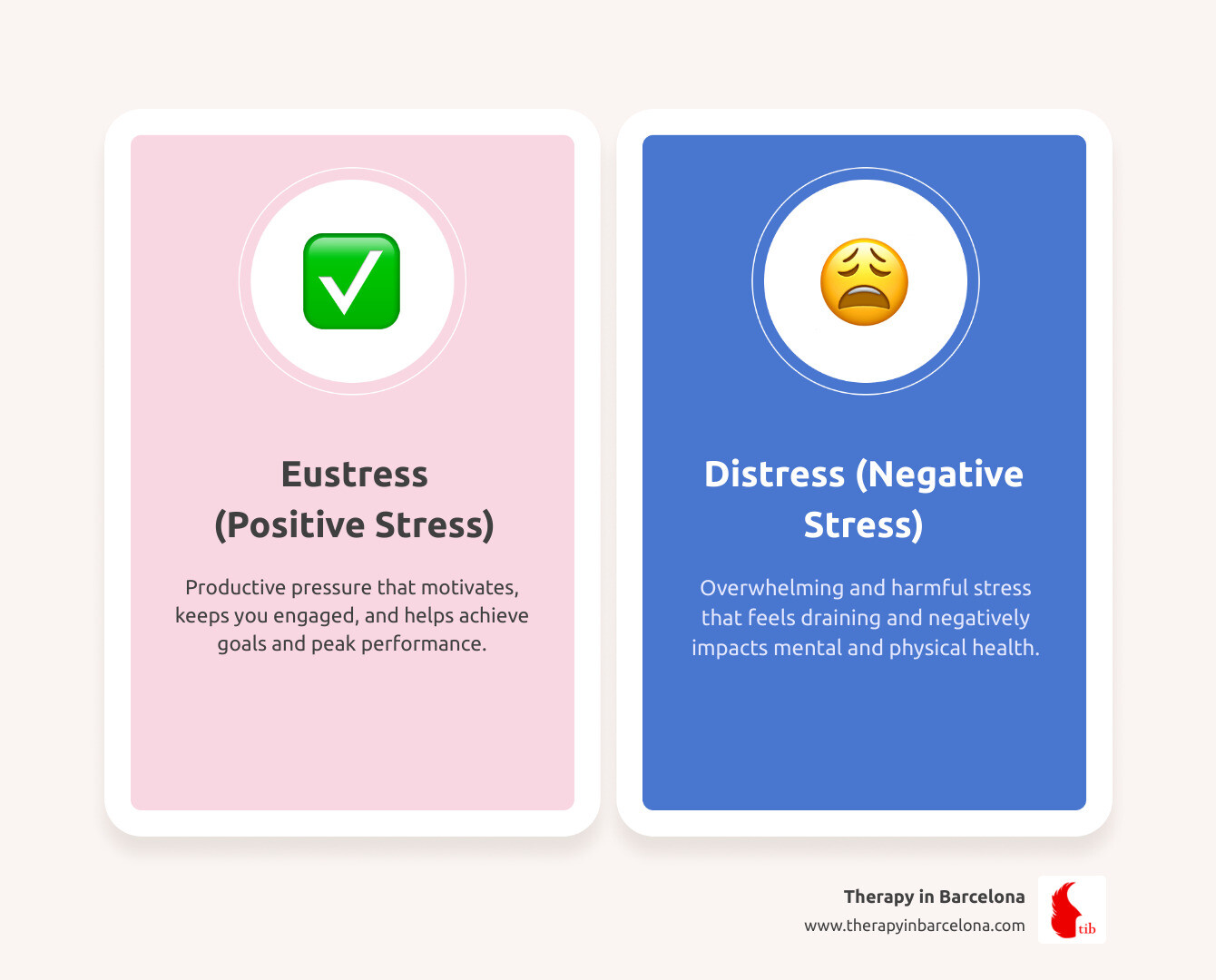
Some pressure can be a good thing. Think of it as a motivator, pushing you to perform better and achieve goals. This is often called ‘eustress’ – a positive form of stress that keeps you sharp and engaged. However, when that pressure becomes overwhelming, it transforms into ‘distress’ – the kind of stress that feels heavy, draining, and can negatively impact your mental and physical health.
For many internationals, the feeling of being constantly “on” can be particularly acute. Emily, for example, a 34-year-old professional from the UK, might have moved to Barcelona seeking trip, only to find herself battling unexpected loneliness and the immense pressure of adapting. While Emily is a fictionalised example, her story mirrors the struggles many expats face when adapting to a new country.
Understanding the difference between productive pressure and harmful stress is the first step to taking control. This guide will explore how stress manifests, how you can build resilience, and practical ways to manage pressure so it works for you, not against you.
Understanding Stress and Its Impact
Stress is more than feeling overwhelmed on a busy Tuesday; it’s a complex mind-body response to life’s demands. For expats in Barcelona, these demands often have an extra layer of complexity that locals might not fully grasp.
Think about it: you’re navigating a new culture, possibly stumbling through conversations in Spanish or Catalan, and missing your familiar support network. These unique expat challenges—like deciphering Spanish bureaucracy or feeling isolated during local holidays—can turn everyday situations into significant stress triggers.
The workplace presents its own minefield of potential stressors. Too much pressure from demanding deadlines, workplace bullying, poor relationships with colleagues, or feeling unsupported by management can quickly overwhelm anyone. When you’re already adjusting to a new country, these work-related stressors can feel particularly intense. Add in confusion about your role or feeling unable to control how you work, and it’s no wonder many expats find themselves asking how do you handle stress and pressure effectively.
Your body waves red flags when stress levels climb. Physically, you might notice your heart pounding, persistent headaches, or odd aches and pains that appear from nowhere. Perhaps your appetite disappears, your mouth feels constantly dry, or your interest in intimacy takes a nosedive.
Emotionally, the signs can be just as telling. Irritability might become your default setting, anxiety could feel like a constant companion, or you might find yourself feeling persistently down or overwhelmed. These are your mind and body’s way of saying, “Hey, we need some attention here.” Recognising these early signs is crucial—the sooner you spot them, the quicker you can intervene before they escalate.

Identifying Your Personal Stress Triggers
Stress is deeply personal. What sends one person spiralling might barely register for another. The first step to feeling better is identifying what specifically triggers your stress response. This self-reflection isn’t always straightforward, but it is worth the effort.
Self-reflection and journaling are powerful allies in this process. Try keeping a stress diary for a week or two. When you notice tension building, jot down what was happening. Was it a particular person’s email? The thought of an upcoming presentation? Or perhaps the realisation that you’d forgotten to renew your NIE again?
Sometimes stress stems from one-off events, like a looming project deadline or a visit from your in-laws. Other times, it’s ongoing situations that wear you down, such as a difficult colleague or the daily frustration of navigating Spanish healthcare.
Don’t overlook how past experiences might influence your current stress levels. Perhaps childhood experiences have left you particularly sensitive to criticism, or a previous job loss makes you hyper-vigilant about workplace security.
Your work environment often provides a rich source of triggers: an unpredictable boss, endless administrative demands, or the pressure of tight deadlines. But remember, your personal life as an expat can be equally demanding. Cultural adaptation, building new social connections, or even simple tasks like setting up utilities can all contribute to your stress load.
Understanding these triggers is like having a roadmap for your emotional landscape. Once you know what tends to set you off, you can prepare and develop strategies to respond more effectively.
The Long-Term Effects of Unmanaged Chronic Stress
While some pressure can be motivating, chronic, unmanaged stress is an entirely different beast. It’s like having your internal alarm system stuck in the “on” position, and the consequences can be serious.
When stressed, your body launches into “fight-or-flight” mode, flooding your system with hormones like adrenaline and cortisol. This response was ideal for our ancestors facing predators, but in modern life, this constant high alert is problematic. Your body isn’t designed to maintain this level of activation day after day.
Chronic stress puts you at higher risk for serious health problems, including heart disease, depression, stroke, and weight gain. Research consistently links prolonged stress to memory problems and even premature death. Your immune system also takes a hit, leaving you more vulnerable to every bug going around Barcelona.
The cognitive effects can be particularly frustrating. You might find your mind feeling foggy, your memory less reliable, or your ability to concentrate diminished. These aren’t character flaws—they’re your brain’s response to being under constant pressure.
If you find yourself consistently overwhelmed, anxious, or struggling to cope, your body is sending a clear message that something needs to change. This persistent tension shouldn’t be ignored.
For expats, who often face unique stressors, paying attention to these warning signs is particularly important. The isolation that can come with living abroad might make you more vulnerable. Understanding how do you handle stress and pressure effectively isn’t just about feeling better in the moment—it’s about protecting your long-term health. The good news? Recognising these patterns is the first step towards change.
Proactive Strategies: How Do You Handle Stress and Pressure Before It Takes Over?
A profound source of stress is feeling like life is happening to you, not with you. When caught in a whirlwind of demands, deadlines, and challenges, it’s easy to feel swept away. The good news is you have more control than you might think, especially with a proactive approach to stress management.
Taking charge starts with building emotional strength and resilience before the pressure peaks. This means developing practical skills like effective time management, learning to prioritise tasks, and setting realistic goals that don’t leave you constantly scrambling. A clear plan often lifts that overwhelming feeling of drowning in responsibilities.
But it’s not just about getting organised. Cultivating a positive mindset and learning to communicate your needs assertively can dramatically reduce stress. Think of it as building your emotional immune system: the stronger it is, the better you’ll weather life’s inevitable storms.

Mastering Your Workload and Setting Boundaries
In today’s always-connected world, learning to work smarter, not harder is essential for survival, especially for internationals in demanding roles. This starts with honest prioritisation. Not everything on your to-do list carries the same weight, and accepting this can be incredibly liberating.
The art of politely saying ‘no’ is an invaluable skill. It’s not about being uncooperative; it’s about being realistic about your capacity. When asked to take on a new task, assess your current plate. If you’re at capacity, explain your current workload and offer alternatives—perhaps you can tackle it later, or suggest someone else who might be available.
This clear communication is at the heart of Assertive Communication. When you’re transparent about what you can realistically take on, you prevent the overcommitment that leads to stress and burnout.
Employers have responsibilities too. Under the UK Health and Safety at Work Act, employers have a duty to ensure their employees’ welfare, which includes managing work-related stress. If you’re struggling, reaching out to your manager is a professional step toward finding a solution. Many employers can make reasonable adjustments, like flexible working arrangements or help restructuring your workload.
Cultivating a Resilient Mindset: How do you handle stress and pressure mentally?
Your mindset is perhaps your most powerful tool when it comes to how do you handle stress and pressure. Resilience isn’t about being tough enough to weather any storm—it’s about developing the mental flexibility to bend without breaking and bounce back when life knocks you down.
Positive self-talk plays a crucial role. We all have an internal voice, but often it can be surprisingly harsh. When negative thoughts overwhelm you, it’s time to intervene. Challenge those thoughts—are they facts or anxious assumptions? Replacing a critical inner voice with more encouraging, solution-focused thinking can shift your entire perspective.
One effective strategy is focusing on what you can control. As an expat, you’ll face situations out of your hands—bureaucratic delays or cultural misunderstandings. Instead of exhausting yourself on the unchangeable, concentrate your energy where you have influence. This shift reduces feelings of helplessness and increases your sense of agency.
Practising gratitude might sound simple, but research shows it can reduce the stress hormone cortisol by up to 23%. It’s not about pretending everything is perfect, but training your mind to notice the good. Try ending each day by writing down three things you’re grateful for:
- What is one small thing that brought you joy today?
- Who made you feel appreciated or supported?
- What is one challenge you overcame, no matter how small?
Finally, don’t underestimate the power of challenging yourself and learning new skills. Whether it’s mastering Catalan, taking up rock climbing, or developing a new professional competency, these activities build confidence and provide a sense of achievement that counteracts pressure. When you’re actively growing, you’re reminded of your own capability and resilience.
Healthy Coping Mechanisms for Immediate Relief and Long-Term Wellbeing
When stressed, it’s tempting to seek quick fixes, but turning to unhealthy coping mechanisms is counterproductive. Relying on alcohol, smoking, or excessive caffeine might provide temporary relief, but in the long run, they only create new problems and harm your health. Instead, focus on building sustainable, healthy habits that genuinely support your well-being.
One of the most important aspects of stress management is making time for ‘me time’ and hobbies. It’s crucial to carve out moments for socialising, relaxation, or exercise. Engaging in activities that bring you joy can reduce stress by almost half and lower your heart rate. Even a 10-minute break can make a difference: listen to music, read, go for a walk in nature, enjoy a hobby, take a relaxing bath, or spend quality time with a friend. These small acts of self-care are necessities, not luxuries.

The Foundation: How do you handle stress and pressure with diet, exercise, and sleep?
Diet, exercise, and sleep are the bedrock of effective stress management. A well-nourished body is better equipped to cope with pressure. Start with a good breakfast, add more organic fruits and vegetables for a balanced diet, and avoid processed foods and excessive sugar. Drinking more water and herbal teas can also help. A healthy diet can lessen the effects of stress, build up your immune system, level your mood, and lower your blood pressure.
Regular exercise is another powerful stress reliever. A daily 20-minute walk can make a difference. Any physical activity can lower stress and improve your mood. Exercise won’t make your stress disappear, but it can reduce some of the emotional intensity, clearing your thoughts so you can deal with problems more calmly. People who exercise also tend to feel less anxious and more positive—when your body feels good, your mind often follows.
Sleep is a crucial, yet often undervalued, component. If you consistently get less than seven to eight hours of sleep, your body won’t tolerate stress as well. Stress often disrupts sleep, creating a vicious cycle. Prioritise good sleep hygiene: establish a consistent schedule, create a restful bedroom, and limit screen time before bed. Aim for seven to nine hours of quality sleep to allow your mind and body to recharge. For expats, managing a new time zone can be an additional challenge, making mindful sleep practices even more vital.
Active Relaxation: Finding Your Calm in the Moment
Beyond the foundations, incorporating active relaxation techniques into your routine can provide immediate relief. These practices help activate your body’s natural relaxation response.
- Deep Breathing: This simple technique is highly effective. Slow, deep breathing sends more oxygen to your brain and calms your nervous system. By focusing on your breath, you interrupt the stress response.
- Mindfulness and Meditation: These practices involve focusing on the present moment without judgement. Whether through formal meditation or simply bringing mindful awareness to everyday activities, they can reduce emotional intensity and help you gain perspective.
- Yoga: Combining physical postures, breathing exercises, and meditation, yoga is an excellent way to reduce stress and promote well-being.
- Spending Time in Nature: A stroll through Barcelona’s parks or a hike in the nearby mountains has a calming effect on the mind and body.
- Listening to Music: Music can shift your mood and reduce stress. Create a calming or uplifting playlist for when you feel overwhelmed.
- Laughter: Never underestimate the power of a good laugh. Laughter boosts oxygen intake, helping your heart, lungs, and muscles. It also releases feel-good hormones, improves immunity, lessens pain, and lifts your mood.
Integrating these techniques into your day, even for 10-15 minutes, can significantly improve your ability to handle stress and pressure.
Building Your Resilience: The Power of Support and Professional Help
Individual strategies are powerful, but you don’t have to face stress alone. Building a strong support network is critical for managing pressure. A good support network of colleagues, friends, and family can ease your troubles and help you see things differently. Talking face-to-face with someone releases hormones that reduce stress, so lean on the good listeners in your life. Research shows that a robust support system makes stress easier to manage and builds resilience.
For expats, this support network might look a little different. It could involve connecting with other internationals who understand your unique challenges, joining expat groups in Barcelona or other cities like Madrid or Valencia, or making a conscious effort to stay in touch with loved ones back home. Peer support provides invaluable understanding and validation. Overcoming isolation, a common expat challenge, is a crucial step in strengthening your resilience.
Having people who truly understand your journey is invaluable. Whether it’s grabbing coffee with a fellow expat who gets your complaints about Spanish bureaucracy, or a video call with friends back home who remind you of who you are, these connections form the backbone of emotional resilience.

The Strength in Seeking Professional Support
Sometimes, despite our best efforts, stress can feel overwhelming. If negative thoughts start to overwhelm you, or if you feel down or anxious for several weeks and it interferes with your home or work life, it’s a clear sign that professional help could be beneficial.
Seeking support from a psychologist or other mental health professional is a wise, proactive step. It’s not about admitting defeat; it’s about recognising that how do you handle stress and pressure sometimes requires tools and perspectives that only a trained professional can provide.
Therapy offers a safe, confidential space to learn healthy coping skills, gain new perspectives, and address underlying issues. Approaches like Cognitive Behavioural Therapy (CBT), Acceptance and Commitment Therapy (ACT), or Internal Family Systems (IFS) can provide custom strategies for emotional regulation and resilience.
At Therapy in Barcelona, we specialise in supporting the international community with culturally sensitive therapy in English. While large online platforms or public health services are options, they may not grasp the nuances of the expat journey. What sets us apart is our personalised approach. We don’t just assign you the next available therapist; we focus on careful matching to find the right fit for you. Our team of psychology-trained therapists are expats themselves, offering a deep, first-hand understanding of your challenges. When you’re explaining the exhaustion of translating cultural nuances, not just language, you need someone who truly gets it. Our therapists have walked in your shoes.
Reaching out for help is a sign of strength. If you’re experiencing persistent sleep problems, panic attacks, or thoughts of self-harm, please reach out immediately. Resources like the Crisis Text Line can provide immediate support. For ongoing anxiety, our dedicated services can help you find From Panic to Peace: Anxiety Therapy Barcelona.
Learning how do you handle stress and pressure is an ongoing process, and sometimes that process is best supported by someone trained to guide you. You don’t have to figure it all out alone.
Conclusion
So, how do you handle stress and pressure? It’s a question we all ask, and thankfully, a journey you can learn to steer with confidence. Throughout this guide, we’ve explored a range of strategies that, when woven together, can transform overwhelming pressure into manageable challenges.
We’ve explored how recognizing your stress triggers, actively mastering your workload with clear boundaries, and nurturing a resilient mindset through positive self-talk and gratitude can make a world of difference. Foundational habits like a balanced diet, regular exercise, and quality sleep are your non-negotiables, while active relaxation offers immediate calm. Crucially, building a strong support network and knowing when to seek professional help are acts of true strength.
Managing stress isn’t about eliminating it; it’s about building a powerful toolkit to steer life’s demands with greater ease. It’s a skill that gets better with practice and the right guidance.
At Therapy in Barcelona, we truly get it. Life as an expat in a vibrant city like Barcelona, or anywhere across Spain, is a unique blend of highs and challenges. Our practice was founded by Australian psychologist Leigh Matthews, experienced these challenges first-hand. This personal insight, combined with our team of English-speaking, psychology-trained therapists (many of whom are also expats), means we’re uniquely positioned to offer personalised, culturally sensitive mental health care. We’re here to support you through cultural adjustment, isolation, work-life balance, and other expat-specific concerns.
You are not alone in facing these pressures. We believe that with the right tools and compassionate support, you can learn to manage stress effectively and thrive. We’re here to help you find your calm and confidence.
