


The Art of Choosing a Therapist: What You Need to Know

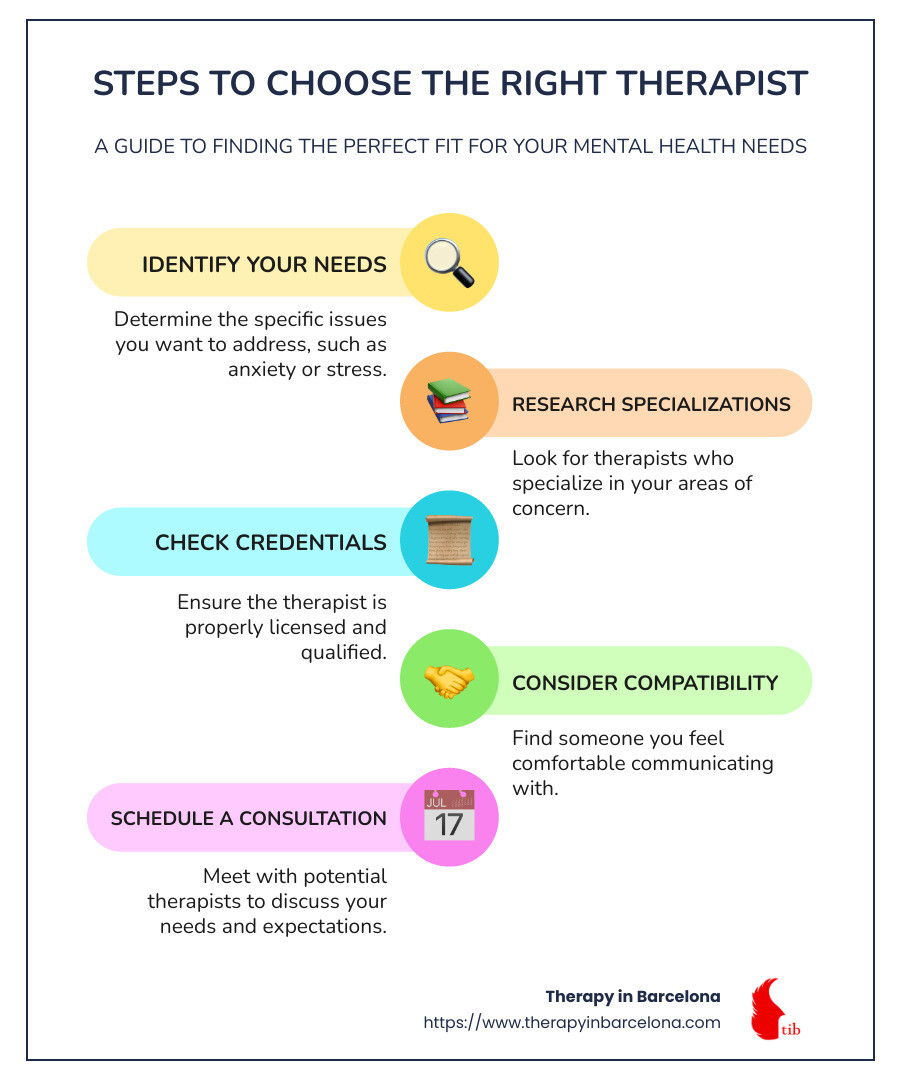
Choosing the right theripist can be a crucial step toward improving your mental health and general well-being. Whether it’s dealing with anxiety, adjusting to cultural changes, or simply needing someone to talk to, finding a supportive therapist who understands your unique challenges is essential. Here’s a quick guide to help you choose a therapist effectively:
- Identify Your Needs: Think about what you’re seeking help for, such as anxiety, stress, or relationship issues.
- Research Specialisations: Find therapists specialising in areas relevant to your situation, like marriage and family therapy or substance abuse counselling.
- Check Credentials: Ensure the therapist has the proper qualifications and experience to provide care.
- Consider Compatibility: Look for someone with whom you feel comfortable and can establish a strong therapeutic relationship.
Therapists vary in specialty and approach, so understanding what type aligns with your needs can help you make an informed choice.
I’m Leigh Matthews, and as founder of Therapy in Barcelona, I’ve spent years guiding the international community in selecting suitable therapists. My experience in managing a diverse group therapy practice in Barcelona has equipped me to understand the nuances involved in finding culturally sensitive and effective therapy solutions.
Understanding the Role of a Therapist
Therapists play a crucial role in expat mental health support. They offer support, understanding, and tools to help individuals steer life’s challenges. But what exactly does a therapist do, and how can they benefit you?
Therapist Duties
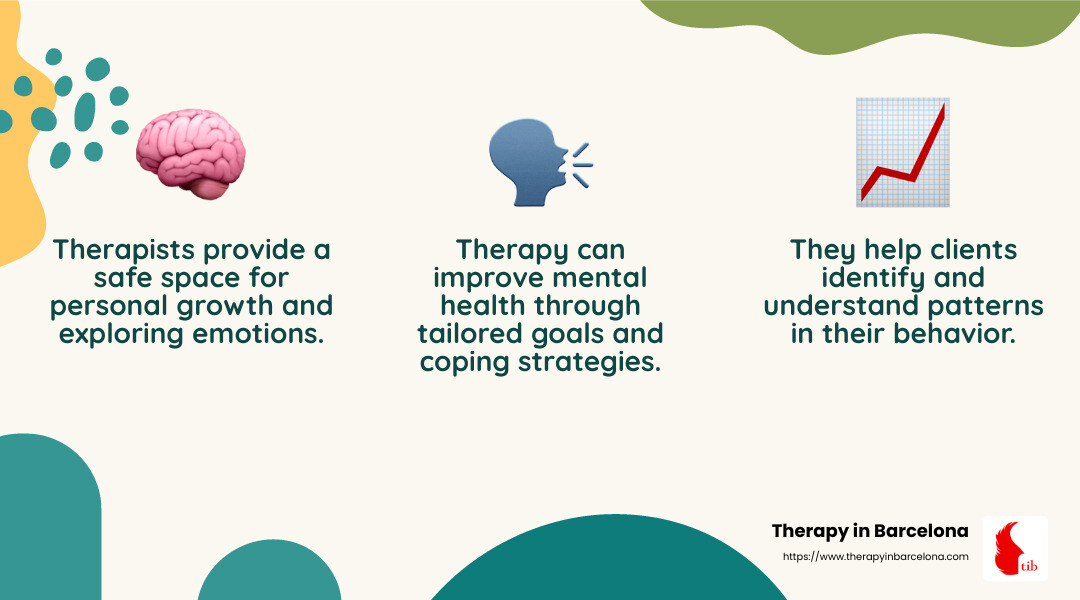
A therapist’s primary duty is to provide a safe and confidential space for clients to explore their thoughts and feelings. They listen without judgment and help clients identify patterns in their behaviour or thinking that may be contributing to their difficulties.
Therapists also assist in setting goals and developing strategies to achieve them. This can involve teaching coping skills, offering new perspectives, and encouraging personal growth.
While therapists can guide and support clients, they do not diagnose medical conditions or prescribe medication. Those tasks are typically the domain of psychiatrists and other medical professionals.
Mental Health Professionals
The term therapist encompasses a variety of mental health professionals. This includes psychologists, social workers, counsellors, and more. Each has different training and expertise, but all are dedicated to helping individuals improve their mental health.
- Psychologists often have a doctoral degree and are trained in assessing and treating mental health issues through therapy.
- Social workers focus on providing support and connecting clients with community resources.
- Counsellors may specialise in specific areas like addiction or family therapy.
Therapy Benefits
The benefits of therapy are numerous and can have a profound impact on one’s life. Here are some key advantages:
- Improved Mental Health: Therapy can help reduce symptoms of anxiety, depression, and other mental health conditions.
- Better Coping Skills: Learn practical strategies to manage stress, handle difficult emotions, and steer life’s challenges.
- Improved Relationships: Therapy can improve communication skills and help mend strained relationships.
- Increased Self-Awareness: Gain a deeper understanding of yourself, your values, and your goals.
Therapy is not just for those in crisis. It can be a valuable tool for anyone looking to lead a more balanced and fulfilling life. Whether you’re dealing with specific issues or simply seeking personal growth, a therapist can be a supportive partner in your journey.
As you consider engaging in therapy, the relationship with your therapist is a partnership. It’s important to find someone you trust and feel comfortable with, as this connection is key to the success of your therapeutic experience.
Types of Therapists and Their Specialisations
When it comes to therapy, there’s no one-size-fits-all approach. Different therapists specialise in various areas, each bringing unique skills and perspectives to the table. Here’s a look at some common types of therapists and their specialisations:
Addiction Therapists
Addiction therapists focus on helping individuals overcome substance abuse and addictive behaviours. They use techniques like cognitive-behavioural therapy (CBT) to help clients understand and change their habits. These therapists often work in rehabilitation centres, but you can also find them in private practice.
Child Therapists
Child therapists specialise in working with children and adolescents. They help young clients deal with issues like anxiety, depression, and behavioural problems. Child therapists often use play therapy, a technique that allows children to express themselves through play rather than words. This approach is particularly effective for younger children who might struggle with traditional talk therapy.
Marriage and Family Therapists
Marriage and family therapists focus on relationships within families and couples. They address issues such as communication problems, infidelity, and parenting challenges. These therapists help families develop healthier interaction patterns and resolve conflicts. According to research, therapy by couples therapy therapists can be particularly effective in addressing common topics like affairs, anger management, and communication patterns.
Occupational Therapists
Occupational therapists are unique in that they integrate physical and mental health. They help clients improve their ability to perform daily activities, especially after injury or illness. While they often work in healthcare settings, some occupational therapists specialise in mental health, supporting clients with issues like stress and anxiety.
Psychotherapists
Psychotherapists are trained to treat a wide range of mental health issues. They may come from diverse backgrounds, such as psychology or social work. Psychotherapists use various approaches, including psychodynamic therapy and CBT, to help clients understand their thoughts and emotions. This type of therapy is versatile and can be custom to meet individual needs.
Choosing the right type of therapist depends on your specific needs and goals. Whether you’re dealing with addiction, family issues, or personal challenges, there’s a therapist out there who can help guide you on your path to mental wellness.
In the next section, we’ll explore how to identify your specific needs and find a therapist who aligns with them.
How to Identify Your Need for a Theripist
Recognising when you might need help is the first step towards improving your mental health. Here are some common reasons people seek the support of a therapist:
Anxiety
Feeling anxious from time to time is normal, but persistent anxiety can affect your daily life. If you find yourself constantly worrying or feeling overwhelmed, it might be time to consider therapy. Therapists can help you develop coping strategies to manage anxiety and regain control over your thoughts and emotions.
Depression
Depression is more than just feeling sad. It can lead to feelings of hopelessness, fatigue, and a lack of interest in activities you once enjoyed. If these feelings persist, talking to a therapist can provide valuable support and guidance. Therapy can help you understand the underlying causes of your depression and work towards a healthier mindset.
Life Changes
Major life changes, such as moving to a new city, changing jobs, or experiencing a loss, can be challenging to steer. These transitions can bring about stress and uncertainty. A therapist can offer support and help you develop resilience as you adjust to new circumstances.
Stress
Everyone experiences stress, but when it becomes overwhelming, it can impact your physical and mental health. If stress is affecting your ability to function or enjoy life, a therapist can help you identify stressors and develop effective stress management techniques.
Relationship Issues
Relationships can be a source of joy, but they can also be challenging. Whether you’re facing communication problems, conflicts, or other issues, couples therapy can help. A therapist can work with you individually or with your partner to improve communication and resolve conflicts.

Identifying these signs in your life is crucial. Seeking help is not a sign of weakness but a proactive step towards maintaining your mental health. In the next section, we’ll discuss the steps to finding the right therapist for your needs.
Steps to Finding the Right Theripist
Finding the right therapist is like finding the right shoe. It needs to fit well for it to work. Here are some steps to help you find the perfect match:
Personal Connection
The relationship you have with your therapist is key. You should feel comfortable and understood. Trust your gut. If you don’t feel a connection after a few sessions, it’s okay to try someone else. It’s important that you feel safe and supported.
Therapist Qualifications
Check if the therapist has the right qualifications, training and experience. Different therapists have different specialisations. Make sure their expertise aligns with your needs.
Treatment Goals
Before you start therapy, think about what you want to achieve. Do you need help with anxiety, depression, or relationship issues? Talk about your goals with your therapist. They can help you create a plan to reach them. Therapy is a journey, and having clear goals can guide the process.
Insurance Coverage
Therapy can be costly, so check with your insurance provider. Ask if therapy is covered and if there are any therapists in your network. This can save you money and make therapy more accessible. The downside is the therapists covered by insurance in Spain are frequently Spanish speaking therapists which means the language barrier may be a significant issue in the therapeutic relationship. Therapy in Barcelona’s multilingual psychotherapy service overcomes this issue with fluent English speaking therapists and multilingual therapists, including French speaking therapists, German speaking therapists, and more. We are all expats too, so we understand the challenges of living abroad.
Therapy in Barcelona is a private therapy service which also ensures full confidentiality. This means you must first pay in full for your session then submit your invoice to your insurance company.Your therapist can provide you with invoices if you would like to seek reimbursement from your insurer for your sessions. We do not guarantee reimbursement.
We recommend you talk to your insurer about your level of coverage and the possibility of reimbursement before making an appointment.
It is important to note that all therapists are psychology-trained but offer their services as therapists here in Spain so they are unable to provide you with a collegiate number.
As we do not offer a medical service, we are required to charge VAT for our sessions. You may be able to claim these sessions as a service you have been provided when you submit your tax return if you are working freelance here in Barcelona.
Online Therapy Directories
Online directories can be a great tool. They let you search for therapists by location, specialisation, and more. Websites like the American Psychological Association and the Association for Behavioural and Cognitive Therapies offer resources to find qualified therapists near you. You can filter by what you need, such as cognitive behavioural therapy (CBT) or finding someone who understands BIPOC or LGBTQIA+ issues.
Finding the right therapist takes time and effort, but it’s worth it. The right support can make a big difference in your mental health journey. In the next section, we’ll answer some frequently asked questions about therapists to help clear up any lingering doubts.
Frequently Asked Questions about Therapists
What does a therapist do exactly?
A therapist is like a guide for your emotions and thoughts. They help you understand your feelings and develop skills to manage them. Whether you’re dealing with anxiety, stress, or any other emotional challenges, a therapist provides support and teaches coping skills. They don’t just listen; they offer strategies to help you steer life’s ups and downs. Think of them as a partner in your mental health journey, helping you gain insight and make positive changes.
How can I tell if I need a therapist?
Feeling overwhelmed, anxious, or having trouble regulating your emotions might be signs you could benefit from seeing a therapist. If you notice that your anxiety is affecting your daily life or relationships, it might be time to seek help. Therapy isn’t only for crises; it’s also for gaining a better understanding of yourself and improving your overall well-being. If you’re unsure, consider this: if your emotional struggles are persistent and interfere with your happiness, talking to a therapist could be a good step.
Conclusion
At Therapy in Barcelona, we believe in the power of personalised therapist matching. Our approach is designed to connect you with a therapist who truly understands your needs and preferences. We know that finding the right therapist is crucial to achieving positive therapeutic outcomes, and that’s why we focus on matching you with someone who aligns with your goals and concerns.
Our team is not only skilled but also diverse. We offer multilingual therapy services, ensuring that you can communicate in a language that feels most comfortable for you. Whether you prefer English, Spanish, Dutch, or any other language, we have therapists ready to support you.
Living as an expat can present unique challenges, and we are here to offer culturally sensitive support. Our therapists are experienced in working with internationals and understand the complexities of adapting to a new culture. Since 2011, we have been helping people in Barcelona steer their mental health journeys with care and empathy.
If you’re ready to take the next step in your mental health journey, we invite you to explore our services. At Therapy in Barcelona, we’re committed to helping you find the right fit so that you can achieve the happiness and well-being you deserve.
