


Counseling couples therapy offers a lifeline to many facing relationship challenges. It is a process that digs into:
- Navigating relationship problems
- Fostering open, effective communication
- Building and enhancing conflict resolution skills
Imagine Emily, a 34-year-old professional from the UK who recently moved to Barcelona. Despite her excitement about living abroad, Emily finds herself struggling with unexpected relationship difficulties. She feels a growing disconnect with her partner, Tom, as they both steer the cultural transitions and stressors of expat life. This scenario, while fictional, reflects the real-life struggles many face when adapting to a new environment. Counseling couples therapy can be the bridge that guides such individuals toward relational healing and connection.
In couples therapy, the relationship takes center stage. Through guided support, couples can explore issues with honesty, understanding, and without judgment. This approach equips partners with the tools they need to rebuild their connection and thrive together.
Understanding Couples Therapy
The Role of a Therapist
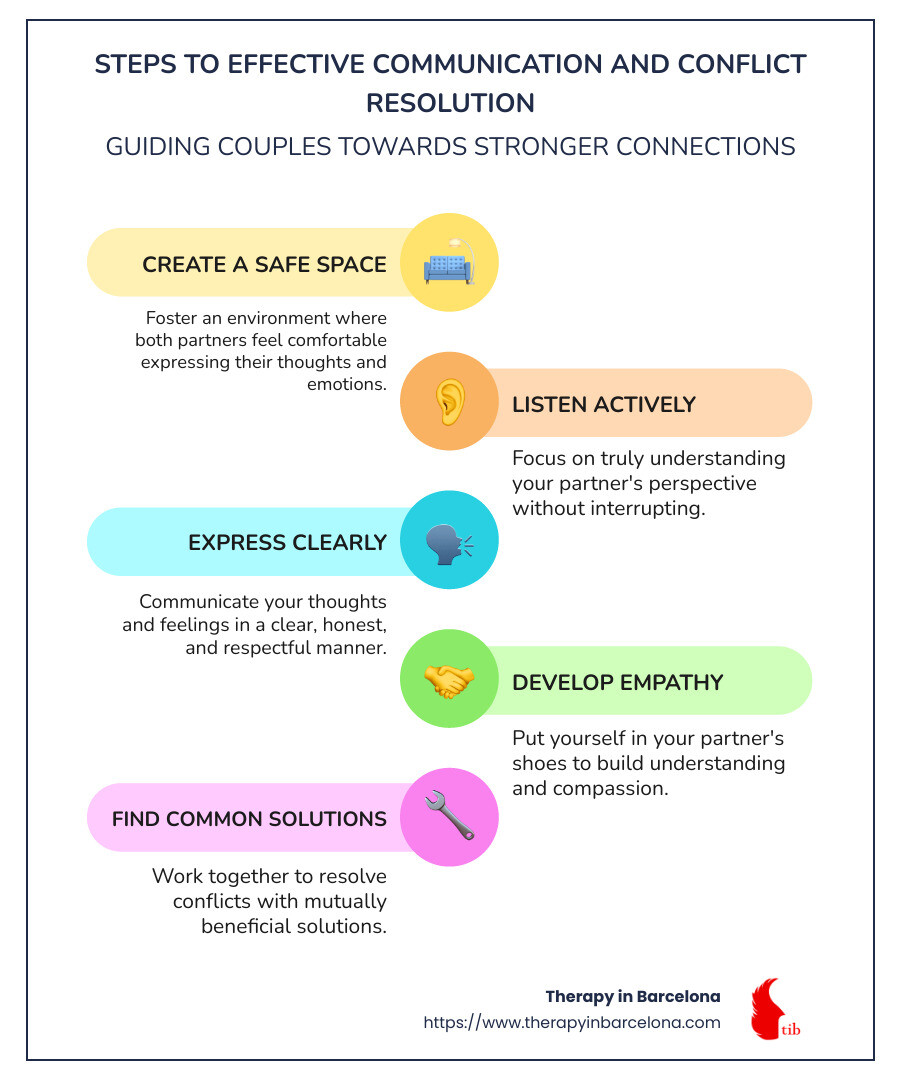
In counseling couples therapy, the therapist plays a crucial role in guiding partners toward better understanding and harmony. At the heart of this process are three key elements: communication skills, creating a safe space, and fostering empathy.
Communication Skills
Effective communication is often the first step toward resolving conflicts. A skilled therapist helps couples develop these skills by teaching them how to express their needs and listen actively. This involves using “I” statements instead of blaming language, which can transform heated arguments into productive discussions.
Safe Space
A therapist provides a neutral, safe environment where both partners can share their thoughts and feelings without fear of judgment. This safe space allows couples to explore sensitive topics, like intimacy or financial concerns, which they might otherwise avoid.
Empathy
Empathy is about understanding your partner’s perspective. In therapy, couples learn to see things from each other’s point of view, which can soften disagreements and build stronger connections. This empathetic approach fosters compassion and reduces misunderstandings.
Neutrality
A therapist remains neutral, focusing on the relationship rather than taking sides. This neutrality helps couples feel supported, ensuring that both voices are heard equally. It allows the therapist to guide the couple toward resolving their issues collaboratively.
Conflict Resolution
Conflict is a natural part of any relationship. However, how couples handle it can make or break their bond. Therapists equip couples with conflict resolution strategies that focus on understanding and compromise, helping them steer disagreements constructively.
Emotional Support
Finally, emotional support is a cornerstone of couples therapy. The therapist provides a reassuring presence, helping partners manage the stress and emotions that often accompany relationship challenges. This support can empower couples to face their issues with confidence and resilience.
In summary, a therapist’s role in counseling couples therapy is multifaceted, aiming to strengthen the relationship by enhancing communication, creating a safe and neutral environment, and providing emotional support. By focusing on these elements, therapy can transform a struggling relationship into a thriving partnership.
Benefits of Counseling Couples Therapy
Common Goals in Therapy
When couples step into counseling couples therapy, they often come with a set of shared goals. These goals focus on improving their relationship and building a stronger connection with each other. Let’s explore some of the most common objectives couples aim to achieve through therapy.
Communication Improvement
Effective communication is the backbone of any healthy relationship. Many couples find themselves stuck in patterns of miscommunication or feeling unheard. Therapy offers tools and techniques to improve how partners talk and listen to each other. By learning to express feelings clearly and listen with empathy, couples can bridge gaps and foster a more open dialogue.
Conflict Resolution
Every couple faces conflict. The key is not to avoid disagreements but to handle them constructively. In therapy, couples learn strategies to resolve conflicts without letting them escalate into bigger issues. This includes understanding each other’s perspectives, finding common ground, and compromising. These skills help partners address problems before they turn into major roadblocks.
Relationship Strengthening
Even strong relationships can benefit from a little fine-tuning. Therapy provides a space for couples to identify and build on their strengths, ensuring that small issues don’t grow into larger ones. By working together, partners can reinforce their bond and create a resilient partnership that can withstand future challenges.
Affection and Respect
Affection and respect are essential components of a loving relationship. In therapy, couples work on restoring or enhancing these elements by acknowledging each other’s efforts and contributions. This often involves simple acts of kindness, gratitude, and appreciation that can make a significant difference in how partners feel about each other.
Intimacy and Trust
Intimacy goes beyond physical closeness; it’s about emotional connection too. Therapy helps couples explore and express their needs and desires, fostering a deeper level of intimacy. Trust, on the other hand, is built through transparency and consistency. Couples learn how to rebuild trust if it’s been damaged and how to maintain it moving forward.

By focusing on these common goals, counseling couples therapy can transform relationships. Whether it’s improving communication, resolving conflicts, or strengthening the emotional bond, therapy offers a roadmap to a healthier, more fulfilling partnership.
Types of Couples Therapy
Choosing the right type of therapy can make all the difference for couples seeking to strengthen their relationship. Let’s explore some popular approaches and how they can help.
Emotionally Focused Therapy (EFT)
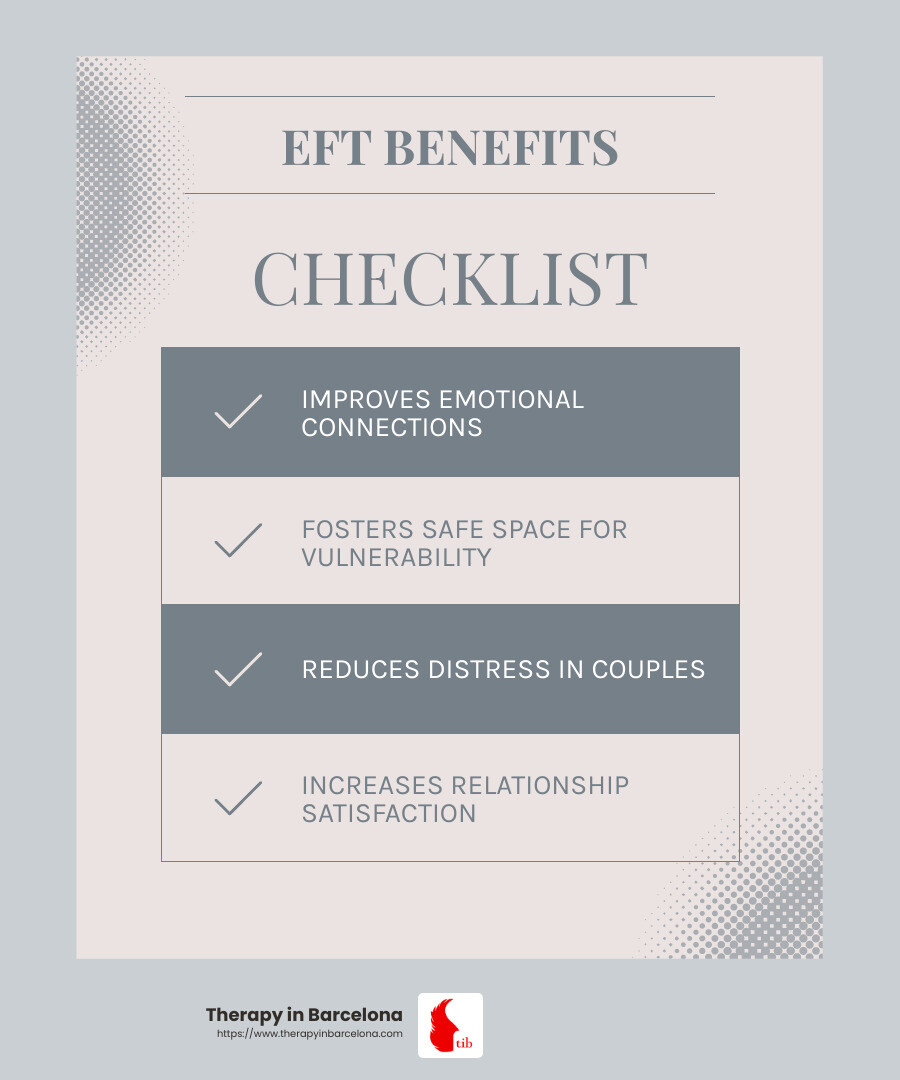
Emotionally Focused Therapy (EFT) is a well-researched and effective method for couples. It focuses on changing emotional responses to improve attachment and bonding between partners. In just eight to twelve sessions, many couples report reduced distress and increased satisfaction in their relationship, with benefits lasting even two years after treatment. EFT helps partners understand and express their emotions, creating a safe space for vulnerability and connection.
Gottman Method
The Gottman Method is another popular choice for couples. Developed by Drs. John and Julie Gottman, this approach uses scientific research to guide therapy. It focuses on solving problems and building intimacy by strengthening the friendship between partners. The method includes exercises to improve communication, manage conflict, and increase emotional connection. Couples learn how to turn toward each other during difficult times, creating a solid foundation for their relationship.
Imago Relationship Therapy
Imago Relationship Therapy helps couples explore the impact of childhood experiences on their current relationship. This approach encourages partners to understand each other’s emotional triggers and develop empathy. By examining past influences, couples can create a new, healthier dynamic. Imago therapy often involves structured dialogues that promote active listening and validation, allowing partners to connect on a deeper level.
Choosing the Right Therapy
Selecting the best therapy for your relationship depends on your unique needs and goals. A personalized approach is crucial. Consider what you hope to achieve and discuss these objectives with a therapist.
Therapist matching is also essential. Finding a therapist who understands your situation and makes you feel comfortable can improve the therapy experience. At Therapy in Barcelona, our team is dedicated to helping international couples find the right fit, ensuring a supportive and effective journey towards healing and growth.
Understanding different types of counseling couples therapy can guide you in choosing the right path for your relationship. Whether it’s EFT, the Gottman Method, or Imago Therapy, each offers valuable tools to build a stronger, more fulfilling partnership.
Frequently Asked Questions about Counseling Couples Therapy
What kind of therapy is best for couples?
When it comes to counseling couples therapy, one size does not fit all. However, Emotionally Focused Therapy (EFT) stands out as a top choice for many couples. EFT is backed by strong research and focuses on improving emotional connections. It helps couples understand and express their emotions, fostering a safe space for vulnerability and connection. Studies show that couples who engage in EFT often experience reduced distress and increased satisfaction, with benefits lasting for years.
What is the difference between couples therapy and counseling?
Though often used interchangeably, couples therapy and counseling can have different focuses. Couples therapy typically addresses specific relationship issues, like communication breakdowns or trust breaches. It aims to resolve these concerns by exploring underlying dynamics and patterns between partners. On the other hand, counseling might cover broader topics, including personal growth and individual challenges that impact the relationship. Both approaches aim to improve the partnership but may differ in scope and techniques.
What percentage of couples stay together after therapy?
The success of counseling couples therapy can vary, but research suggests positive outcomes. According to the American Association of Marriage and Family, over 97% of couples report receiving the help they needed. While not all couples stay together, many find that therapy strengthens their relationship, improves communication, and resolves conflicts. The key to success often lies in seeking help early, being motivated to work through issues, and finding the right therapist match.
Conclusion
Navigating life as an expat can be both thrilling and challenging. The unique problems of adapting to a new culture, language, and lifestyle can put significant strain on relationships. Fortunately, Therapy in Barcelona is here to offer a helping hand with counseling couples therapy, providing personalised support tailored to the needs of the international community.
Therapy in Barcelona is dedicated to helping expats overcome these challenges by offering culturally sensitive mental health services. With a team of multilingual, psychology-trained therapists who have experience living abroad, they understand the intricacies of expat life. This understanding allows them to offer a safe and supportive space for couples to explore their relationship dynamics.
The practice focuses on matching each couple with the therapist best suited to their unique concerns. This personalised approach ensures that therapy is not just a one-size-fits-all solution but a custom journey towards healing and growth. Whether you’re dealing with communication issues, cultural adjustments, or simply want to strengthen your bond, Therapy in Barcelona can guide you through the process.
In a city as vibrant and diverse as Barcelona, having a support system that truly understands your experience is invaluable. Therapy in Barcelona provides this sanctuary, helping you and your partner steer the complexities of expat life while fostering personal and relational well-being.
If you’re ready to take the next step in improving your relationship, find how Therapy in Barcelona can support you.
