


The Foundation of Resilience: Supporting Your Child Emotionally

Emotional support for children is the practice of validating feelings, providing a safe space for expression, and helping children develop healthy ways to manage their emotions. It’s the foundation upon which mental health and resilience are built.
For quick reference, here are the key elements of effective emotional support:
| Element | What It Involves |
|---|---|
| Validation | Acknowledging feelings without judgment |
| Active Listening | Giving full attention when children speak |
| Consistent Presence | Being available and responsive |
| Emotion Coaching | Helping name and steer feelings |
| Calm Modeling | Managing your own emotions effectively |
| Physical Comfort | Offering hugs and physical reassurance |
As parents, especially those raising children abroad, we face unique challenges. The stresses of navigating new cultures, languages, and school systems can amplify our children’s emotional needs. Whether you’re new to Barcelona or have been here for years, supporting your child’s emotional health is perhaps the most important aspect of parenting.
“Children, teens and their families are facing a lot of stress and other challenges to mental wellness,” notes the American Academy of Pediatrics. “The good news is that parents and caregivers have powerful tools that can help kids build resilience and thrive no matter what life throws their way.”
For international families, these tools become even more crucial as children steer the complex emotions that come with cultural transitions, language barriers, and identity formation in a new country.

Emotional support for children: why it matters
Emotional support for children isn’t just a parenting luxury—it’s absolutely essential for healthy development. Did you know that research shows 50% of mental health problems are established by age 14, and 75% by age 24? These statistics highlight just how crucial those early years of emotional nurturing really are.
When children receive consistent emotional support, they develop something incredibly valuable: resilience. This ability to bounce back from challenges acts as a protective shield against future mental health difficulties.
“Good friends and encouraging words from adults are important for helping children develop self-confidence, high self-esteem, and a healthy emotional outlook on life,” notes the Mental Health Foundation.
For expat families here in Barcelona, this support becomes even more vital. Our children are navigating between cultures and need extra emotional scaffolding to process the complex feelings that arise from cultural transitions, language barriers, and forming new friendships in an unfamiliar environment.
What does “emotional support for children” look like day-to-day?
In everyday life, emotional support shows up in three key ways:
Validation means acknowledging your child’s emotions as real and legitimate, even when they seem disproportionate. Instead of dismissing feelings with “Don’t cry over spilled milk,” try “I see you’re upset about your drink spilling. That’s frustrating.”
Unconditional love means separating your acceptance of your child from their behavior. “I love you even when I don’t like what you’re doing” communicates that your affection isn’t performance-based.
Attuned responses means recognizing what your child needs in the moment—sometimes it’s a hug, sometimes it’s space, sometimes it’s help solving a problem. As Leigh Matthews, Australian Psychologist and founder of Therapy in Barcelona explains, “Being attuned means responding to what your child is actually feeling, not what you think they should be feeling.”
One parent from our international community shared: “When my son was struggling to make friends at his new school in Barcelona, I noticed he would come home and slam doors. Rather than punishing the behavior, I started asking about his day and validating how hard it is to connect when you don’t speak the language fluently. This opened up conversations we never would have had otherwise.”
How “emotional support for children” boosts brain development
The science behind emotional support is fascinating! Children’s brains are highly plastic—they’re constantly forming new neural connections based on experiences. Supportive, nurturing interactions actually shape brain architecture in positive ways:
Stress buffering: When you respond sensitively to your child’s distress, you help regulate their stress response system. This prevents harmful levels of stress hormones from interfering with brain development.
Neuroplasticity: Positive emotional interactions stimulate neural growth in areas of the brain responsible for emotional regulation, empathy, and social skills.
Learning readiness: Children who feel emotionally secure are better able to explore, take risks, and engage in learning. Their brains aren’t preoccupied with emotional survival, freeing up cognitive resources for development and education.
As Dr. Bruce Perry, child psychiatrist and neuroscientist explains, “The developing brain is shaped by experience. The more a neural system is activated, the more it will build internal strength and connections to other systems.”
For expatriate children, whose brains are simultaneously processing new languages, cultural norms, and social dynamics, emotional support serves as a stable foundation during tremendous change. It’s like giving them a secure home base from which they can safely explore their new world.
Core emotional needs at every stage
As our children grow, their emotional needs evolve – yet certain fundamental requirements remain constant throughout development. Understanding these age-specific needs helps us provide the right kind of emotional support for children at exactly the right time.

Babies & toddlers
For our littlest ones (0-3 years), emotional support centers around building trust and security in the world. These early connections quite literally shape their developing brains.
Physical touch plays a crucial role at this stage. When you rock, cuddle, or have skin-to-skin contact with your baby, you’re not just being affectionate – you’re releasing oxytocin (the “bonding hormone”) that helps your baby feel secure and loved.
Responsiveness to their cries and needs builds that essential foundation of trust. When you consistently meet your baby’s needs, you’re teaching them that the world is a safe place where they’ll be cared for.
As one expatriate mother in our Barcelona community shared: “When my 18-month-old was overwhelmed by the noise at Las Ramblas, I held her close and spoke softly. I could literally feel her body relax as I remained calm.” This beautiful example demonstrates co-regulation – how babies depend on us to help manage their emotions since they cannot yet do it themselves.
For toddlers specifically, emotional support expands to include:
Understanding that tantrums come from their inability to regulate strong emotions and their desire to be understood. Showing empathy while maintaining boundaries helps them feel supported without reinforcing the behavior.
Offering simple choices like “Would you like the red cup or the blue cup?” gives toddlers that crucial sense of autonomy within safe limits.
Narrating their experiences with phrases like “You’re feeling frustrated because the block tower fell down” helps build their emotional vocabulary for future expression.
Young children
For children aged 4-11, emotional support shifts toward building competence and a sense of belonging in wider social circles.
Predictable routines become increasingly important as they venture into school and more complex social environments. Regular mealtimes, consistent bedtimes, and clear expectations provide security when so much else is changing. One international family in Barcelona told us, “Having a visual schedule with pictures helped our 6-year-old adjust to her new school routine when we moved here. It was something stable she could count on.”
Naming feelings beyond the basic “happy,” “sad,” and “mad” helps children identify and express their internal experiences. Try introducing more nuanced terms like “disappointed,” “nervous,” or “proud” to help them develop emotional literacy.
School-age children thrive when we balance independence with support. As Leigh Matthews, founder of Therapy in Barcelona, often observes, “It’s like being a safety net—you’re there if they fall, but you’re not carrying them across the tightrope.” This approach builds confidence while maintaining security.
Tweens & teens
For older children and adolescents (12-18), emotional support must respect their growing independence while maintaining connection – a delicate balance indeed!
Privacy becomes essential as teens develop their own identities. Respecting their personal space and private thoughts while remaining available shows that you trust them to grow while still providing support when needed.
Negotiation around rules and boundaries acknowledges their developing decision-making skills. When we involve teens in setting expectations, we honor their growing maturity while still providing guidance.
Supporting healthy peer bonds is crucial during these years, while remaining their safe harbor. As one expatriate father shared, “When my son started at the international school, we made our home available for gatherings so we could get to know his new friends while giving them space to connect.”
For expatriate teens, identity support takes on special significance. Third Culture Kids (TCKs) often feel caught between cultures – not fully belonging to their passport country or their host country. Listening without judgment to their explorations of identity helps them integrate these experiences into a cohesive sense of self.
“Teenagers’ brains are still developing, particularly the prefrontal cortex responsible for judgment and impulse control,” explains Leigh Matthews. “They need emotional support that acknowledges their growing independence while providing guidance for the still-developing parts of their brains.”
This understanding is especially important for international families in Barcelona, where teens steer not just typical adolescent challenges but also cross-cultural identity formation and multilingual environments.
Everyday strategies to provide emotional support at home
Bringing emotional support into daily family life doesn’t require special training—just consistency and a heartfelt approach. As expatriate parents in Barcelona, we can create a nurturing environment through simple, intentional practices that make a world of difference to our children.
Building a supportive communication habit
The foundation of emotional support for children begins with truly hearing them. Active listening means putting down your phone, making eye contact, and being fully present when your child wants to talk. Try reflecting back what you hear: “So you felt left out when they spoke in Spanish…” and asking open questions that invite deeper sharing: “What was that like for you?” rather than “Did that make you sad?”
Creating regular moments for connection can transform your relationship. Try daily check-ins that become cherished rituals:
“Our dinner conversations have become a highlight of our day,” shares a British father living in Barcelona. “We each share something that made us smile and something challenging. My 8-year-old now reminds us if we forget!”
Bedtime offers another natural opportunity for heart-to-heart talks. Many expatriate parents find that car-ride chats yield surprising revelations too.
“Something about not having to make eye contact makes my 12-year-old more willing to open up about school social dynamics,” explains one mother. “Our drives through Barcelona have become our most meaningful connection time.”
Creating a “feeling words jar” with emotion terms written on slips of paper can also spark meaningful conversations. Take turns drawing one and sharing a time you felt that way—a fantastic way to build emotional vocabulary while connecting.
Creating a safe, nurturing environment
Shared meals provide more than nutrition—they’re emotional anchors in the sometimes-choppy waters of expatriate life. Even if your schedule only allows for a few family meals each week, make them count with positive conversation and simple rituals like “rose and thorn” (sharing one good and one challenging thing from the day).

Bedtime rituals signal to children’s brains that it’s safe to relax, particularly important for expatriate children processing new experiences. A consistent routine with a few minutes for quiet conversation can become a sanctuary. For younger children, a “worry doll” or special stuffed animal to “hold” concerns overnight can be tremendously comforting.
The physical spaces in your home can also support emotional expression. Consider creating a cozy corner with pillows and calming items where children can retreat when feelings become overwhelming. For younger children, a “calm down box” with sensory tools like stress balls or fidgets provides concrete support, while respecting teens’ rooms as their domain acknowledges their growing independence.
Practical routines & playful connection
Nothing builds emotional security like one-on-one attention. One-on-one play for just 10-15 minutes several times weekly makes children feel valued and seen. The key is letting your child direct the activity completely while you narrate what you observe without judgment: “You’re building the tower very carefully.”
“I call it ‘Carlos Time’ and my son looks forward to these 15 minutes where he has my complete attention,” shares a father in Barcelona. “It’s transformed our relationship, especially as he adjusts to his new international school.”
Chore charts with age-appropriate responsibilities build confidence and belonging—crucial for expatriate children who may feel unmoored. Even young children can help sort laundry or set the table. The secret is praising effort rather than results: “You worked hard putting away all those toys!” and connecting chores to family values: “When we all help, we have more time to explore Barcelona together!”
For expatriate families seeking deeper community connections, volunteer projects foster empathy while creating meaningful local bonds. Choose age-appropriate activities like beach clean-ups or food bank sorting, then discuss the feelings that arise: “How did it feel to help others today?”
For families looking for additional resources, these Daniel Tiger videos teach emotional skills in child-friendly ways:
- “Sometimes You Feel Two Feelings at Once”
- “It’s OK to Feel Sad Sometimes”
- “When You Feel So Mad That You Want to Roar”
- “Taking a Step Back and Asking for Help”
- “Find Your Calm Place”
These everyday practices create a foundation of emotional support for children that helps them steer not just the typical challenges of growing up, but also the unique complexities of expatriate life. For more insights about nurturing healthy parent-child relationships, visit our More info about Parent-Child Relationship page.
Teaching resilience & self-regulation skills
Resilience—the ability to bounce back from challenges—is perhaps the greatest gift we can give our children. It’s built gradually through supportive relationships and practical skills.
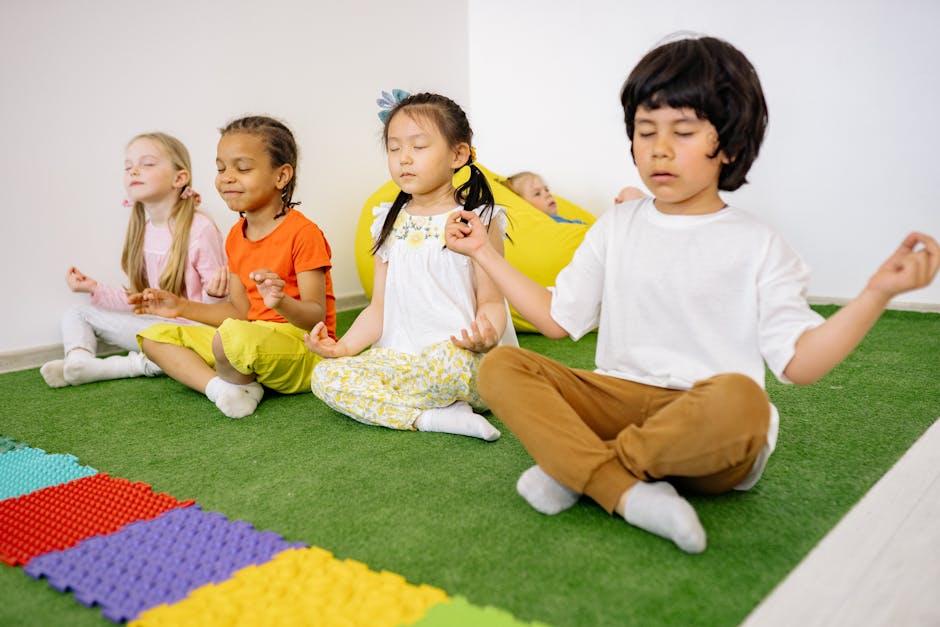
Modelling calm under pressure
Children learn emotional regulation primarily by watching us. As expat parents, we face unique stressors—from language barriers to cultural misunderstandings—making our emotional modelling even more important.
When you narrate your own emotional process aloud, you’re giving your child invaluable tools:
“I was feeling so frustrated with the Spanish bureaucracy today,” shared one American father in Barcelona. “I started telling my son how I was taking deep breaths to stay calm. Two days later, I heard him using the same technique when his Lego tower collapsed!”
Try these approaches to model healthy regulation:
Self-talk aloud: “I’m feeling frustrated with this traffic. I’m going to take some deep breaths to calm down.”
Problem-solving narration: “I made a mistake on this form. That’s okay—everyone makes mistakes. Let me think about how to fix it.”
Repair after emotional moments: “I’m sorry I raised my voice earlier. I was feeling overwhelmed, but I should have taken a break instead.”
This modelling is especially powerful for expatriate children who are already managing big emotions about cultural transitions.
Coaching children through big feelings
When children feel overwhelmed—whether by homesickness, playground conflicts, or academic pressure—these techniques help them develop emotional regulation:
Box breathing is wonderfully concrete for children. Have them trace a square with their finger while breathing in for 4 counts, holding for 4, exhaling for 4, and holding for 4. Make it playful by drawing a square they can trace.
Progressive muscle relaxation works beautifully at bedtime. Guide your child to tense and release each muscle group from toes to head, saying goodbye to the day’s stress.
Emotion scale conversations help children gain perspective: “On a scale of 1-10, how upset are you feeling? What would help move that number down?” One British mother noted, “This has been transformative for my daughter who tends to catastrophize. She’s learned that most problems aren’t really a 10!”
Coping statements give children language for resilience. Teach phrases like “This is hard but I can handle it” or “This feeling will pass.”
“The goal isn’t to eliminate difficult emotions,” explains Leigh Matthews, Australian Psychologist and founder of Therapy in Barcelona, “but to help children ride the waves without being overwhelmed by them.”
Strengthening social connections
Strong relationships buffer against stress and build resilience—something particularly important for expatriate children who may have left behind established friendships.
Friendship skills don’t always come naturally, especially across cultural or language differences. Role-play social scenarios, discuss friendship qualities, and create opportunities for peer interaction. One creative approach from an expatriate family: “We started a monthly international cooking club where kids take turns teaching others to make dishes from their home countries—it builds confidence and connection.”
Community clubs provide structured social opportunities where language barriers may be less intimidating. Sports teams, art classes, or language groups can help children build friendships through shared activities rather than conversation alone.
Empathy practice strengthens social bonds. Discuss characters’ feelings in books or shows, volunteer together, or play perspective-taking games. For Third Culture Kids (TCKs), developing empathy for different cultural viewpoints is an especially valuable skill.
For expatriate children, maintaining connections across cultures is particularly important:
“We schedule regular video calls with grandparents and cousins back home,” shares one international family. “We also celebrate both Spanish and our home country’s holidays to help our children feel connected to both cultures.”
These social connections not only support emotional well-being but also help children develop the flexible thinking and cultural intelligence that will serve them throughout life.
Warning signs & when to seek professional help
While emotional ups and downs are a normal part of childhood, certain patterns may signal that your child needs additional support. As parents, especially in an international setting, recognizing these warning signs early can make all the difference.
Red flags that need urgent attention
Trust your parental instincts if something feels wrong. You know your child best, and you’re often the first to notice subtle changes in their behavior.
Suicidal thoughts or statements require immediate action. Any talk about wanting to die, disappear, or harm themselves should never be dismissed as “just seeking attention.” These expressions are serious calls for help that require prompt professional intervention.
Severe withdrawal is another critical warning sign. When your child begins avoiding all social contact or refuses to attend school for extended periods, it often signals significant emotional distress, particularly in expatriate children who may already feel isolated by language or cultural differences.
Aggressive behavior that seems out of character or persists—such as frequent physical fights or destruction of property—often indicates your child is struggling with emotions they cannot manage alone.
Significant personality changes, including dramatic shifts in sleep patterns, eating habits, or overall demeanor, warrant professional attention, especially when they last more than a few weeks.
“Parents are often the first to notice subtle changes in their child’s behavior,” notes Leigh Matthews. “Trust your instincts if something seems off.”
If you observe any of these urgent warning signs, don’t wait—contact emergency services (112 in Spain) or visit the nearest emergency room. For suicide concerns, you can also call the Hope Helpline at 717 003 717.
Finding the right support
For less urgent concerns, several paths can lead to appropriate help:
Your child’s pediatrician is often an excellent first step. They can rule out physical causes for behavioral changes and provide referrals to mental health specialists if needed.
The school counselor can offer valuable support within the educational environment and may have insights into how your child is functioning socially and academically. They can also recommend resources specific to international schools.
A family therapist can be particularly helpful when family dynamics contribute to emotional challenges, which is common during international relocations when the entire family system is under stress.

For expatriate families in Barcelona, finding culturally sensitive support is crucial. Language barriers shouldn’t stand in the way of your child receiving the help they need. At Therapy in Barcelona, we understand the unique challenges international families face. Our team includes child specialists who work with children from age 5 and up, providing support in English while understanding the complexities of expatriate life.
One parent in our community shared: “Having a therapist who understood both my child’s emotional needs and our experience as an international family was invaluable. They could address both universal childhood challenges and the specific stresses of navigating multiple cultures.”
Finding the right support for your child often means finding someone who understands your family’s unique cultural context and can help your child steer both the universal challenges of growing up and the specific stresses of doing so across cultures.
Frequently Asked Questions about Emotional Support for Children
How much “emotional support for children” is too much—can I spoil them?
Many parents worry that providing too much emotional support for children might lead to spoiling them or creating dependency. This concern actually stems from a common misunderstanding about what emotional support truly means.
Supporting your child emotionally isn’t about removing all obstacles or always saying “yes” to their requests. Instead, it’s about acknowledging their feelings while maintaining appropriate boundaries.
“You can validate a feeling while still enforcing a rule,” explains Leigh Matthews, Australian Psychologist and founder of Therapy in Barcelona. “For example, ‘I understand you’re disappointed about not getting ice cream. It’s okay to feel sad about that. The rule is still no sweets before dinner.'”
Research consistently shows that children who receive steady emotional support actually develop better self-regulation and independence over time. When children learn that emotions are manageable rather than overwhelming, they gain confidence to tackle challenges on their own.
One expatriate mother shared, “I worried I was coddling my son when I spent time talking through his frustrations about school. But I’ve noticed he’s now much more willing to try difficult things because he knows feeling nervous is normal and not something to be afraid of.”
What if my child won’t talk about feelings?
Not every child expresses emotions verbally—and that’s perfectly normal. This is especially true for certain developmental stages, personality types, or children navigating multiple languages as many expatriate children do.
If your child seems reluctant to open up about feelings, try these alternative approaches:
Art and play often provide indirect emotional outlets. Offer drawing materials, puppets, or toys that allow expression without direct conversation.
Books and stories featuring characters experiencing similar emotions can spark discussion in a less threatening way.
Physical activities work well for children who process emotions through movement. A game of football or a bike ride might gradually lead to conversation.
Side-by-side conversations feel less intense than face-to-face discussions. Try talking while cooking together, walking, or driving.
“My son never wanted to sit down for a ‘feelings talk,'” shares one father in Barcelona. “But when we kicked a football around, he’d gradually open up about school struggles.”
For expatriate children managing multiple languages, be patient and provide emotional vocabulary in both their home language and the local language. This helps them build the tools to express complex feelings across their linguistic worlds.
Are digital tools helpful or harmful for emotional support?
Technology offers both benefits and challenges when it comes to children’s emotional development—especially for international families who often rely on technology to maintain connections across borders.
Potential benefits include:
- Apps that teach mindfulness and emotional regulation in playful ways
- Video calls that maintain vital connections with distant family members
- Online communities where Third Culture Kids can connect with others sharing similar experiences
Potential concerns include:
- Screen time replacing valuable face-to-face social interaction
- Social media creating unhealthy comparison and anxiety
- Digital distraction preventing the processing of emotions
The key lies in intentional, balanced use. As Leigh Matthews advises, “Technology should be a tool, not a substitute for human connection. The most powerful emotional support comes from attuned, present relationships.”
Many expatriate families find success with “tech-free zones” like the dinner table and bedrooms, or “device-free days” where the focus is on in-person connection. This balance helps children learn to use technology as a supplement to—rather than replacement for—real human emotional support.
“We have a rule about no phones at dinner,” explains one international family in Barcelona. “Those 30 minutes of undivided attention have become when our teenagers share the most about their day, even if it starts with simple conversation about food.”
Conclusion
Providing emotional support for children is perhaps the most meaningful work we do as parents. It builds the foundation for lifelong mental health, resilience, and fulfilling relationships. For expat families navigating the complexities of international life in Barcelona, this emotional scaffolding becomes even more crucial.
Throughout this guide, we’ve explored how effective emotional support includes validating feelings without judgment, creating safe spaces for expression, teaching healthy regulation strategies, and maintaining warm, consistent connections. We’ve also discussed recognizing when professional help might be needed.
The wonderful news is that you don’t need to be a perfect parent to make a difference. Small, consistent efforts often create the most significant impact. As one parent in our international community shared: “Just trying to be more present and listen better has completely transformed my relationship with my child.”
Parenting across cultures adds unique challenges, but it also offers rich opportunities for building exceptional emotional resilience in your children. When you validate your child’s experience of navigating between worlds, you’re not just addressing their present needs—you’re building their capacity for empathy and emotional intelligence that will serve them throughout their lives, wherever they may go.
The journey of supporting your child emotionally isn’t one you need to walk alone. If you’re raising children in Barcelona and would like additional guidance, our child therapy services at Therapy in Barcelona can help. Our team understands both child development and the unique challenges of expatriate life, offering culturally sensitive support for children age 5 and up.
Every time you validate your child’s feelings, listen attentively to their concerns, or help them work through a difficult emotion, you’re making a lasting investment in their wellbeing. In the beautiful, sometimes challenging journey of raising children abroad, these moments of connection become the anchors that help your child feel secure enough to explore, grow, and thrive in their multicultural world.
