


Therapy for Emotional Trauma: A Path to Recovery

Navigating the Journey: Recovery from Emotional Trauma
Therapy for emotional trauma is a pathway to healing and reclaiming your life. It involves understanding and processing distressing experiences to regain control and wellbeing. Whether it’s through counseling, mindfulness, or creative therapies, the focus is on finding peace and balance.
- Emotional trauma can arise from experiences like accidents, abuse, or the challenges of cultural adaptation in a new city like Barcelona.
- Recovery involves addressing past wounds, rebuilding trust, and learning healthy coping strategies.
- Therapy in Barcelona offers support custom to the unique journeys of expats and internationals.
Trauma isn’t just about the event; it’s about its lingering effects on your emotional and mental state. Feelings of fear, anxiety, or isolation are common. Understanding these responses is the first step towards healing, and therapy can guide you through this complex process.
At Therapy in Barcelona, our goal is to provide a supportive environment where internationals can explore these experiences. Leigh Matthews, an experienced psychologist and expat herself, founded this practice to offer empathy and insight to those adjusting to new cultures and overcoming past trauma.
The journey might be challenging, but with the right support, it is possible to find solace and strength.

Understanding Emotional Trauma
Emotional trauma can feel like a storm that leaves chaos in its wake. It’s not just about what happened, but how it affects you even after the event is over. Let’s break down what emotional trauma really means and how it can impact people, especially those navigating life in a new place like Barcelona.
What is Emotional Trauma?
Emotional trauma is the result of extraordinarily stressful events that shatter your sense of security. It makes you feel helpless and overwhelmed. These events might include accidents, abuse, or even the challenges of adapting to a new culture. Trauma can leave you feeling disconnected, anxious, and unable to trust others.
Recognizing Trauma Symptoms
Trauma symptoms can vary widely but often include:
- Intrusive memories: Unwanted thoughts or flashbacks of the traumatic event.
- Avoidance: Steering clear of places or activities that remind you of the trauma.
- Negative changes in mood: Feeling hopeless, detached, or losing interest in activities you used to enjoy.
- Physical reactions: Trouble sleeping, heart palpitations, or feeling tense.
These reactions are normal responses to abnormal events. They are your body’s way of trying to protect you, but they can also make it hard to live a balanced life.
Understanding Psychological Trauma
Psychological trauma affects how you think, feel, and behave. It can lead to anxiety, depression, and even physical health problems. The lingering fear and helplessness can be overwhelming, but understanding these feelings is the first step towards recovery.
For many expats in Barcelona, the emotional impact of leaving familiar surroundings and adapting to a new culture can exacerbate these feelings. Therapy can be a crucial tool in navigating these challenges.
The Impact of Childhood Trauma
Childhood trauma can have a profound and lasting effect on an individual’s life. Experiences like neglect, abuse, or witnessing violence can disrupt a child’s sense of safety. If unresolved, these experiences can carry over into adulthood, affecting relationships and mental health.

Recognizing the signs and seeking help is vital. Therapy can help unpack these complex emotions and start the healing process.
Moving Forward
Recovering from emotional trauma is a journey, not a destination. It involves understanding your experiences, processing your emotions, and rebuilding trust. At Therapy in Barcelona, we offer culturally sensitive support to guide you on this path. Whether you’re dealing with recent trauma or childhood experiences, our team is here to help you find your footing in Barcelona and beyond.
Types of Therapy for Emotional Trauma
When it comes to healing from emotional trauma, there’s no one-size-fits-all solution. Different therapies work for different people, and understanding the options can help you find the right path for recovery. Let’s explore some of the most effective therapies available today.
Cognitive Behavioural Therapy (CBT)
CBT is a popular choice for many dealing with emotional trauma. It focuses on identifying and changing negative thought patterns that can lead to distressing feelings and behaviours. This therapy is structured, with sessions often lasting between 12 to 16 weeks, depending on the severity of your concerns. During CBT, you’ll learn practical skills to manage anxiety, depression, and other trauma-related symptoms.
- How it works: By challenging and reframing negative thoughts, CBT helps you develop healthier thinking patterns.
- Who it helps: Anyone struggling with anxiety, depression, or PTSD can benefit from CBT.
Eye Movement Desensitisation and Reprocessing (EMDR)
EMDR is a unique therapy that combines cognitive techniques with rhythmic eye movements. This method helps process and reduce the emotional impact of traumatic memories.
- How it works: While recalling traumatic events, you’ll follow the therapist’s hand movements, which can help rewire how your brain processes these memories.
Cognitive Processing Therapy (CPT)
CPT is a specific type of CBT that focuses on how trauma affects your beliefs about yourself and the world. It’s particularly useful for those who feel stuck in their recovery process.
- How it works: CPT helps you identify and challenge unhelpful beliefs related to the trauma, promoting healthier thinking patterns.
- Who it helps: People struggling with PTSD and those who find themselves trapped in negative thought cycles.
Dialectical Behaviour Therapy (DBT)
Originally developed for borderline personality disorder, DBT is now used to treat a variety of emotional issues. It combines cognitive-behavioural techniques with mindfulness practices.
- How it works: DBT focuses on teaching skills for managing emotions, improving relationships, and living in the moment.
- Who it helps: Those with intense emotions and self-destructive behaviours can benefit from DBT.
Psychodynamic Therapy
This therapy digs into the unconscious processes influencing your behaviour, often rooted in early childhood experiences. It aims to increase self-awareness and understanding of past influences on present behaviour.
- How it works: Through exploring emotions and experiences, you gain insight into unresolved conflicts affecting your mental health.
- Who it helps: Individuals interested in understanding the deeper roots of their emotional struggles, including those with a history of childhood trauma.
Each of these therapies offers a different approach to healing. Finding the right fit depends on your personal needs and preferences. At Therapy in Barcelona, we provide a supportive environment to explore these options and find the best path for your recovery journey.
Next, let’s talk about some self-help strategies that can complement therapy and support your healing process.
Self-Help Strategies for Emotional Trauma
While professional therapy for emotional trauma is crucial, self-help strategies can play a significant role in your recovery journey. These strategies can empower you to manage symptoms and regain a sense of control in your life. Here are some effective self-help techniques you can explore:
1. Connect with Others
You don’t have to discuss your trauma to benefit from social interactions. Engaging in social activities and reconnecting with old friends can foster feelings of acceptance and belonging. Having a trusted friend, family member, or counselor to share your feelings with can be incredibly supportive. The key is to find someone who will listen without judgment.
2. Exercise and Movement
Physical activity is a powerful way to alleviate stress and anxiety. Engaging in rhythmic exercises like walking, running, or dancing can help your body release endorphins and restore balance to your nervous system. If you’re feeling overwhelmed, even simple movements like jumping or swinging your arms can help clear your mind.
3. Mindful Breathing
Practicing mindful breathing can quickly calm your mind and body when you’re feeling disoriented or anxious. Try taking 60 slow, deep breaths, focusing on each exhale. This practice can help you stay grounded and present, reducing the intensity of distressing emotions.
4. Sensory Input
Use sensory experiences to soothe yourself. Pay attention to sights, sounds, smells, and textures that make you feel calm and centered. This could be the scent of lavender, the sound of ocean waves, or the soft fur of a pet. Experiment with different sensory inputs to find what works best for you.
5. Volunteer and Help Others
Volunteering can be a powerful way to regain a sense of purpose and control. Helping others not only benefits those in need but also reminds you of your strengths and capabilities. It can be a meaningful way to challenge the helplessness that often accompanies trauma.
6. Vocal Toning
Vocal toning might sound unusual, but it can be a great way to open up to social engagement. Sit up straight and make “mmmm” sounds, adjusting the pitch and volume until you feel a pleasant vibration in your face. This simple exercise can help you feel more connected and engaged with others.
7. Allow Yourself to Feel
Accept your emotions as they arise. Acknowledge your feelings without judgment. This acceptance can be a crucial step in the healing process. It’s okay to feel what you feel.
By incorporating these self-help strategies into your daily routine, you can complement professional therapy for emotional trauma and support your healing journey. These techniques offer practical ways to manage symptoms, improve emotional well-being, and foster resilience.
Frequently Asked Questions about Therapy for Emotional Trauma
What is the best therapy for emotional trauma?
When it comes to therapy for emotional trauma, there’s no one-size-fits-all solution. Different therapies work for different people, and the best approach often depends on your unique needs and experiences. Here are some of the most effective therapies:
- Cognitive Behavioural Therapy (CBT): This therapy helps you identify and change negative thought patterns. It’s like training your brain to think in healthier ways, reducing the impact of trauma on your daily life.
- Eye Movement Desensitisation and Reprocessing (EMDR): EMDR is a powerful technique that uses bilateral stimulation, like eye movements, to help your brain process traumatic memories. It’s been shown to be effective in reducing symptoms of PTSD and anxiety, often in just a few sessions.
- Relaxation Techniques: Methods like deep breathing, progressive muscle relaxation, and guided imagery can help calm your nervous system. They are great tools to manage stress and anxiety related to trauma.
How do you heal emotional trauma?
Healing from emotional trauma is a journey, and several strategies can support your recovery:
- Expressive Writing: Writing about your thoughts and feelings can be a therapeutic way to process trauma. It helps you make sense of your experiences and can lead to emotional healing.
- Social Support: Having a strong support system is crucial. Connecting with friends, family, or support groups provides a sense of belonging and understanding, which can be comforting during tough times.
- Mindfulness: Practicing mindfulness helps you stay present and reduces the hold traumatic memories have on your mind. Techniques like meditation and mindful breathing can improve your emotional resilience.
Does EMDR therapy actually work?
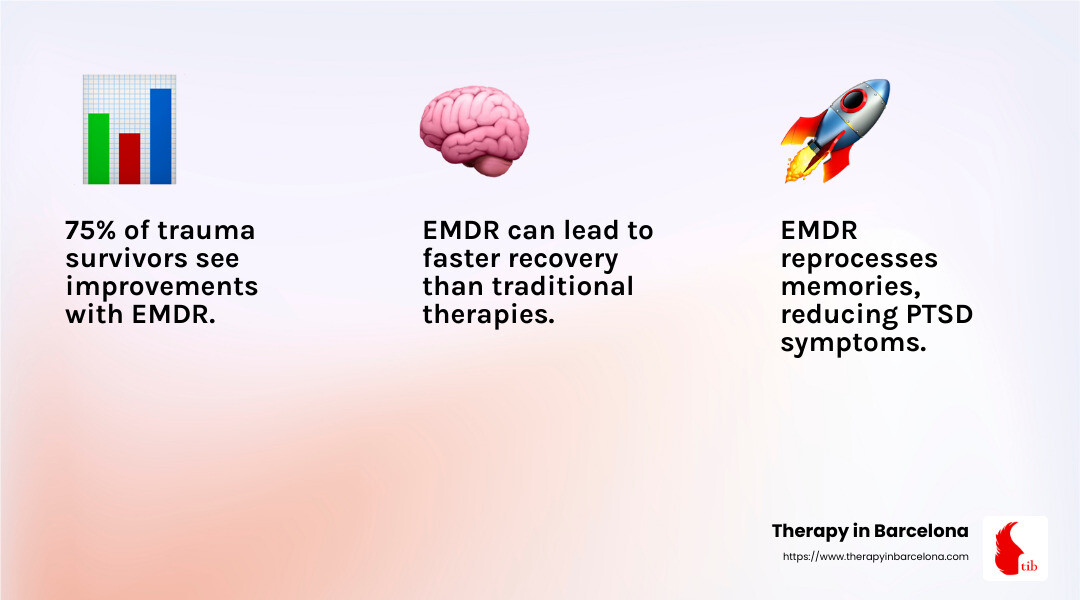
Yes, EMDR therapy is backed by research and has been shown to be effective in treating trauma-related symptoms. Controlled studies have demonstrated that EMDR can significantly reduce anxiety and improve emotional well-being in individuals with PTSD. By helping the brain reprocess traumatic memories, EMDR allows you to heal more naturally and quickly than some traditional therapies.
In summary, the path to healing from emotional trauma involves finding the right therapy and support that works for you. Whether it’s CBT, EMDR, or incorporating self-help strategies, each step you take brings you closer to recovery.
Now, let’s explore how Therapy in Barcelona can support you with personalised therapist matching and culturally sensitive care.
Conclusion
Navigating the path to recovery from emotional trauma can be challenging, especially for expatriates who face the added complexities of adapting to a new culture. At Therapy in Barcelona, they understand these unique challenges and are dedicated to providing a supportive environment custom specifically for the international community.
Personalised Therapist Matching
One of the key offerings at Therapy in Barcelona is their personalised therapist matching process. This approach ensures that each client is paired with a therapist who best fits their specific needs and goals. The team takes time to understand your unique situation through an initial consultation, which can be initiated via a free Discovery Call or filling out an intake form. This thoughtful matching process sets the foundation for a strong therapeutic alliance, which is crucial for meaningful progress and healing.
Culturally Sensitive Support
Therapy in Barcelona prides itself on providing culturally sensitive support. Their team comprises English-speaking therapists who are also expatriates, bringing first-hand experience of the challenges faced by internationals living in Barcelona. This deep understanding of the immigrant and expatriate lifestyle allows them to offer therapy that is not only effective but also empathetic and relatable. Whether you’re dealing with cultural adjustment, feelings of isolation, or other mental health concerns, the therapists at Therapy in Barcelona are equipped to help you steer these challenges with sensitivity and care.
A Guide of Support
Since its inception in 2011, Therapy in Barcelona has grown into more than just a clinic. It has become a hub of support, understanding, and growth for the international community in Barcelona. Guided by the vision of Leigh Matthews, an Australian psychologist and immigrant herself, the practice remains committed to providing high-quality mental health care customised to the needs of English-speaking internationals.
Therapy in Barcelona offers a sanctuary for those facing the unique challenges of living abroad. Their diverse therapeutic approaches, including CBT, ACT, DBT, the Gottman Method, Somatic, Mindfulness based, Integrative approaches and more, ensure that you can find a therapy style that resonates with you. The team’s commitment to excellence and continual improvement ensures that you receive the best possible care.
Starting on the journey of healing from emotional trauma can be daunting, but you don’t have to do it alone. Therapy in Barcelona is here to support you every step of the way, offering a safe and compassionate space where healing and growth can flourish.
