


Why Barcelona’s LGBTQ+ Community Needs Specialised Mental Health Support
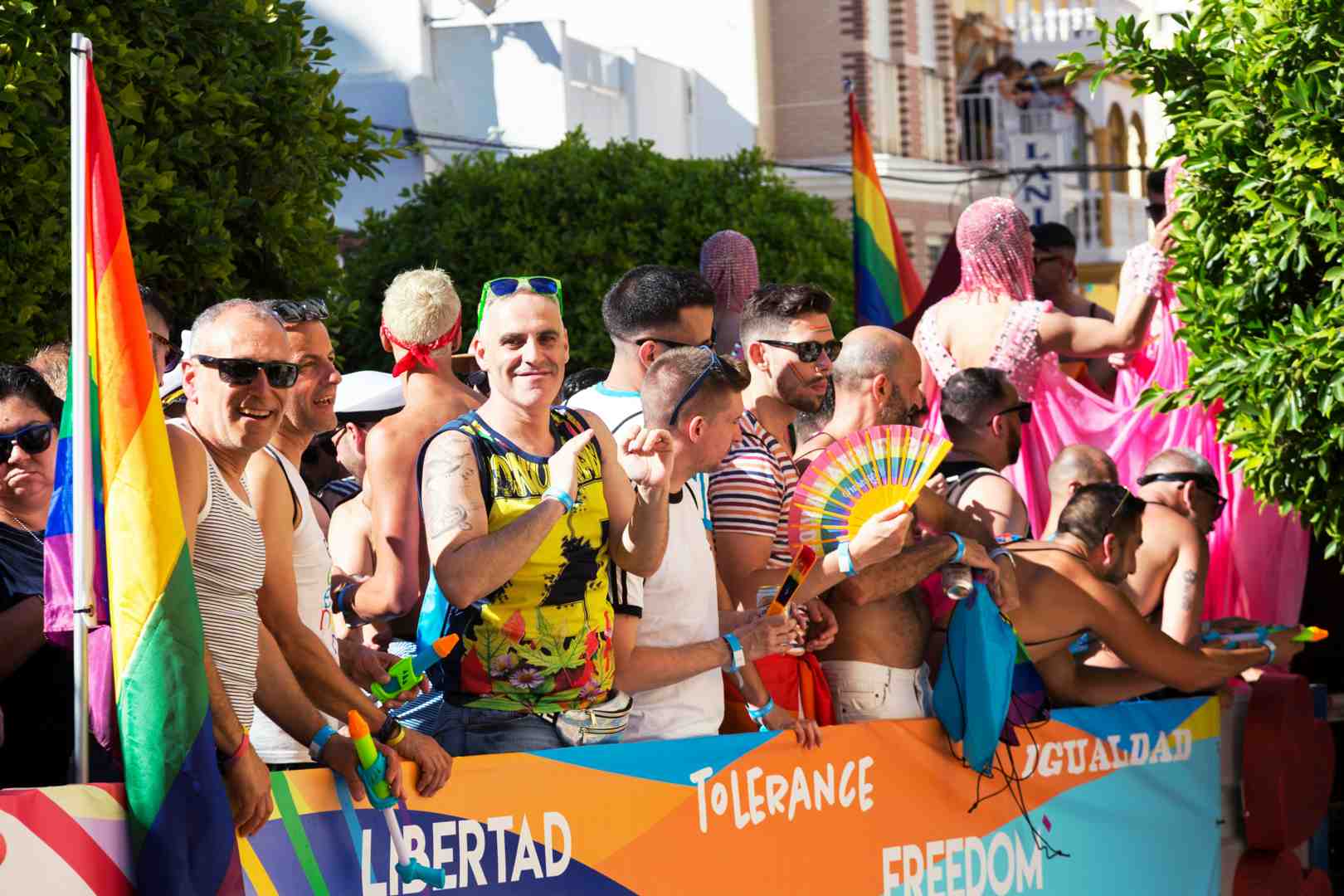
LGBTQ therapy Barcelona offers a growing network of affirming mental health services designed for the unique challenges faced by queer and trans individuals in Catalunya’s vibrant capital. Whether you’re navigating coming out, relationship issues, gender identity, or the intersection of being both LGBTQ+ and an expat, Barcelona provides multiple pathways to supportive care.
Quick Guide to LGBTQ+ Therapy Options in Barcelona:
- Individual Therapy: Specialised providers serving thousands of clients across the city
- Couples & Family Support: ROPA method counselling, intercultural relationship therapy
- Community Resources: Barcelona LGBTI Centre (free legal advice, health info, counselling)
- Languages Available: English, Spanish, Catalan, plus 10+ other languages at select centres
- Cost Range: €85-95 individual sessions, €90-115 couples therapy, plus sliding scale options
- Free Service: 15-minute discovery calls
Barcelona’s unique position as both a progressive European city and a destination for international professionals gives rise to distinct mental health needs. The city’s LGBTQ+ residents often face what researchers call “minority stress” – the chronic stress experienced by stigmatised minority groups. This stress can be amplified for expats who are simultaneously adjusting to a new culture whilst exploring their identity.
Barcelona offers an impressive range of affirming mental health services. From traditional psychotherapy practices with LGBTQ+ specialisation to community healing circles, the city’s therapeutic landscape reflects its diverse international population. Many services operate in multiple languages, with therapists who understand both the clinical aspects of LGBTQ+ mental health and the lived experience of navigating identity in a multicultural environment.
Whether you’re dealing with discrimination, bullying, coming out, internalised homophobia, or want a safe space to explore your authentic self or navigate regular life hassles, Barcelona’s mental health community is equipped to support your journey.
Why LGBTQ+ Affirmative Therapy Is Vital in Barcelona
Barcelona’s vibrant rainbow flags flutter proudly across the city, from the Gothic Quarter to the sandy beaches of Barceloneta. Yet beneath this colourful exterior, many LGBTQ+ individuals—particularly those navigating life as expats—face unique psychological challenges that require specialised support.
Understanding the Weight of Minority Stress
Living as an LGBTQ+ person anywhere in the world involves what psychologists call minority stress—the chronic psychological strain experienced by stigmatised groups. Research on minority stress shows this stress operates on multiple levels: external discrimination from society, internalised shame from growing up in heteronormative environments, and the constant vigilance required to steer potentially unsafe spaces.
For expats seeking LGBTQ therapy Barcelona services, this stress often multiplies. Imagine coming out to new colleagues who don’t share your cultural background, or trying to explain your relationship to Spanish in-laws who may hold different values. These intersecting identities—being both LGBTQ+ and foreign—create what researchers call intersectionality, where multiple aspects of identity combine to create entirely unique experiences.
Leigh Matthews, the Australian psychologist who founded Therapy in Barcelona after moving here in 2011, understands this intersection intimately. As both an expat and mental health professional, with a long history of activism, work and life in the Queer community, including a major in Gender Studies and Queer Theory, she recognises how cultural adjustment and identity exploration. These often happen simultaneously, creating a perfect storm of psychological challenges that traditional therapy approaches weren’t equipped to handle.
Barcelona’s Progressive Facade and Hidden Realities
Catalunya boasts some of Europe’s most progressive LGBTQ+ legislation. Same-sex marriage has been legal since 2005, comprehensive anti-discrimination laws protect LGBTQ+ individuals, and the ROPA method offers fertility options for lesbian couples. Yet legal protection doesn’t eliminate psychological distress.
Research consistently demonstrates that LGBTQ+ individuals experience higher rates of anxiety, depression, and suicidal ideation compared to their heterosexual, cisgender counterparts. This isn’t because being LGBTQ+ is inherently problematic—it’s because of the societal pressures, family rejection, and discrimination that often accompany minority sexual and gender identities.
The Expat Factor: Double the Challenge
Moving to any new country involves reconstructing your identity—figuring out who you are in this new cultural context. When you’re simultaneously exploring or expressing your LGBTQ+ identity, this process becomes exponentially more complex.
Consider the experience of a trans individual navigating Barcelona’s healthcare system whilst learning Spanish, or a gay man trying to understand local dating culture whilst missing his support network back home. These aren’t just logistical challenges—they’re profound psychological experiences that require culturally sensitive therapeutic support.
The international community in Barcelona often faces what feels like a double coming-out process: revealing your authentic self whilst also adapting to a new culture. This can trigger feelings of isolation, anxiety, and confusion that traditional therapy approaches—designed for people within their home cultures—simply can’t address effectively.
The need for affirmative therapy in Barcelona isn’t just about having a therapist who accepts your identity—it’s about finding someone who understands the complex interplay between sexual orientation, gender identity, cultural adjustment, and the unique stressors of building a new life in a foreign country.
Exploring Services: LGBTQ Therapy Barcelona Options
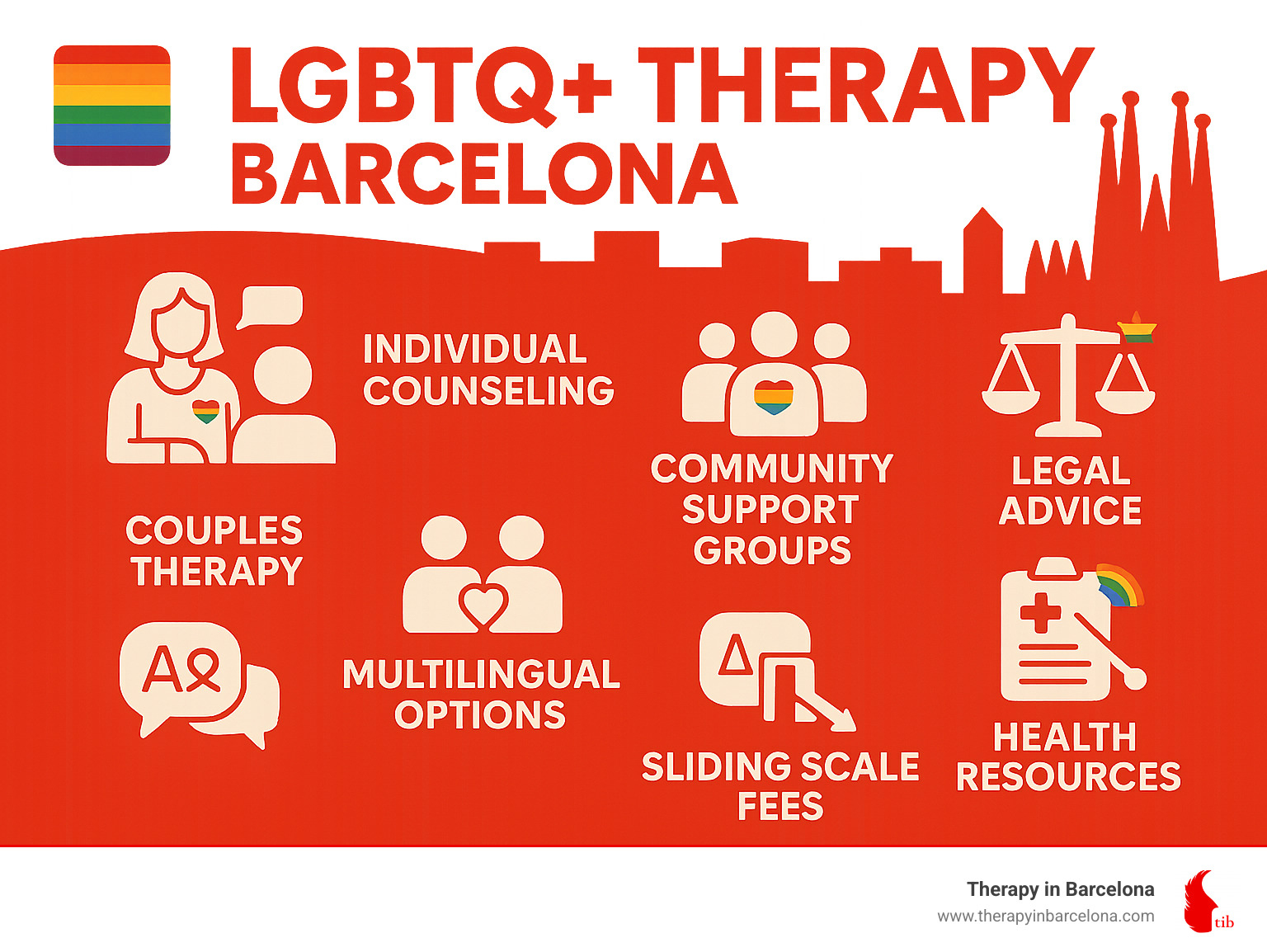
Barcelona’s mental health scene is as diverse as the city itself. Below is a streamlined look at what you’ll find when you search for LGBTQ therapy Barcelona.
The Main Service Types
- Individual sessions – one-to-one work on identity, anxiety, mood, or expat stress.
- Couples & family work – support around communication, coming-out dynamics, fertility options such as the ROPA method, and intercultural relationships.
- Group or peer circles – affordable spaces that mix community connection with therapeutic tools.
- Online or in-person care – most clinics now let you switch between video and office sessions.
What Sets Barcelona Apart
- Therapist matching – reputable clinics (for example, Therapy in Barcelona) collect details about language, identity and goals before pairing you with a clinician, rather than sending you to the first person available.
- Multilingual options – English, Spanish, Catalan and 10+ other languages mean you can express yourself in the words that feel most genuine.
- Lived experience – many therapists identify as LGBTQ+ or are expats themselves, giving them an immediate understanding of minority stress and cultural adaptation.
- Flexible formats – chat-only, audio-only, and video sessions exist for those who prefer extra anonymity.
Choosing Your Therapist
Ask yourself:
- Do they have specific LGBTQ+ affirmative training beyond general psychology?
- Can they speak my first language fluently?
- Do I want a skills-based approach (e.g., CBT) or deeper exploration (e.g., psychodynamic)?
- Would I feel safer with someone who also identifies as LGBTQ+?
Most practices offer a short free call, letting you test the chemistry before committing.
Specialised Supports
- Trans-affirming care – guidance through social or medical transition plus help navigating Spanish healthcare systems.
- Youth services – teen-friendly therapists who can liaise with families and schools.
- Fertility & parenting – counselling around the emotional side of assisted reproduction and adoption.

Community Hubs & Low-Cost Support
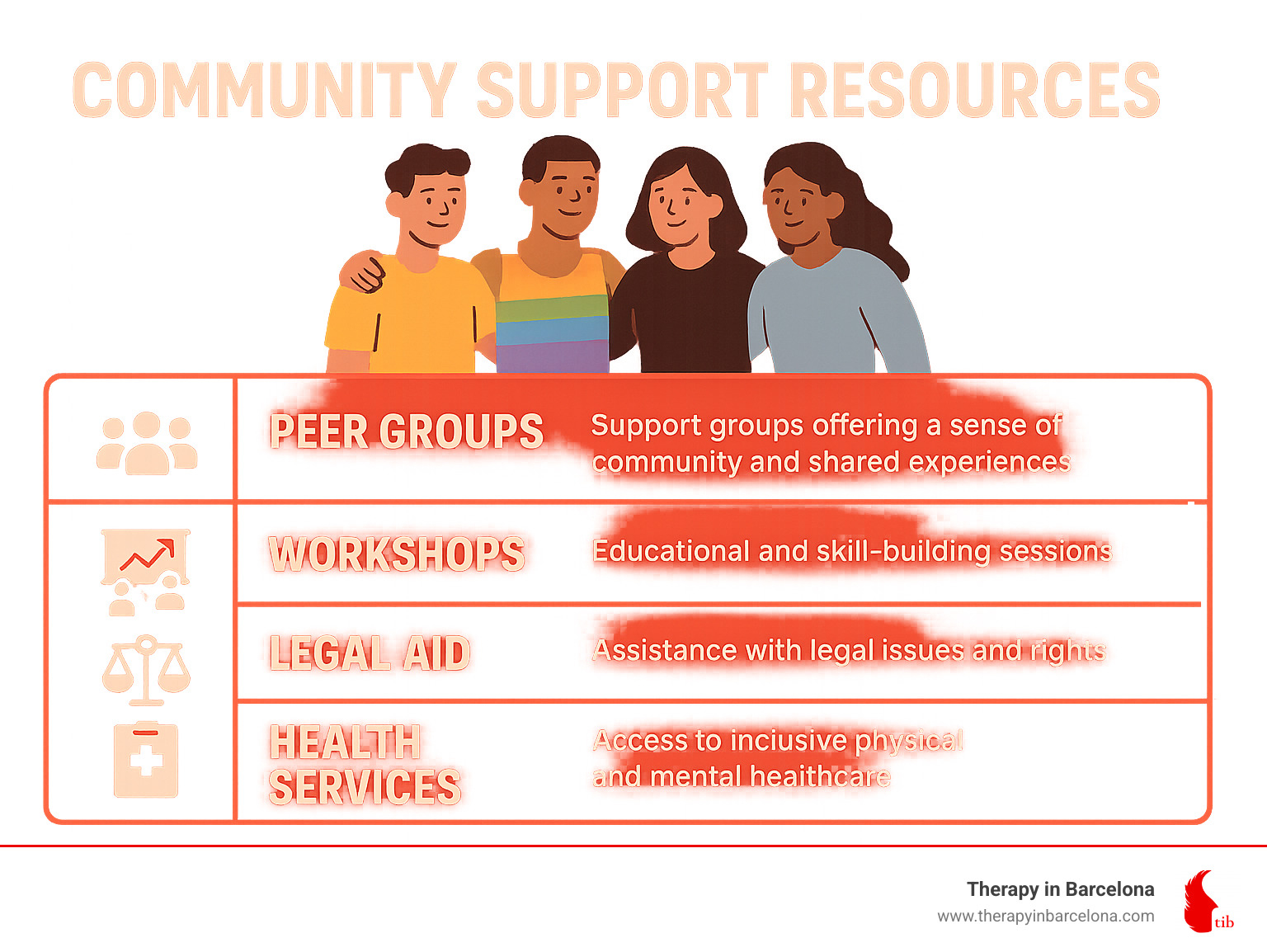
Therapy isn’t the only route to healing. Barcelona hosts an ecosystem of peer spaces, municipal services and sliding-scale clinics that keep support affordable and community-centred.
Barcelona LGBTI Centre
Located in Eixample, the Barcelona LGBTI Centre offers:
- Free individual or family counselling in several languages
- Legal aid for discrimination cases (in partnership with the Office for Non-Discrimination)
- On-site STI testing and health education
- An emergency mechanism for LGBTI-phobic violence
- Employment advice and links to municipal job programmes
Other Welcoming Spaces
- Men’s, women’s and non-binary circles – small groups that explore intimacy, masculinity, or gender expression.
- Politicised healing circles – sessions that connect personal growth with social justice work. Beyond Queer Therapy offers these circles.
- Multipurpose wellness studios – some therapy centres also rent rooms to body-workers or meditation teachers, so you can mix talk-therapy with somatic care.
Keeping It Affordable
- Free discovery calls – get an initial feel for a service with no financial risk.
- Sliding-scale slots – many therapists adjust fees according to income; ask during intake.
- Scholarships – some private practices hold a few pro bono or low-fee places for community members experiencing hardship.
For a broader list of cost-conscious resources, browse the Queer Support Barcelona section of our site.
Beginning Your Journey: First Session & Beyond
Taking that first step towards LGBTQ therapy Barcelona can feel overwhelming, especially when you’re navigating both identity questions and life in a new country. Understanding what lies ahead can transform that anxiety into anticipation for positive change.
The Intake Process
Most Barcelona LGBTQ+ therapy providers have designed their intake process with one goal in mind: ensuring you feel comfortable and understood from day one. Rather than rushing you into sessions, they take time to truly understand your unique situation.
When you first reach out—whether through an online form, phone call, or one of those helpful findy sessions—you’ll share basic information about what’s bringing you to therapy. The next step involves a more detailed assessment covering your therapeutic history, language preferences, cultural background, and specific LGBTQ+ concerns.
Based on your assessment, providers carefully match you with therapists who have the right combination of experience, training, and personal understanding. They consider factors like your specific LGBTQ+ identities and experiences, your cultural background and language needs, your preferred therapeutic approach, and practical considerations like scheduling and location.
What to Bring to Your First Session
Come with your questions. It’s completely normal to feel curious about how therapy works, what confidentiality means in practice, or how your therapist approaches LGBTQ+ issues specifically.
Share your medical history if it’s relevant, particularly any medications you’re taking or medical treatments you’re receiving. If you’re undergoing gender-affirming care, this information helps your therapist understand your full experience.
Be prepared to discuss your pronouns and identity. Quality LGBTQ+ therapists will ask about this respectfully, creating space for you to share how you identify and how you’d like to be addressed.
Bring your hopes. Whether you have specific goals like “I want to come out to my family” or broader aspirations like “I want to feel more comfortable with who I am,” sharing these hopes helps your therapist understand what success looks like for you.
Understanding Confidentiality
For LGBTQ+ individuals, confidentiality isn’t just a professional requirement—it’s often a matter of safety and comfort. Barcelona’s LGBTQ+ therapy providers take this responsibility seriously.
Everything you share in therapy remains completely private and cannot be disclosed without your explicit consent. Many providers even offer anonymous options, including chat-only sessions for those who prefer additional privacy.
Session Structure and Phases
Most LGBTQ therapy Barcelona experiences follow a natural progression. The initial phase typically spans your first four sessions, when you and your therapist are getting to know each other and building rapport. The working phase begins around session five, where the real change happens as you develop coping strategies and work towards your goals. The maintenance phase emerges as you make progress, with sessions becoming less frequent.
Success Stories from Local Clients
Take Emily, a composite representation of many expat clients who’ve found success with LGBTQ+ therapy in Barcelona. This 34-year-old professional from the UK moved to Barcelona for career opportunities but found herself struggling with isolation and questions about her sexual identity.
“I was very anxious to start therapy when I first contacted services in Barcelona,” Emily shares. “I was very glad to have found a place that offered therapy in English, as it is more comfortable and also with therapists that are also foreigners in Spain, as cultural differences may be easier to understand.”
“I think already a month or two after starting weekly sessions my family noticed a change, and are now proud of my more positive attitude and higher confidence,” Noa notes. Her story illustrates how the right therapeutic support can create positive ripple effects that extend far beyond the therapy room.

Frequently Asked Questions about LGBTQ Therapy in Barcelona
Below are concise answers to the questions we hear most often from internationals searching for LGBTQ therapy Barcelona.
Which languages can I choose from?
English, Spanish, and Catalan are standard. As of 2025, some therapists also speak French, German, Swedish, Polish, Portuguese, and Afrikaans. Ask during your discovert call.
What does therapy cost?
- Individual sessions: roughly €85 – €95
- Couples sessions: roughly €90 – €115
If these rates stretch your budget, look for sliding-scale places or municipal services such as the Barcelona LGBTI Centre, which are free.
Is my information confidential?
Yes. Ethical codes and Spanish privacy laws keep everything you share private unless there is a clear, immediate risk to life. Some services even allow pseudonyms or audio-only sessions for extra discretion.
How can I tell if a therapist is LGBTQ+-affirming?
Check for:
- Explicit mention of LGBTQ+ training on their profile
- Inclusive language (pronouns, partner-neutral wording)
- Membership in queer-friendly professional associations
- Positive reviews from LGBTQ+ clients
What if the first therapist isn’t the right fit?
It happens. Quality practices, including Therapy in Barcelona, will happily rematch you without fuss.
Can therapy help with family acceptance?
Definitely. Many therapists facilitate family sessions or coach you on navigating difficult conversations across borders and cultures.
Is online therapy as effective as in-person?
Research suggests yes for most concerns. Online sessions add privacy and convenience—especially valuable if you travel often or feel anxious about office visits.
Conclusion
Seeking help is a brave step, not a weakness. Barcelona’s rich mix of multilingual, LGBTQ+-affirming therapists and community resources means you can find support that truly understands both your identity and your expat story.
If you’re ready to start, book a free discovery call with Therapy in Barcelona and let our personalised matching process do the heavy lifting. One short conversation could lead you toward greater self-acceptance, calmer days, and deeper connection.
You deserve care that celebrates exactly who you are—rainbow, expat or immigrant roots and all.
