


Why Study Abroad Mental Health Matters More Than Ever

Study abroad mental health is a critical consideration for anyone preparing to live and learn in a foreign country. While studying overseas offers incredible opportunities for personal growth and adventure, it also brings unique psychological challenges that can catch even the most prepared students off guard.
Here’s what you need to know about managing your mental well-being abroad:
- Common challenges include: culture shock, homesickness, loneliness, academic pressure, language barriers, and social isolation
- Warning signs to watch for: changes in sleep or appetite, persistent sadness, anxiety, social withdrawal, and difficulty functioning
- Key protective factors: building a support network, maintaining self-care routines, knowing local resources, and having a mental health plan before departure
- Where to find help: university counselling services, local therapists, online support platforms, and 24/7 crisis helplines
Recent research paints a sobering picture. Nearly half of all college students report feeling persistently down in a way that affects their daily functioning, and these challenges can intensify when you add the stress of adapting to a new culture, navigating unfamiliar systems, and being far from your usual support network. Studies of international students show high rates of psychological distress—with some reporting rates between 31% and 54%—with many students experiencing difficulty sleeping, eating problems, irritability, and anxiety.
Yet here’s the encouraging part: with proper preparation and the right support, studying abroad can actually strengthen your resilience and coping skills. Students who proactively address their mental health often find that the challenges they steer abroad leave them more confident, adaptable, and self-aware. The key is recognising that taking care of your mental well-being isn’t a luxury—making the most of your time overseas.
This guide will walk you through practical strategies for managing your mental health before departure, during your time abroad, and when you return home. Whether you’re heading to Barcelona, Valencia, Madrid, or anywhere else in the world, you’ll find actionable steps to help you thrive, not just survive, your study abroad experience.
Before You Go: Setting Yourself Up for a Healthy Experience
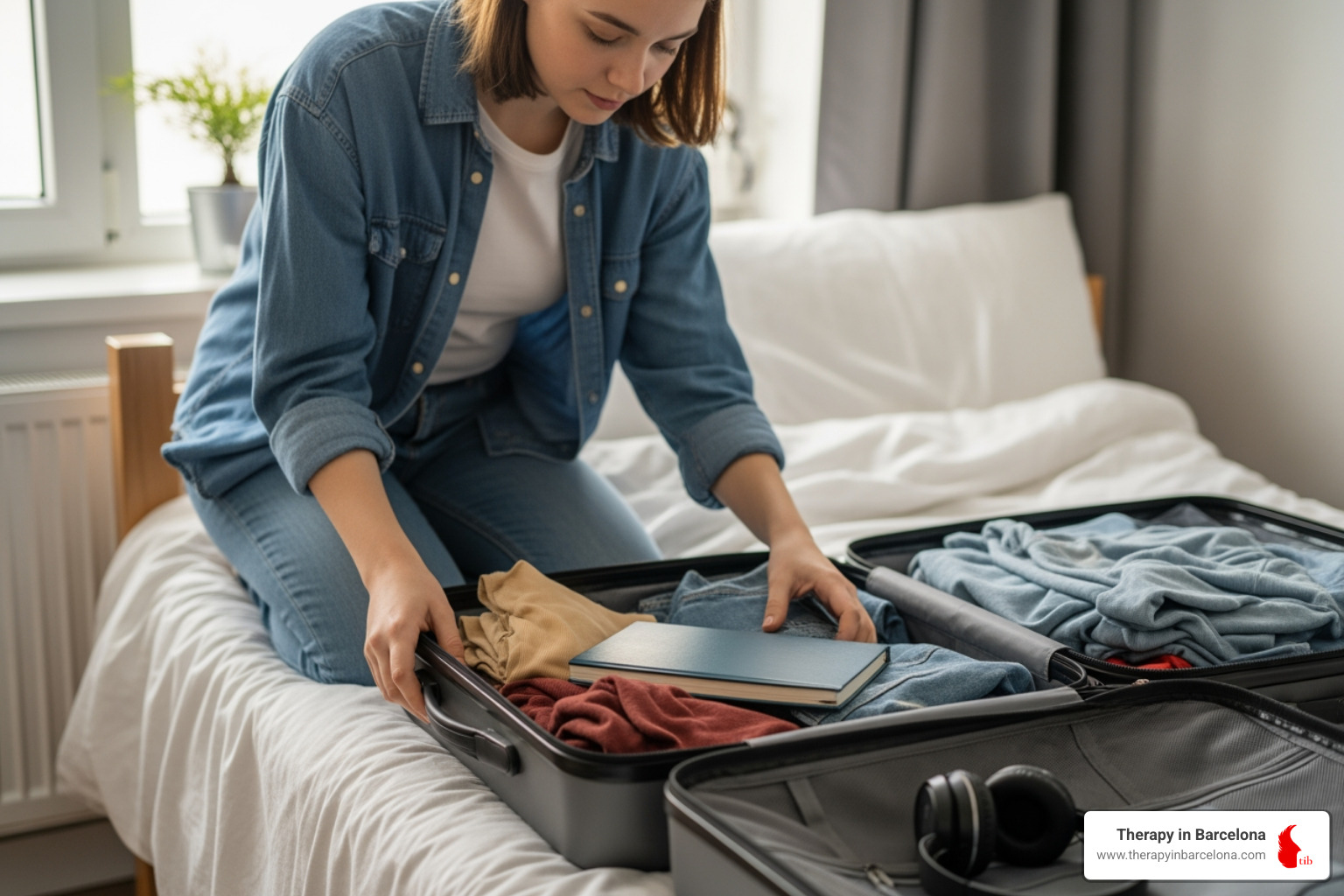
The journey to studying abroad is often filled with excitement and anticipation, but it’s also a significant life transition that can bring unique stressors. Preparing for your mental well-being before you leave is just as important as packing your bags or sorting out your visa. This proactive approach can reduce uncertainty, build confidence, and ensure you have the tools to handle any challenges that arise. Studying abroad is not an escape from your mental health; you remain the same person with the same background and potential concerns.
Research and Plan Your Support System
Before you start your adventure, take time to understand how you will access mental health resources. Consider what mental health resources you use in your home country and whether they will be accessible in your host country, be it Barcelona, Madrid, Valencia, or beyond. For instance, college counsellors are typically licensed only in their home state, which means your home university’s services might not be available to you once you’re overseas.
It’s crucial to investigate the legality of any prescribed medication in your host country and ensure your travel insurance covers mental health expenses. Many study abroad insurance policies, like the CISI policy for some students, outline how to access mental health services in-country. If you have an existing mental health condition, refer to resources like Mobility International USA for guidance on assistance and accommodations.
Disclosing your needs to your study abroad programme can be a proactive step. They might be able to provide information on local resources or accommodations. For more detailed information on navigating therapy options as an international student, you can explore resources like this guide to counselling options for international students.
Comparing Support Options
Public system clinicians These are often available in Spain through the public healthcare system. However, they may come with long wait times and potential language barriers, which can be frustrating when you’re already feeling vulnerable.
Large online platforms These platforms offer convenience and a wide selection of therapists from around the world. However, they may lack a deep understanding of the local cultural nuances you’re experiencing in Spain, and privacy policies can vary.
Local private practices Services like Therapy in Barcelona offer expat-specific, culturally sensitive care. Our team of psychology-trained therapists, whom are expats themselves, understand the unique challenges of living abroad. We offer bespoke therapist matching, strict privacy, and both online and in-person sessions in Barcelona. We also support clients across Spain, including Valencia, Madrid, Málaga, Alicante, and other cities.
Our approach All our therapists are psychology-trained and offer their services as therapists in Spain. We speak English, and some of our therapists also speak German, French, Spanish, Afrikaans, Portuguese, Austrian-German and Swiss-German. We work online with clients worldwide and offer face to face therapy sessions in our Barcelona office. We are a group practice that supports adults, couples, teens and families. Our founder, Leigh Matthews, an Australian Psychologist, in Barcelona since 2011, established Therapy in Barcelona after experiencing the need for culturally sensitive, English-speaking therapy firsthand. We are committed to high standards of professional care and tailor therapy to each person’s journey.
Develop a Personalised Mental Health Toolkit
Your mental health toolkit isn’t just for emergencies; it’s a collection of strategies and habits that support your well-being daily. Before you go, identify what activities help you unwind and consider how you can incorporate these routines into your life abroad. Can you maintain these practices while abroad?
This toolkit should include:
- Coping mechanisms: What helps you manage stress or difficult emotions? This could be listening to music, exercise, or talking to a trusted friend.
- Self-care routines: Simple daily habits like getting enough sleep, eating nutritious food, and making time for hobbies are crucial.
- Journaling: Packing a journal can be incredibly beneficial. It serves as a private space to process your thoughts and feelings, especially when navigating new experiences or feeling overwhelmed. Many students find journaling a powerful tool for self-reflection and emotional regulation.
- Mindfulness apps: These can be a great way to stay grounded and manage anxiety, providing guided meditations or breathing exercises.
- Creating a safety plan: This is a proactive step that outlines what you will do if you experience a mental health emergency. Share this plan with trusted friends, family, and your mental health provider. Knowing who to contact and what immediate actions to take provides a sense of control.
- Identifying personal triggers: Understanding what situations or feelings tend to impact your mental health can help you prepare and respond effectively. You can use self-assessment tools to gain insight into your mental well-being.
Understand and Prepare for Culture Shock
Culture shock is a common phenomenon experienced by individuals adapting to a new cultural environment. It’s not a sign of weakness or failure, but a normal adjustment process that can significantly impact your mental well-being. It can manifest as anxiety, depression, mood swings, irritability, and even physical symptoms like difficulty sleeping or eating problems.
Acculturative stress arises when adapting to new cultural and social environments, especially when facing language barriers, discrimination, and cultural isolation. Students often experience it from separation from family, friends, and familiar surroundings, as well as the difficulty of managing the transition to an unfamiliar environment.
To mitigate culture shock, learn about your host country’s customs, social norms, and language before you leave. Resources like Coping with Culture Shock (ISEP) can provide valuable insights. Setting realistic expectations is also key; understand that things will inevitably be different from home, and embracing these differences with an open mind can help you feel less out of place. Different doesn’t necessarily mean bad.
Navigating Challenges on the Ground: Your Guide to Study Abroad Mental Health
Once you’re abroad, the experience becomes more immediate, and with it, real-time challenges that can test your resilience. This phase is about putting your preparation into practice and building new coping strategies.

Recognising the Signs of a Struggle
Being aware of the signs of mental health struggles is crucial for timely intervention. While abroad, you might experience symptoms that are new or an exacerbation of existing conditions. Common indicators include:
- Changes in sleep patterns: Difficulty falling asleep, staying asleep, or sleeping too much.
- Appetite changes: Poor appetite or overeating.
- Irritability: Feeling easily annoyed or frustrated.
- Social withdrawal: Pulling away from friends or activities you once enjoyed.
- Persistent sadness or anxiety: Feelings that don’t go away or are disproportionate to the situation.
- Loss of interest: Not enjoying activities that usually bring you joy.
- Difficulty functioning: Struggling with academic tasks, daily chores, or decision-making.
Research on U.S. students studying abroad in Italy, for example, found that while few met the thresholds for a clinical diagnosis, many reported individual symptoms like difficulty sleeping, eating problems, irritability, and anxiety. Recognising these signs in yourself or your peers is the first step towards seeking help.
Managing Homesickness, Loneliness, and FOMO
Homesickness, loneliness, and the fear of missing out (FOMO) are ubiquitous among students studying abroad, especially during holidays when being away from family can weigh heavily on your mental health. The holiday season can serve as a stark reminder of the distance from loved ones and familiar celebrations, potentially leading to the holiday blues.
- Staying connected with home: While technology helps you stay in touch, it can also amplify the sense of ‘missing out’ and exacerbate these feelings of sadness. Plan communication ahead of time, considering time zone differences, and focus on sharing your experiences rather than dwelling on what you’re missing.
- Creating new traditions: Accept local traditions or create your own with new friends. This could involve trying local holiday foods, attending cultural events, or simply having a potluck with other international students.
- Connecting with other internationals: Building a local support network is vital. Seek out opportunities to make new friends, join student groups, or participate in activities. Connecting with others who are also far from home can create a strong sense of camaraderie.
- Balancing socialising and downtime: The fear of missing out (FOMO) is a common concern. However, constantly saying ‘yes’ to every social opportunity can lead to burnout. Learning to say ‘no’ when you need rest or alone time is a crucial self-care practice. Schedule dedicated ‘me-time’ for activities that help you recharge.
- For more insights on this topic, refer to From Homesick to Hopeful: Tackling Mental Health as an International Student.
The Importance of Self-Care and Routine
Maintaining a semblance of routine and prioritising self-care can provide a grounding sense of stability in an unfamiliar environment. Mental health is a continuum, and even individuals who are generally mentally healthy may lack the coping skills for the high-stress environment of studying abroad.
- Maintaining routines: Try to keep consistent sleep and eating schedules. This provides a sense of stability when other aspects of your life are constantly changing.
- Exercise: Physical activity is a powerful stress reliever and mood booster. Whether it’s joining a local gym, going for walks in a nearby park, or exploring outdoor activities in your host city like Barcelona or Valencia, staying active is beneficial.
- Healthy eating: While it’s fun to explore local cuisine, try to maintain a balanced diet.
- Hobbies: Continue with hobbies you enjoy or explore new ones. This provides a sense of continuity and a healthy distraction.
- Scheduling ‘me-time’: Actively schedule downtime into your week. This could be reading, listening to music, or simply relaxing. It’s okay to have quiet moments amidst the adventure.
- Finding ‘zen spots’: Explore your new surroundings for places that bring you peace. This could be a quiet cafe, a scenic park, or a beautiful viewpoint. These ‘zen spots’ can become your go-to places for reflection and recharging.
- Exploring solo: Don’t be afraid to go on solo adventures. This can be a powerful way to connect with yourself, build confidence, and find hidden gems in your host city.
Finding Support: Where to Turn for Help Abroad
Asking for help is a sign of strength and self-awareness, not weakness. When you’re far from home, knowing where to turn for support is essential.
University and Programme Resources
Your university and study abroad programme are your first line of support.
- Study abroad advisors and on-site staff: These individuals are specifically there to help you handle your experience. They can provide guidance, connect you with local resources, and offer a listening ear.
- Host university services: Many universities in cities like Madrid, Valencia, and Barcelona offer counselling services and support groups for international students. Inquire about these upon arrival.
- Home university support: While your home university’s counselling services may not be able to offer direct therapy due to licensing laws, they often have 24/7 crisis phone lines or can provide referrals for virtual counselling that is accessible internationally.
- Emergency contacts: Always have a list of emergency contacts, including local emergency services, your programme director, and a trusted family member or friend.
Seeking Professional Help for Study Abroad Mental Health
If you find yourself struggling with persistent mental health challenges, seeking professional help is a crucial step.
- Public system clinicians: Spain, like many countries, has a public healthcare system that includes mental health services. However, these services may involve longer wait times and could present language barriers, making immediate or culturally nuanced support difficult.
- Large online platforms: These can be convenient, offering access to therapists globally. However, they might not always provide therapists with specific local cultural expertise relevant to your experience in Spain. Additionally, data privacy and therapist licensing can vary significantly.
- Local private practices: Services like Therapy in Barcelona specialise in supporting the international community, including students, digital nomads, and expats across Spain. Our team of psychology-trained therapists, many of whom are expats themselves, offer culturally sensitive therapy in English and other languages including German, French, Spanish, Afrikaans, Portuguese, Austrian-German and Swiss-German. We are a group practice of psychology-trained therapists who work with adults, couples, teens and families. We provide online therapy worldwide and face to face sessions in our welcoming office in Barcelona’s Eixample district.
- Why Therapy in Barcelona? What sets Therapy in Barcelona apart is our bespoke therapist matching service. We don’t just assign you to the next available professional; we take the time to understand your specific needs and concerns to match you with the therapist best suited to you. This personalised approach, combined with our strict privacy policy and commitment to not selling client data, ensures a high-quality private-pay service. Some of our therapists also offer sliding scale fees for those with financial need, so do inquire about this. We are a trusted practice in Spain, established in 2011. Leigh Matthews, an Australian Psychologist, in Barcelona since 2011 and our founder, built Therapy in Barcelona from her own experience as an expat in Barcelona, ensuring our approach is deeply empathetic and effective for internationals.
Leveraging Technology and Global Resources
Technology also offers a lifeline for mental health support.
- Mindfulness apps and communication tools: As mentioned, these can help you stay grounded and connected.
- 24/7 support lines: Services like the Guard Me Student Support Program offer 24/7 support through various platforms, including an app, messenger, web chat, and voice or video calls. This accessibility is particularly beneficial for students with busy schedules and can connect you with experienced, culturally sensitive support advisors.
- Global crisis support: For immediate, free, and confidential crisis support worldwide, the International Association for Suicide Prevention (IASP) provides a directory of local helplines accessible via online chat, text, or phone.
The Journey Home: Preparing for Reverse Culture Shock
The adventure doesn’t end when you return home. Many students find that the readjustment to their home country can be surprisingly challenging, a phenomenon known as reverse culture shock. Scientific research highlights the psychological impact of this re-entry process, with some of the earliest work on the topic describing a ‘W-curve’ of adjustment and re-adjustment.
What is Reverse Culture Shock?
Reverse culture shock refers to the emotional and psychological difficulties experienced upon returning to one’s home culture after a prolonged period abroad. It’s often unexpected because you assume going home will be easy. Instead, you might feel:
- Out of place: The place you left no longer exists, and you are not the same person. You might feel disconnected from friends and family who haven’t shared your experiences.
- Frustration: Everyday routines and conversations at home might seem trivial or even irritating after your transformative experiences abroad.
- Changed perspectives: Your time abroad has likely changed your values, beliefs, and ways of looking at the world, which can create a disconnect with your previous life.
- Identity shifts: You may struggle with your identity, feeling ‘in-between’ your old self and the person you’ve become.
Strategies for a Smoother Re-entry
- Processing your experience: Journaling or talking to others who have studied abroad can help you make sense of your time overseas and articulate your changed perspectives.
- Staying connected to abroad friends: Your friends from abroad share a unique bond and can be a valuable support system as you both navigate re-entry.
- Sharing your stories wisely: Be prepared that not everyone will fully understand or want to hear every detail of your experience. Choose your audience and share selectively.
- Being patient with yourself and others: Re-entry takes time. Be kind to yourself as you readjust, and try to be understanding with friends and family who might not grasp the extent of your change.
- Integrating lessons learned: Think about how you can apply the resilience, independence, and problem-solving skills you gained abroad to your life at home.
Frequently Asked Questions about Study Abroad Mental Health
Is it a good idea to study abroad if I have a pre-existing mental health condition?
Yes, it can be a profoundly rewarding experience, even with a pre-existing mental health condition. The key is careful and thorough planning. This includes disclosing your needs to your home university and study abroad programme, working closely with your home therapist to develop a robust support plan, and researching mental health resources in your host country. Resources like Mobility International USA offer specific tips for success for students with disabilities, including mental health conditions. Many students who have dealt with past trauma or persistent low moods have successfully handled study abroad, finding it a period of immense personal growth and increased confidence.
How can I talk to my parents about my mental health struggles abroad?
Choosing a calm and private time to talk is essential. Be honest about your feelings and clearly explain the challenges you’re facing, such as culture shock, homesickness, or academic pressure. Reassure them that you are being proactive by seeking support and have a plan in place. For example, you might tell them you’ve connected with your programme advisor, found local university resources, or are considering professional help. This open communication can alleviate their worries and ensure you have their support.
What if my medication isn’t available or legal in my host country?
This is a critical concern that requires planning months in advance. Consult your doctor to discuss your medication and potential alternatives. Research the laws and regulations regarding your medication in your specific host country. Your study abroad programme or host university can often provide guidance on this. If your medication isn’t available or legal, work with your doctor to arrange for alternative treatments or prescriptions that are accessible in your host country. Never stop taking prescribed medication without consulting a healthcare professional.
Your Path to a Successful and Healthy Experience Abroad
Your time abroad is a significant opportunity for academic, cultural, and personal growth. While it can come with mental health challenges, being prepared makes a real difference. Taking the time to research support, build a personal toolkit, and understand cultural adjustment will equip you to handle difficulties with greater confidence. Remember that seeking help is a proactive step towards well-being. Make use of the support available, whether it’s through your university, local practices, or online services. Looking after your study abroad mental health is not an afterthought—it’s what allows you to make the most of this unique experience.
If you are a student in Barcelona, Valencia, Madrid, Málaga, Alicante, or elsewhere in Spain needing support, our team of expat therapists is here to help. We offer online therapy worldwide, providing culturally sensitive and personalised care.
If you’d like support, book a Free Discovery Call.
