


Why Therapeutic Would You Rather Questions Work in Mental Health Sessions

Starting therapy or opening up about tender emotions can feel intimidating. When an individual sits on a couch or logs into a video session, answering open-ended prompts like “Tell me about your childhood” can provoke immediate defensiveness.
Structured prompts can reduce cognitive load by removing the need to generate an entire conversational topic from scratch. Binary-choice formats allow clients to focus instead on selecting what feels most relevant and reflecting on the reasons behind their choice.
When emotional tension or anxiety is high, an internal filter often creates a mental block that inhibits open communication and emotional processing. Introducing structured, low-stakes questions helps lower this barrier, as manageable parameters encourage significantly richer personal expression than broad, unstructured inquiries.
By framing self-reflection through accessible dilemmas, clients experience enhanced internal agency. Rather than feeling interrogated, they are invited to explore scenarios that highlight their decision-making patterns, personal priorities, and boundaries.
Lowering the Affective Filter and Shame
Shame often thrives in secrecy and ambiguity. When people struggle with distressing feelings like jealousy, resentment, or loneliness, they often judge themselves harshly for having those emotions in the first place.
Using therapeutic would you rather questions creates an environment of psychological safety. Because the prompt already provides two pre-selected choices, choosing a vulnerable option feels far less exposing. The person realises that their internal conflict is normal enough to be written into a question.
Consider a client who worries that wanting solitude makes them cold or distant. When presented with a choice between attending a high-energy gathering or having a quiet evening alone, they can explore their introversion without shame. The structure transforms self-criticism into gentle curiosity.
Unpacking Ambivalence and Internal Ego States
Human beings are rarely of one mind about major life decisions. An international professional living in Madrid or Barcelona might desperately miss their extended family while simultaneously loving the autonomy of living in Spain. This emotional push-and-pull is a classic example of ambivalence.
Therapeutic modalities like Internal Family Systems (IFS) and Ego State Therapy suggest that our minds are composed of distinct internal “parts.” One protective part might crave absolute safety, while an adventurous part seeks growth and novelty. In individual therapy, binary prompts serve as an external stage where these competing parts can be gently acknowledged:
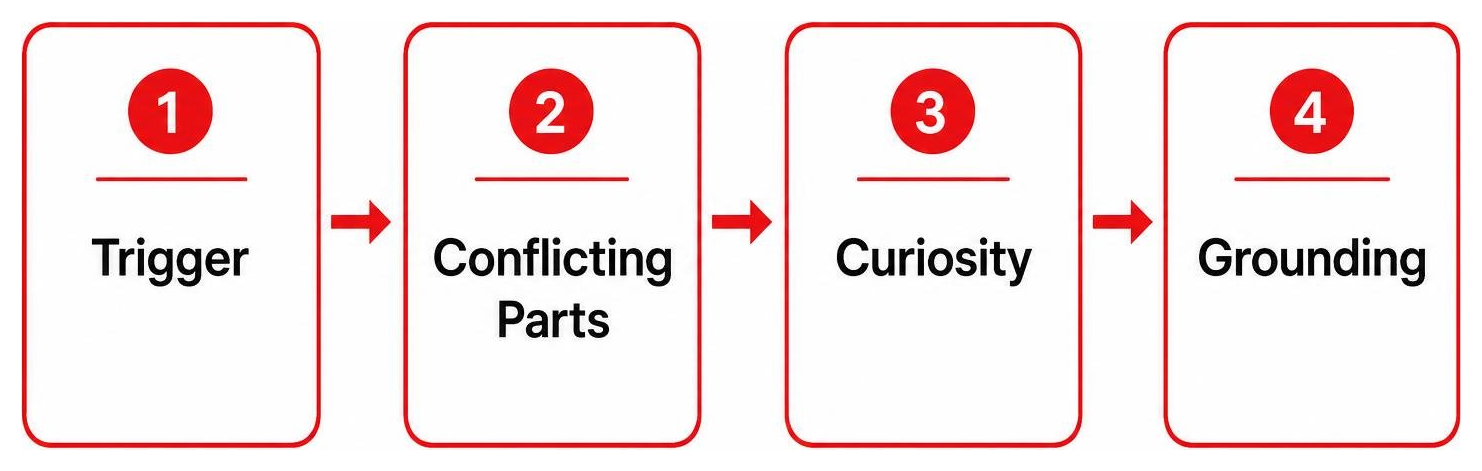
When someone feels torn between two options, a therapist can explore which part of the self spoke up for Option A and which part advocated for Option B. This process externalises the internal tug-of-war, helping the person move from feeling stuck to feeling self-aware.
Deep and Engaging Therapeutic Would You Rather Questions by Category
Different life stages and emotional struggles require different reflective lenses. Below are carefully grouped sets of therapeutic prompts designed to foster self-discovery, emotional regulation, and relational clarity.
Therapeutic Would You Rather Questions for Teens and Adolescents
Adolescence is defined by identity formation, social pressures, and the search for autonomy. In adolescent therapy, these prompts give young people a structured, non-confrontational way to discuss school stress, friendships, and family expectations.
- Would you rather always know why you are upset or just be able to calm down instantly?
- Would you rather have one fiercely loyal friend or a large group of fun acquaintances?
- Would you rather your parents give you complete privacy or ask more about how you feel?
- Would you rather be praised for being exceptionally smart or for being kind?
- Would you rather be able to pause time when you feel overwhelmed or rewind the last five minutes to fix a mistake?
- Would you rather express your deepest frustrations through writing or say them directly to someone’s face?
- Would you rather master your schoolwork with ease or master your daily emotions?
Therapeutic Would You Rather Questions for Adults Navigating Emotional Growth
Adult life brings challenges surrounding workplace burnout, emotional vulnerability, and shifting personal values. These deep reflective prompts for self-exploration help adults untangle internal expectations from authentic desires.
- Would you rather be deeply respected by your colleagues or genuinely liked by everyone?
- Would you rather have total clarity on your future direction or complete peace with your past decisions?
- Would you rather say “no” without feeling guilty or say “yes” without feeling overwhelmed?
- Would you rather know the uncomfortable truth immediately or live in peaceful uncertainty for a little while?
- Would you rather have the capacity to control your immediate reactions or control the external circumstances around you?
- Would you rather be known as someone who gives wise advice or someone who makes people feel safe and heard?
- Would you rather spend a year exploring new creative risks or building deep financial security?
Prompts for Exploring Interpersonal Relationships and Family Dynamics
Relationship patterns are heavily influenced by our early attachment styles and communication habits. Whether used in couples counselling or family therapy, these dilemmas highlight conflict resolution styles, boundaries, and emotional needs.
- Would you rather resolve every argument within five minutes or take time apart to cool down before speaking?
- Would you rather have your partner intuitively sense your mood or have the confidence to express your needs clearly?
- Would you rather be the first person to offer an apology or wait until the other person acknowledges your hurt?
- Would you rather have a difficult, honest conversation today or maintain harmony for the rest of the week?
- Would you rather receive practical solutions when you share a problem or simply have the other person listen without giving advice?
- Would you rather forgive someone quickly even if they never apologise, or hold firm boundaries until they make amends?
- Would you rather spend holidays adhering to traditional family expectations or creating entirely new traditions of your own?
Dilemmas for Managing Anger, Frustration, and Emotional Regulation
Anger is often an emotional response that masks deeper feelings of vulnerability, grief, or unmet needs. These prompts help build somatic awareness and healthy coping strategies when emotional temperatures rise.
- Would you rather take a vigorous walk to release physical tension or sit in silence with a warm drink when you are frustrated?
- Would you rather solve the practical problem that triggered your anger immediately or calm your nervous system first?
- Would you rather vent your frustration out loud to an empathetic friend or process it privately in a journal?
- Would you rather feel completely calm when you are angry or feel brave when you are frightened?
- Would you rather understand the root trigger of your frustration or learn three immediate techniques to stop an outburst?
- Would you rather confront someone the moment they cross your boundary or reflect overnight to prepare a calm response?
How to Deepen Therapeutic Insight Using the “Why” Follow-Up

A binary prompt is only the opening doorway; the real therapeutic value lies in exploring the rationale behind the pick. Once a person selects an option, a skilled clinician or curious individual asks, “What made that option feel like the right choice for you today?”
This follow-up shifts the exercise from a simple game into meaningful cognitive restructuring and values clarification.
Moving Beyond Binary Choices into Core Values
Life is rarely black and white, and therapeutic dilemmas are not meant to force rigid thinking. In fact, some of the most profound breakthroughs occur when a client rejects both options or highlights how their answer changes depending on the context.
Consider this fictional composite example representing common expat challenges: an adult living abroad was asked, “Would you rather always say what you think or never rock the boat?”
The client initially chose never rocking the boat. When their therapist asked what made that feel safer, they connected it to a childhood role as the family peacemaker. Exploring the “why” helped them recognise that while silence had once felt protective, it was now contributing to significant workplace burnout.
By examining the reasoning behind a choice, individuals can:
- Identify core values (e.g., peace, integrity, autonomy, connection).
- Notice outdated survival strategies that no longer serve their adult life.
- Practise cognitive flexibility by imagining what choosing the opposite option might feel like.
Adapting Prompts for Individual, Group, and Online Sessions
These reflective questions adapt well across diverse therapeutic settings:
- Individual Sessions: Clinicians can weave a prompt into the first five minutes of a session to gently check in on emotional weather without overwhelming the client.
- Group Work: Dilemmas can be used as interactive exercises where members move to opposite sides of a room (or use digital polls) to discuss differing viewpoints, fostering mutual empathy and group cohesion.
- Online Therapy: In digital sessions, therapists can share prompts visually on the screen or send them via chat. This offers an engaging, tactile element that enriches online therapy for internationals accessing care from remote hubs across Spain or abroad.
Therapeutic Approaches: Choosing What Fits Your Needs
When seeking mental health care, understanding the differences between available platforms and private practices helps ensure you find the right level of support.
Comparing Mental Health Support Options
Public Healthcare Systems
- Focus: Essential medical and psychiatric care within national healthcare networks.
- Strengths: Low-cost or publicly funded access for residents.
- Considerations: Often involves long waiting lists, brief consultations, and limited availability of English-speaking or culturally specialised practitioners.
Large Online Aggregators
- Focus: High-volume, app-based therapy platforms offering rapid digital matching.
- Strengths: Convenient scheduling through mobile apps with broad clinician directories.
- Considerations: Variable matching quality, potential corporate data privacy concerns, and high therapist turnover.
Therapy in Barcelona
- Focus: Personalised, private-pay therapy tailored specifically for the international and expat community.
- Strengths: Bespoke human-led matching by experienced psychologists, deep cultural understanding of expat transitions, strict confidentiality with no data selling, and multilingual support in English and several European languages.
- Considerations: Operates as a private-pay service; some practitioners offer sliding scale arrangements based on financial circumstances.
Clinical Considerations, Nuance, and Safe Boundaries
While interactive prompts are valuable tools for self-discovery, they are not universal solutions. Mental health professionals maintain careful pacing and clinical boundaries when introducing these exercises:
- Avoid Emotional Flooding: Prompts that touch on sensitive dynamics (such as family loyalty or betrayal) must be paced gently to prevent overwhelming the client’s nervous system.
- Respect the Middle Ground: Clinicians should never force a client to defend a binary choice if they feel genuinely neutral or conflicted. The resistance itself is valuable clinical material.
- Trauma Sensitivity: If a prompt triggers memories of trauma or severe distress, the clinician should pause the structured exercise and focus on grounding, somatic regulation, and emotional safety.
Crisis Support Note: Therapeutic prompts are designed for self-reflection and personal growth, not emergency crisis management. If you or someone you know is experiencing overwhelming emotional distress, thoughts of self-harm, or an acute mental health crisis, please reach out immediately to your local emergency services (112 in Spain and the EU, 999 in the UK, 988 in the USA/Canada) or contact a local 24/7 crisis support helpline.
Frequently Asked Questions About Therapy Dilemmas
How do therapeutic would-you-rather prompts differ from casual party games?
Casual party games are designed for entertainment, shock value, or quick laughs. In contrast, therapeutic prompts are structured to encourage emotional exploration, uncover internal values, and safely examine personal boundaries under the guidance of a trained professional or thoughtful self-reflection.
Can binary-choice questions oversimplify complex emotional experiences?
If left without discussion, binary choices can feel restrictive. However, in a clinical setting, the prompt is simply a conversational springboard. Therapists encourage clients to deconstruct the choices, explore grey areas, and explain the nuanced feelings behind their decision.
How can therapists integrate these prompts into modalities like CBT or ACT?
In Cognitive Behavioural Therapy (CBT), prompts help identify automatic cognitive patterns and assumptions. In Acceptance and Commitment Therapy (ACT), they serve as effective exercises for values clarification and cognitive defusion, helping individuals distinguish between temporary emotional impulses and deeply held life values.
Finding Meaning in the Choices You Make
Engaging with thoughtful dilemmas offers a playful, low-pressure path toward deeper self-awareness. Whether you are navigating personal identity, setting boundaries in relationships, or adapting to life in a new culture, exploring why you make certain choices helps bring clarity to how you live.
Therapy in Barcelona is a trusted psychology practice in Spain established since 2011. Founded by Leigh Matthews—an Australian Psychologist and is highly experienced in supporting internationals—the practice provides dedicated mental health care tailored to the expat experience.
With psychology-trained therapists working across various evidence-based modalities, Therapy in Barcelona offers face-to-face sessions at its central Barcelona office, as well as online therapy sessions worldwide, including the USA and Canada. Sessions are primarily conducted in English, with services also available in German, French, Spanish, Afrikaans, Portuguese, Austrian-German, and Swiss-German.
If you’d like support, book a Free Discovery Call to get matched with a therapist who understands your journey.
