


Why Finding the Right Therapy and Counselling Support Matters

When you’re searching for therapy and counselling near me, you’re taking a crucial step towards better mental health and wellbeing. Whether you’re dealing with anxiety, depression, relationship challenges, or simply feeling overwhelmed by life’s pressures, professional support can make a profound difference.
Quick ways to find therapy and counselling near you:
- Use online directories like Psychology Today with postcode filters
- Search therapist platforms offering free matching consultations
- Check with your GP for local mental health referrals
- Explore online therapy options for flexible, accessible support
- Contact helplines for free resources
- Ask in expat communities for English-speaking therapist recommendations
The journey to find the right therapist can feel daunting, especially when you’re already struggling. As one client shared: “I can actually see progress in my mental health which is something I haven’t been able to say in 15 years.” This highlights just how transformative the right therapeutic relationship can be.
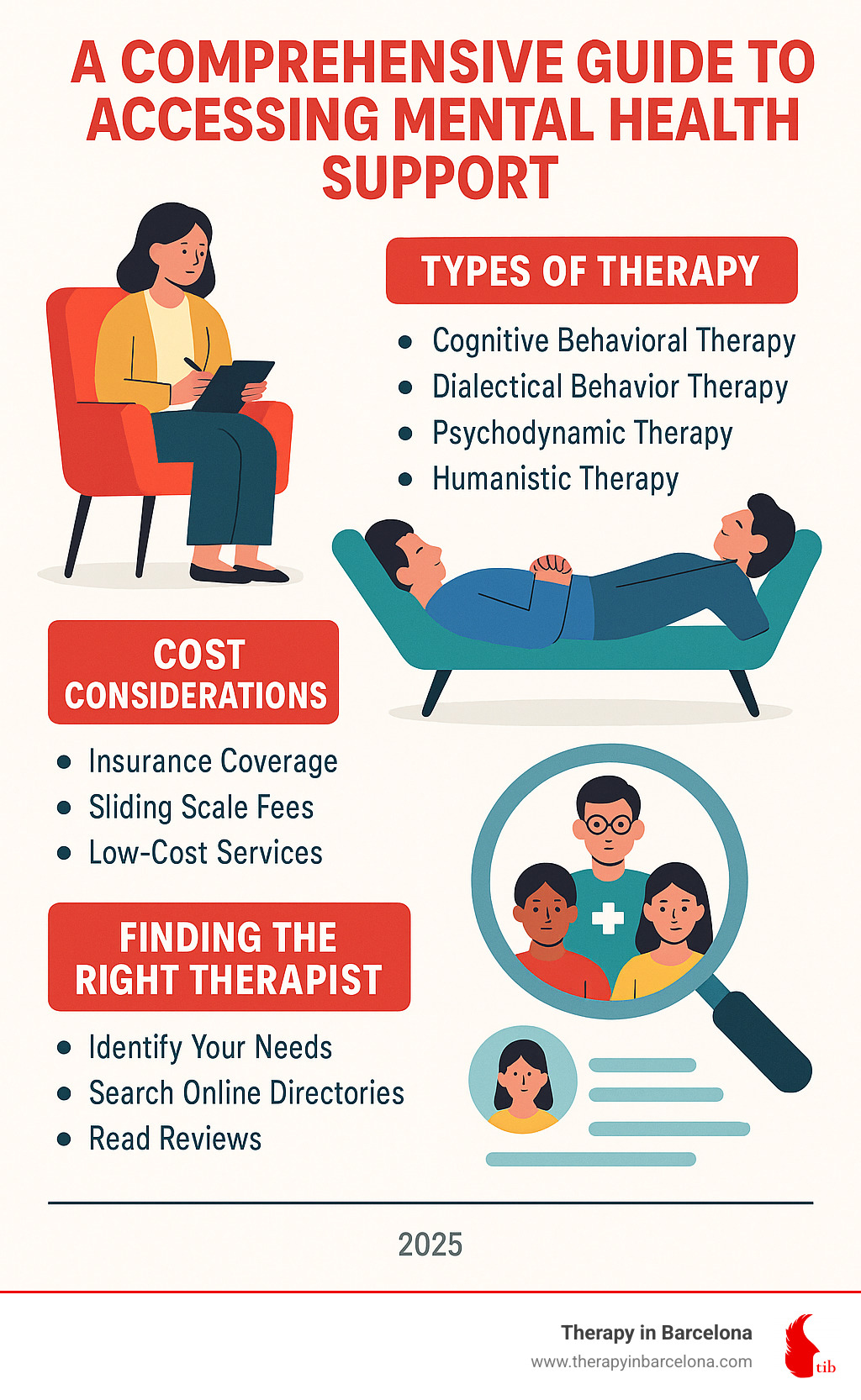
Modern therapy goes far beyond traditional talk therapy. Today’s mental health professionals offer everything from cognitive behavioural therapy (CBT) and trauma-focused approaches to mindfulness-based interventions. Many therapists now provide both in-person and online sessions, making support more accessible than ever.
For internationals living abroad, finding culturally sensitive therapy becomes even more important. The challenges of cultural adaptation, language barriers, and feeling disconnected from home can amplify existing mental health concerns. That’s why many expats specifically seek therapists who understand the unique pressures of living between cultures.
1. Understand What Therapy & Counselling Can Do for You
When you search for therapy and counselling near me, you are not just looking for someone to talk to. You are investing in a confidential space that promotes growth, resilience, and clearer self-understanding.
Modern therapy views wellbeing holistically: mind, emotions, body, and nervous system all matter. Evidence-based approaches help with everyday concerns such as:
- Anxiety and worry
- Persistent low mood or lack of motivation
- Trauma memories that still feel raw
- Relationship conflict or loneliness
- Self-esteem and identity questions
- Burnout or major life transitions
For expats, therapy also offers intercultural understanding—a chance to process culture shock, homesickness, and identity shifts with someone who “gets it”.
Therapy versus counselling: clearing up the jargon
The words are often used interchangeably. In practice:
- Counselling: usually short-term, focused on a specific issue (e.g., grief, work stress).
- Therapy / psychotherapy: can go deeper or be longer term, exploring underlying patterns.
What matters most is a qualified professional and a good fit.
When is the right time to start?
You do not have to hit crisis point. Seek help when you notice:
- Big life changes—moving country, starting a new job, becoming a parent
- Burnout signs—exhaustion, cynicism, feeling “on edge”
- Ongoing low mood or loss of enjoyment
- Spikes of grief or homesickness that linger
- A sense of isolation despite being surrounded by people
If any of these resonate, therapy can offer skills, insight, and support before problems snowball.
2. How to Find Therapy and Counselling Near Me
Typing “therapy and counselling near me” into a search engine is a useful start, but combining several strategies yields better matches—especially if you want someone who understands international life.
Digital therapist directories now let you filter by location, language, specialty, and approach. Some even run short questionnaires then suggest a shortlist of clinicians who match your answers.
Quick ways to locate “therapy and counselling near me” today
- Google Maps for instant local options with reviews and contact details
- Professional directories (e.g., Psychology Today) to filter by postcode, modality, and languages
- Expat community forums or Facebook groups for first-hand recommendations
Digital platforms offering support worldwide
Video-based services make therapy possible wherever you live. Time-zone flexibility means you can keep working with a therapist from your home country or find someone who speaks your first language. Many online clients appreciate extras such as between-session messaging or digital worksheets. Research shows online therapy can be as effective as in-person care for many concerns.
For a step-by-step guide, see our article on finding the right therapist near you.
3. Explore the Formats & Approaches That Suit You

Therapy is not one-size-fits-all. Think of it like choosing a restaurant: the best option is the one that suits your taste, budget, and goals.
Individual, Couples, Family, Group—what’s different?
- Individual therapy: private space for personal goals and self-exploration.
- Couples therapy: improves communication and connection between partners.
- Family therapy: addresses patterns that involve several family members.
- Group therapy: lower cost, peer support, and a sense of “I’m not the only one”.
Popular evidence-based modalities
- CBT – spot and reframe unhelpful thoughts.
- ACT – build psychological flexibility and live by your values.
- IFS – understand the different “parts” of your inner system.
- EMDR – process traumatic memories more safely.
- Mindfulness-based approaches – train present-moment awareness and emotional regulation.
Many therapists blend methods to create a plan that fits you.
4. Check Qualifications, Credentials & Cultural Fit

Credentials ensure competence; cultural fit ensures comfort. Look for:
- A master’s or doctoral degree in psychology, counselling, or social work
- Ongoing supervision or professional development
For expats, add two more filters:
- Language fluency (ideally your first language)
- Understanding of international or cross-cultural issues
Questions to ask during a findy call
- What are your qualifications and training background?
- How much experience do you have with concerns like mine?
- Which therapeutic approaches do you use and why?
- What are your fees, cancellation policy, and payment options? Can you help with insurance paperwork?
- How do you handle crises between sessions?
A good therapist will welcome these questions and answer clearly.
5. Compare Costs, Insurance & Low-Cost Options
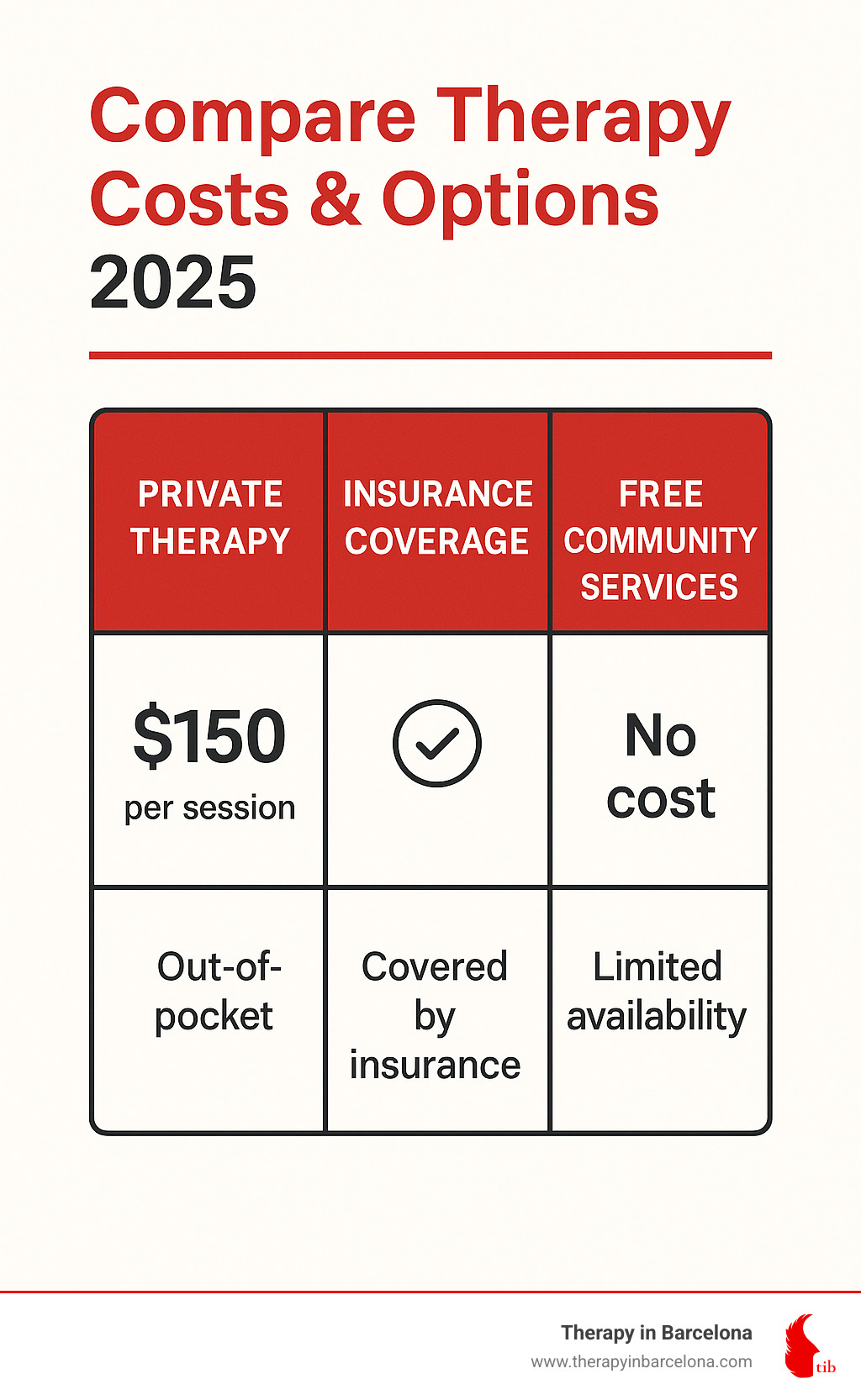
When you’re searching for therapy and counselling near me, understanding the financial landscape helps you make informed decisions about your mental health investment. Therapy costs vary significantly based on location, therapist experience, and session format, but knowing your options can make quality support more accessible than you might think.
The good news is that many extended medical benefit plans cover psychology and counselling services. Some clinics offer direct billing, making it easier to access covered services without the stress of upfront payment. Specialised programmes may also support therapy costs for specific situations like workplace injuries.
Making therapy affordable
Direct billing and insurance coverage can transform how you access therapy. Many therapists in the USA work directly with insurance providers, meaning you pay only your co-pay or deductible rather than the full session fee upfront. This removes the financial barrier that often prevents people from starting therapy when they need it most. However, in Europe this is not as common.
Free consultation calls have become increasingly common, with many practices offering 15-20 minute discovery conversations to help determine fit before you commit financially. These discovery calls protect both your time and money, ensuring you’re matched with someone who truly understands your needs.
Sliding scale fees based on income provide another pathway to affordable care. Community mental health centres often champion this approach, recognising that mental health support shouldn’t be a luxury reserved for those with higher incomes.
Group therapy sessions typically cost less per person than individual therapy while still providing professional guidance and peer support. This format can be particularly powerful for issues like anxiety, depression, or expat adjustment challenges where connecting with others facing similar struggles adds unique value.
Community resources offer valuable support at little to no cost. Community mental health centres, support groups, and helplines provide immediate assistance. Online self-help programmes and university training clinics with supervised student therapists extend affordable options further.
Many employers offer Employee Assistance Programmes (EAPs), providing confidential counselling services with several free sessions per year. These programmes recognise that supporting employee mental health benefits everyone involved.
The key is exploring all your options rather than assuming therapy is financially out of reach. Many people find that between insurance coverage, sliding scales, and community resources, quality mental health support is more accessible than they initially believed.
6. Make the Most of Your First Session & Track Progress

Your first meeting sets the tone for everything that follows. Expect three main tasks:
- Assessment – sharing current challenges and relevant history
- Goal-setting – agreeing on what “better” looks like for you
- Logistics – frequency, fees, and any homework between sessions
Preparing helps
Take a few notes beforehand: What brings you to therapy? What changes do you hope to see? Any previous strategies that did (or did not) help?
Tracking change
Progress is rarely linear. Signs therapy is working include:
- More self-awareness and kinder self-talk
- Improved coping with stress or uncertainty
- Stronger or calmer relationships
- Reduced intensity or frequency of difficult feelings
If you feel stuck after several sessions, raise it with your therapist. Sometimes a tweak in approach—or a different therapist—open ups movement.
Remember: showing up consistently is already an act of self-care.
Frequently Asked Questions about Therapy & Counseling Near You
What should I expect during my first session?
Walking into your first therapy session can feel nerve-wracking, but knowing what to expect can help ease those butterflies. Your therapist will spend most of this initial meeting getting to know you and understanding what brought you to seek support. They’ll ask about your current challenges, any relevant background that might be helpful, and what you’re hoping to achieve through therapy.
This isn’t an interrogation—it’s more like a thoughtful conversation where you’re the expert on your own experience. Your therapist might ask about your support systems, what you’ve tried before, and how your concerns are affecting your daily life. They’ll also explain their approach and what you can expect from working together.
Most first sessions last 45-60 minutes and typically end with a discussion about next steps. You might leave with some initial insights, a sense of your therapist’s style, and perhaps a homework assignment or something to reflect on before your next meeting. This session is as much about you getting a feel for your therapist as it is about them understanding your needs.
Are online sessions as confidential as in-person?
Absolutely. Reputable online therapy platforms use encrypted, HIPAA-compliant technology to ensure your privacy is protected. The same confidentiality standards that apply to in-person therapy extend to virtual sessions—your therapist is bound by the same ethical and legal requirements regardless of whether you’re meeting face-to-face or through a screen.
However, it’s worth verifying that any platform you’re considering meets professional standards for privacy and security. Look for platforms that use end-to-end encryption and have clear privacy policies. Your therapist will discuss confidentiality limits during your first session, including the rare circumstances where they might need to break confidentiality, such as mandatory reporting requirements.
The beauty of online therapy is that you can access support from the comfort of your own space while maintaining the same level of professional confidentiality you’d expect from traditional therapy.
How soon will I notice benefits?
This is probably the most common question people ask when starting their therapy and counseling near me search, and it’s completely understandable—when you’re struggling, you want to know there’s light at the end of the tunnel.
The timeline for noticing benefits varies greatly depending on your specific concerns, goals, and how actively you engage with the process. Some people feel a sense of relief just from having someone truly listen and understand their experience—this can happen as early as your first session. Others notice small shifts in their thinking or coping within a few weeks.
Research suggests that most people begin to see meaningful benefits within 6-8 sessions, with continued improvement over time. However, this isn’t a hard rule. Some clients experience breakthrough moments early on, while others need several months to see significant changes. Complex issues like trauma or long-standing patterns often require more time to address.
What’s important to remember is that therapy is a process, not a quick fix. As one client shared: “I can actually see progress in my mental health which is something I haven’t been able to say in 15 years.” The journey might have ups and downs, but with the right therapist and your commitment to the process, positive change is absolutely possible.
Your therapist will help you track progress and adjust your approach if needed. If you’re not seeing the changes you’d hoped for after several sessions, don’t hesitate to discuss this openly—sometimes small adjustments to your therapeutic approach can make a significant difference.
Conclusion
Finding the right therapy and counseling near me is one of the most important investments you can make in your mental health and overall wellbeing. It’s a journey that requires patience, self-advocacy, and sometimes a bit of courage—but the change it can bring is genuinely life-changing.
As one of our clients beautifully expressed: “My time with my therapist has changed my life. I was literally saved from darkness and despair that was slowly consuming my soul.” This isn’t just testimonial language—it’s the reality of what happens when you find the right therapeutic support at the right time.
The path to finding your ideal therapist might feel overwhelming at first, especially when you’re already struggling. But remember, seeking therapy is actually a sign of strength and self-awareness, not weakness. You’re recognising that you deserve support, and that’s a powerful first step.
Whether you choose in-person sessions in your local community or online therapy for greater flexibility, the most crucial factor is finding a qualified professional who truly understands your unique situation and cultural context. For internationals and expats, this understanding becomes even more vital—the challenges of living between cultures, adapting to new environments, and maintaining connections to home require therapists who genuinely grasp the expat experience.
The good news is that mental health support has never been more accessible. From sophisticated online matching platforms to community mental health centres offering sliding scale fees, there are options for every budget and preference. The key is being persistent and advocating for what you need.
At Therapy in Barcelona, we’ve built our entire practice around understanding these unique challenges because we’ve lived them ourselves. Since 2011, we’ve been providing personalised, culturally sensitive support to the international community, recognising that effective therapy goes beyond language—it requires deep cultural understanding and empathy.
Our team of qualified, English-speaking therapists doesn’t just work with expats; we are expats. We understand the isolation of navigating healthcare systems in a foreign language, the complexity of maintaining relationships across time zones, and the unique grief that comes with choosing to build a life far from home.
If you’re ready to take that next step in your mental health journey, we’re here to help you find the right therapeutic match. Your wellbeing matters, and with the right support, positive change isn’t just possible—it’s probable.
More info about finding the right therapist match for your needs
