


Bridging Worlds: Understanding Cross-Cultural Marriage Counseling

Cross-cultural marriage counseling is specialized therapy designed to help couples from different cultural backgrounds steer their unique relationship challenges. If you’re searching for information about this type of counseling, here’s what you need to know:
- Definition: Therapy that addresses cultural differences in marriage including communication styles, values, traditions, and family expectations
- When to seek it: When cultural misunderstandings become repetitive conflicts, when feeling cultural isolation, or when struggling with in-law relationships
- Key benefits: Improved communication across language barriers, development of shared values, and creation of a unique “third culture” in your relationship
- What to expect: Cultural genograms, communication exercises, and strategies for navigating holidays, parenting, and extended family dynamics
Cross-cultural marriages are on the rise not just globally, but also here in Barcelona and across Catalonia. According to data from the Statistical Institute of Catalonia (IDESCAT), around 22% of marriages registered in Catalonia in recent years have been between partners of different nationalities. In Barcelona, the percentage is even higher, reflecting the city’s vibrant international community. This growing trend highlights how love in our region often bridges cultures, languages, and traditions.
When two people from different cultural backgrounds come together, they bring not just their individual personalities but entire worldviews shaped by their upbringing. As one client at Therapy in Barcelona described it: “I thought, ‘I’m not racist, so it won’t be an issue,’ only to find cultural baggage runs much deeper than I ever imagined.”
These differences can create both extraordinary richness and unique challenges. While celebrating each other’s festivals and traditions can bring joy and expand horizons, miscommunications about everything from money management to parenting styles can strain even the strongest relationships.
Cross-cultural marriage counseling provides a safe, neutral space where couples can:
- Explore how cultural background shapes expectations and communication styles
- Learn techniques to bridge language and non-verbal communication gaps
- Steer differences in family obligations, religious practices, and gender roles
- Create a shared vision that honors both cultural identities
- Develop strategies for raising bicultural children
For expatriate couples in Barcelona, these challenges often intensify as one or both partners may also be coping with the broader stresses of living abroad – homesickness, career transitions, and building new social networks far from family support systems.
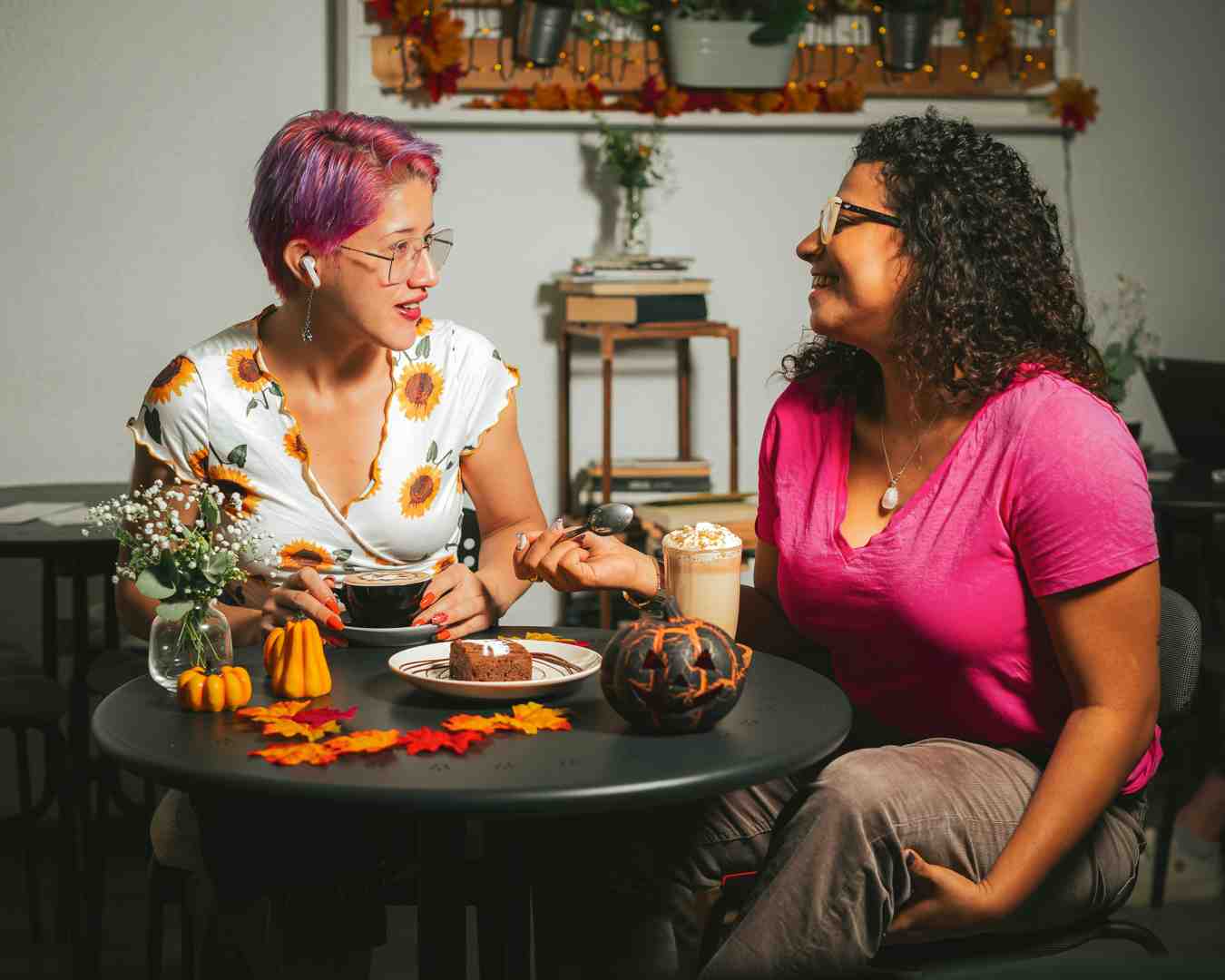
What Is Cross-Cultural Marriage Counseling?
Cross-cultural marriage counseling is a specialized form of therapy that creates a safe haven for couples from different backgrounds to thrive together. Unlike standard couples therapy, this approach places culture at the heart of treatment, recognizing how deeply our cultural roots shape everything from how we communicate to how we envision family life.
When two people from different worlds come together in marriage, they bring not just their individual personalities but entire cultural frameworks that influence their expectations about love, money, parenting, and more. As Leigh Matthews, an Australian psychologist and founder of Therapy in Barcelona who lives in an intercultural marriage with her Catalan partner since moving to Barcelona in 2011, says: “Culture is largely invisible until we step outside it. Most of us don’t realise how deeply our cultural background shapes our beliefs, values, and behaviours until we’re in a relationship with someone from a different background.”
The demand for cross-cultural marriage counseling is rising in Spain as well. According to Spain’s National Statistics Institute (INE), nearly 15% of marriages registered in Spain in 2022 were between partners of different nationalities. This reflects a growing trend as Spain becomes more multicultural, with more couples facing the joys and challenges of merging diverse cultural backgrounds.
At Therapy in Barcelona, our approach to cross-cultural marriage counseling is particularly meaningful for the international community we serve. Many of our clients are balancing not only cultural differences within their relationship but also the challenges of building a life together in a country that may be foreign to one or both partners.
Through this specialized counseling, couples can:
- Find how cultural differences affect their relationship dynamics
- Build practical skills to steer these differences with respect and understanding
- Create their unique “third culture” that honors both backgrounds
- Develop resilience against external pressures and prejudices
- Design a shared future that thoughtfully integrates aspects of both cultural identities
Communication Breakdowns & Cross-Cultural Marriage Counseling Solutions
The most common hurdle in cross-cultural relationships is often communication—not just what we say, but how we say it. These challenges typically surface in several ways:
Language Barriers When partners have different mother tongues, even everyday conversations can become minefields of misunderstanding. One partner might miss humor, emotional nuances, or subtle meanings in the other’s speech. As one of our clients shared: “When we argue in English, I feel at a disadvantage because I can’t express my feelings as precisely as I could in my native language.”

In cross-cultural marriage counseling, we address these language gaps by encouraging couples to:
- Learn basic phrases in each other’s languages as a gesture of love and commitment
- Use translation apps during complex or emotionally charged discussions
- Develop non-verbal signals that transcend language barriers
- Create space for the non-native speaker to express themselves without time pressure
Unique Challenges & Hidden Strengths in Intercultural Marriages
When two people from different cultural backgrounds fall in love, they create something beautiful and complex. At Therapy in Barcelona, we’ve seen how cross-cultural marriage counseling helps couples steer this unique terrain that combines both special challenges and remarkable strengths.
Key Challenges
Family expectations often create the first ripples in cross-cultural relationships. A Spanish-American couple we worked with in Barcelona shared their experience: “His parents expected to have input on our housing choice and visited without calling first. In my American culture, this felt intrusive, but for him, it was normal family closeness.”
This difference in family involvement isn’t unusual—some cultures accept collective decision-making and multi-generational living, while others prize the independence of the nuclear family. Neither approach is wrong, but the mismatch can create tension.
Religious and spiritual differences add another layer of complexity. When partners practice different faiths, everyday decisions become more complicated—from wedding ceremonies to holiday celebrations, from raising children to dietary restrictions. These differences touch the deepest parts of identity and belonging.
Gender roles vary dramatically across cultures too. Your background shapes expectations about who works, who manages money, who handles household duties, and who makes important decisions. What feels “normal” to one partner might feel restrictive or confusing to the other.
Parenting approaches often reveal cultural differences that weren’t apparent before children arrived. One partner might value independence and self-expression, while the other prioritizes respect for authority and family harmony. These differences can emerge in approaches to discipline, education, and even language choice in the home.
Hidden Strengths
Despite these challenges—or perhaps because of them—intercultural marriages often develop remarkable resilience and richness.
Broader worldviews come naturally when you live with someone who sees the world differently. Partners in cross-cultural marriages develop greater cultural intelligence and flexibility in thinking, seeing problems from multiple perspectives.
The necessity of bridging cultural differences leads to improved communication skills. As one client told us: “We can’t take anything for granted in our relationship. We have to talk about everything from how we’ll celebrate holidays to how we’ll raise our children. It’s more work, but it’s made our relationship deeper and more intentional.”
Children raised in intercultural families enjoy a rich cultural heritage, often becoming multilingual, developing greater cultural adaptability, and gaining a strong sense of global citizenship. They steer different cultural contexts with ease and appreciate diversity from an early age.

Intercultural couples also enjoy built-in travel opportunities to visit family abroad, deeper cultural immersion when traveling, expanded social networks across countries, and the joy of celebrating more holidays and traditions throughout the year.
How Cross-Cultural Marriage Counseling Works: Models, Competence & Session Flow
When you’re considering cross-cultural marriage counseling, understanding how it works can help ease any apprehension. At Therapy in Barcelona, we use several evidence-based approaches specifically adapted for intercultural relationships.
Effective Therapeutic Models
Emotionally Focused Therapy (EFT) has proven particularly valuable for cross-cultural couples. This approach helps you and your partner identify negative patterns and transform them into secure bonds. What makes EFT especially powerful in intercultural relationships is its focus on underlying emotional needs that exist regardless of cultural background. Your therapist will help you see how your cultural upbringing influences how you express emotions and build attachment, creating a safe haven that buffers against external cultural pressures.
The systemic approach looks at your relationship within your broader family and cultural systems. This is crucial because intercultural marriages don’t exist in isolation – they’re influenced by extended family relationships, cultural communities, and social networks. Your therapist will help you steer the complex power dynamics that can arise from cultural differences and manage competing loyalties to family and spouse.
With narrative therapy, you and your partner can explore and reshape the stories you tell about your cultural differences—like “we’ll never fit in” or “our families are too different.” A therapist helps you build new, shared narratives that celebrate both backgrounds and highlight how your differences can be a source of strength.
The Gottman Method brings practical tools for improving communication and managing conflict, focusing on building trust and understanding even when cultural values clash.
Imago Couples Therapy helps you both uncover how your unique upbringings shape your reactions and expectations, turning cultural friction into opportunities for deeper empathy and connection.
Cultural Competence in Therapy
Finding a therapist with genuine cultural competence is essential for successful cross-cultural marriage counseling. At Therapy in Barcelona, our therapists bring a special understanding to this work.
“Our therapists are expats themselves,” explains Leigh Matthews, founder of Therapy in Barcelona. “This gives them understanding of cross-cultural relationships and the challenges of navigating life in a foreign country.”
Culturally competent therapists practice ongoing self-awareness, recognizing their own cultural biases and assumptions. They remain conscious of power dynamics related to culture and avoid imposing their cultural values on clients.
While no therapist can be an expert in every culture, those skilled in cross-cultural marriage counseling have broad knowledge of cultural differences in relationships and are eager to learn about your specific cultural background. They understand how migration and acculturation affect relationships and recognize the impact of historical factors on your cultural identity.
Practical Strategies for Couples: Building a ‘Third Culture’ Together
Creating a successful intercultural relationship goes beyond simply managing conflicts – it’s about actively building something beautiful together. At Therapy in Barcelona, we often talk about developing a “third culture” in your relationship – a unique blend that honors both backgrounds while creating something entirely new and shared.
Creating Shared Rituals
There’s something powerful about creating rituals that belong just to the two of you. These special practices help build a shared identity that transcends your individual cultural backgrounds.
Consider developing morning or evening routines that incorporate elements from both cultures – perhaps combining Spanish coffee with your partner’s traditional breakfast foods. Many couples find joy in creating anniversary celebrations that honor how they met across cultural boundaries, or establishing weekly traditions like Sunday meals that blend your favorite dishes from home.
“We created our own New Year tradition,” shared one Therapy in Barcelona client. “We eat twelve grapes at midnight like they do in Spain, but we also write resolutions and burn them like in my partner’s country. It’s become something uniquely ours – neither fully Spanish nor fully from my culture, but perfectly us.”
Alternating Cultural Celebrations
Rather than choosing between cultural traditions (and potentially disappointing one side of the family), many successful intercultural couples adopt an alternating approach. Consider a holiday rotation where you spend Christmas with one family and New Year with the other, or birthday celebrations that follow traditions from each culture in alternate years.
This approach also works beautifully for cultural festivals – fully immersing in each other’s traditional celebrations gives both partners the chance to feel “at home” and share their heritage. When planning travel, aim for a fair distribution of visits to both countries of origin, acknowledging the importance of maintaining connections to both worlds.
Setting Boundaries with Extended Family
Cultural differences in family involvement often create tension in intercultural marriages. In some cultures, family members drop by unannounced and expect to be involved in major decisions, while others prioritize the couple’s independence.
Successful couples establish clear boundaries about family visits, calls, and involvement – and they present a united front when communicating these decisions. Take time to explain cultural differences to help both families understand your choices, and create buffer zones during family visits where you can process and decompress together.

Technology Tools for Intercultural Couples
Modern technology offers valuable support for navigating cultural and language differences:
Translation apps can be lifesavers during complex conversations or family gatherings where multiple languages are spoken. Cultural calendar apps help track important holidays from both backgrounds, ensuring you don’t miss significant celebrations. Video calls maintain connections with distant family members, helping them feel included in your life despite geographic separation.
Frequently Asked Questions about Cross-Cultural Marriage Counseling
When should a cross-cultural couple seek professional help?
Every relationship faces bumps in the road, but cross-cultural marriage counseling can be particularly helpful during specific challenges that international couples face.
You might consider reaching out when cultural misunderstandings become a pattern rather than isolated incidents. Perhaps you’ve noticed the same argument about family obligations or communication styles happening repeatedly, with neither of you feeling truly understood.
Many couples also benefit from support when one partner feels culturally isolated or disconnected from their roots. This often happens during major life transitions – moving to a new country together, planning a wedding that honors both traditions, preparing for children, or navigating retirement plans that might involve different countries.
Extended family tensions are another common trigger for seeking help. When in-laws from different cultural backgrounds have conflicting expectations about your relationship, the pressure can strain even the strongest bonds.
“The best time to seek support isn’t when you’re in crisis,” notes one of our therapists at Therapy in Barcelona. “It’s when you first notice patterns of cultural misunderstanding affecting your connection. Early intervention can transform these differences from sources of conflict into sources of strength.”
How can we respect both cultures without losing ourselves?
Finding balance between honoring your cultural heritage and building something new together is at the heart of cross-cultural marriage counseling. Rather than seeing this as an either/or situation, we help couples develop strategies for cultural integration.
Start by distinguishing between core values and cultural preferences. Some aspects of your culture might be fundamental to your identity, while others might be more flexible. Being clear about which is which helps you know where compromise is possible.
Practice cultural generosity by approaching your partner’s traditions with curiosity rather than judgment. Look for opportunities to participate in and appreciate their cultural practices without feeling your identity is threatened.
What if only one partner wants counseling?
This situation is quite common in all types of relationships, not just cross-cultural ones. If you’re the partner interested in cross-cultural marriage counseling but your spouse is hesitant, there are several paths forward.
You might begin with individual sessions to gain insights and strategies that can positively influence your relationship. Many couples find that when one person starts making changes, it naturally shifts the relationship dynamic in helpful ways.
If resistance stems from cultural attitudes toward therapy, acknowledge these concerns while sharing information about modern therapeutic approaches. In some cultures, seeking help is viewed as a sign of weakness rather than strength, and this perspective deserves respect even as you work to expand it.
Sometimes sharing resources like books, articles, or podcasts about intercultural relationships can help the reluctant partner see the value of professional support. Framing therapy as an investment in your shared future rather than a response to problems can also reduce stigma.
Conclusion
When two worlds come together in marriage, something truly magical happens. Intercultural relationships offer a beautiful canvas for growth, connection, and the creation of something entirely new that transcends cultural boundaries. While these relationships face unique challenges, they also develop remarkable strengths that other couples might never experience—broader perspectives, deeper empathy, and a rich cultural heritage to share with future generations.
Cross-cultural marriage counseling provides that specialized support that intercultural couples often need when navigating these complex waters. It’s not about erasing differences but celebrating them. Through addressing communication barriers, family expectations, parenting approaches, and identity concerns, therapy helps transform potential sources of conflict into foundations for an even stronger bond.
At Therapy in Barcelona, we understand the nuances of intercultural relationships from both professional expertise and personal experience. Many of our multilingual, culturally sensitive therapists are themselves navigating intercultural relationships, which gives them a unique insight into the challenges you might be facing. We provide a safe space where couples can explore their differences without judgment, strengthen their connection, and build a shared future that honors both backgrounds.
Whether you’re just beginning your intercultural journey together, preparing for marriage, or trying to work through established patterns that no longer serve you, professional support can help you develop the skills and insights needed to thrive across cultural divides. Through cross-cultural marriage counseling, you’ll learn not just to manage differences but to truly celebrate them—creating a unique relationship culture that draws from both worlds while becoming something wonderfully new.
If you’re in an intercultural relationship and would like support navigating its unique challenges and wonderful opportunities, contact Therapy in Barcelona to learn more about our specialized services for international couples.
The richness of sharing life across cultures is truly worth the effort of building those bridges of understanding. With the right support, your intercultural relationship can become not just a meeting of two worlds, but the creation of a beautiful new one that belongs uniquely to you both.
